Post by : Saif Nasser
A new analysis by a leading research organization has revealed that the United States spent an estimated $3.7 billion during the first 100 hours of its military campaign against Iran. The figure highlights the enormous financial cost of modern warfare and raises questions about how long such operations can continue if the conflict expands.
According to a report by the Center for Strategic and International Studies (CSIS), the early stage of the war required large spending on weapons, military operations, logistics, and support systems. The think tank calculated that the cost during the first 100 hours of fighting reached about $3.7 billion, which equals roughly $891 million each day.
The military operation began after coordinated strikes by the United States and Israel targeted Iranian military sites. The campaign is part of a wider conflict that started in late February and has quickly escalated across the region.
Experts say that the cost of the operation is already very high even though the war is still in its early phase. Military campaigns require advanced equipment such as fighter jets, missiles, drones, satellites, and naval forces. Maintaining and replacing these systems can quickly add billions of dollars to the cost of a war.
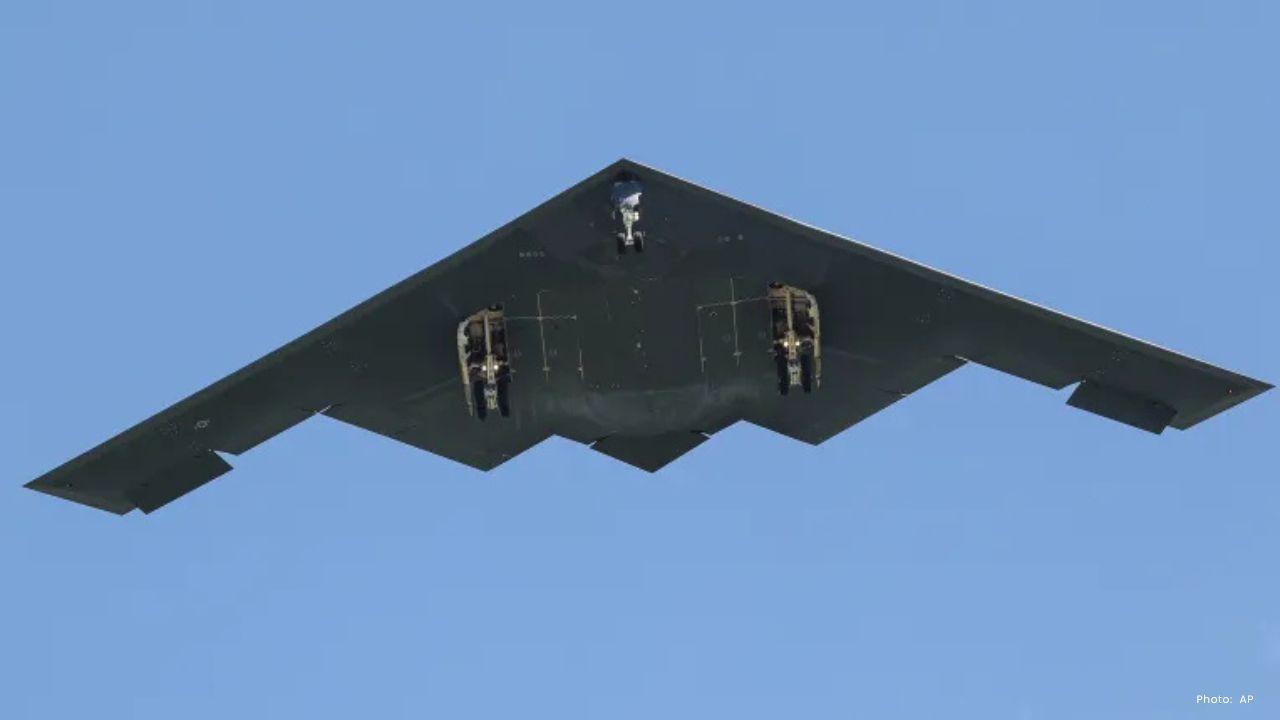
A large portion of the spending is linked to the use of precision weapons such as cruise missiles and guided bombs. These weapons are designed to hit specific targets with high accuracy, but they are also very expensive. In addition, military operations require fuel, maintenance for aircraft and ships, and support for thousands of personnel involved in the mission.
Another factor increasing the cost is the need to replace weapons that are used during attacks. Once missiles and bombs are launched, they must be replaced in military stockpiles. Analysts say rebuilding these inventories can add significantly to overall defense spending.
The think tank noted that the total cost of the war will depend on how long the conflict continues and how intense the fighting becomes. If the war lasts several weeks or months, the financial burden could grow far beyond the early estimates.
Military experts often point out that the first phase of a war can be the most expensive. Large airstrikes and major operations require high numbers of aircraft, ships, and missiles. These actions are designed to weaken enemy defenses quickly but involve heavy spending in a short period of time.
The current conflict has also involved large-scale military deployments. Reports indicate that tens of thousands of US troops, hundreds of aircraft, and naval forces have been positioned in the region to support operations and protect American bases and allies.
Beyond the direct military costs, wars often create additional economic pressure. Governments must fund medical care for injured soldiers, provide support to military families, and repair or replace damaged equipment.
Economic experts say that conflicts can also affect global markets. Rising tensions in the Middle East often lead to higher oil prices, disruptions in shipping routes, and uncertainty in financial markets. These effects can influence economies around the world.
Some analysts believe that the financial cost of the war could eventually reach tens of billions of dollars if the fighting continues for an extended period. Past conflicts in the Middle East have shown that long military operations can become extremely expensive over time.
For example, previous wars in Iraq and Afghanistan lasted many years and cost the United States trillions of dollars. While the current situation with Iran is still developing, experts warn that prolonged conflict could create similar financial pressures.
The new cost estimate is also likely to fuel political debate inside the United States. Lawmakers in Washington often examine the financial impact of military operations, especially when conflicts last longer than expected.
Supporters of the operation argue that military action is necessary to address security threats and protect allies in the region. Critics, however, warn that large spending on wars can strain government budgets and increase national debt.
The conflict with Iran has already drawn international attention, as many countries call for restraint and diplomacy. Global leaders are urging all sides to avoid further escalation and seek peaceful solutions through negotiations.
For now, the think tank’s estimate of $3.7 billion in the first 100 hours serves as a reminder of the immense financial resources required to conduct modern warfare. It also shows how quickly the cost of conflict can rise once military operations begin.
As the situation continues to evolve, analysts and policymakers around the world will closely watch both the military developments and the economic impact of the war.





DAE Achieves Remarkable Growth in Q1 2026 With Record Revenue
Dubai Aerospace Enterprise announces impressive financial results for Q1 2026, reflecting a surge in

Price Increase for Sony PS5 in Southeast Asia Effective May 1
Sony announces a price increase for the PS5 across Southeast Asia starting May 1, 2026, impacting ga

Potential ‘Super El Niño’ in 2026: Understanding the Climate Risks
Could a Super El Niño emerge in 2026? Discover its implications and potential global climate impacts

Global Energy Crisis Intensifies: Markets React to Oil Supply Challenges
Markets are on edge as oil disruptions escalate, influencing prices and economic stability. Explore

Must-See Tourist Spots in London You Can't Overlook
Explore London's essential attractions, from royal landmarks to vibrant markets, ensuring an unforge

Ultimate Guide to Snagging Cheap Flights in 2026
Unlock the secrets to booking affordable flights in 2026 with insightful tips and strategies tailore




