Post by : Saif Nasser
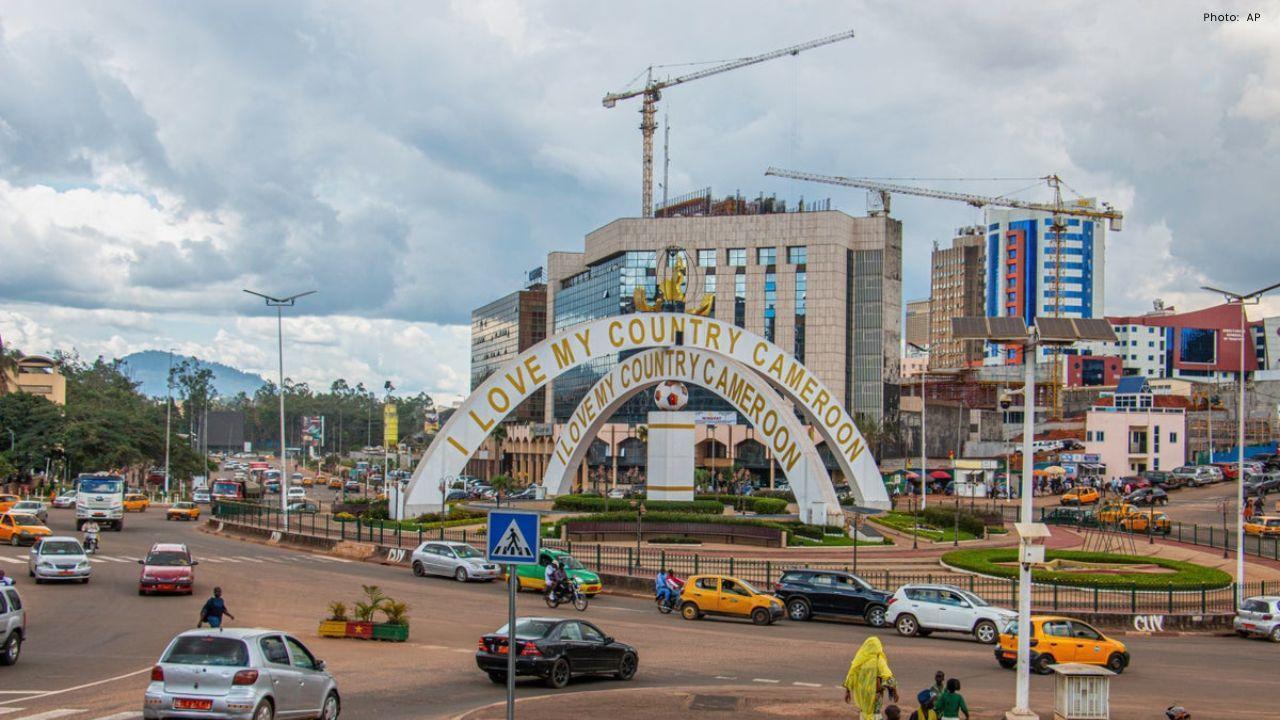
A new group of migrants from countries other than Cameroon has been deported by the United States to Cameroon, according to lawyers working with the affected people. The latest deportation flight reportedly arrived in the capital city, Yaounde, just weeks after another secretive transfer of migrants under a growing third-country deportation program. The policy allows U.S. authorities to remove migrants not to their home nations, but to other countries with which they have no direct ties.
Lawyers representing several deported migrants said they believe eight people arrived on the most recent flight. They are described as third-country nationals, meaning they are not citizens of Cameroon. Legal teams say they are still trying to meet the group and confirm identities and conditions. The same lawyers are already advising nine other migrants who were quietly deported from the United States to Cameroon last month. That earlier group included five women and four men from different African countries.
According to the attorneys, many of those previously deported had received protection orders from U.S. immigration judges. These orders blocked their return to their home countries because of fear of persecution, torture, or political retaliation. Some cases were linked to sexual orientation and political activity. Lawyers argue that sending such people to a third country may bypass the purpose of those protections. They say the practice creates a legal gap where migrants are not sent home directly but are still placed in risky situations.
A U.S. official confirmed that another deportation flight to Cameroon took place but did not provide details. The White House and the U.S. Department of State have not released full information about the agreements behind these transfers. Officials say immigration enforcement remains a top priority under President Donald Trump and that deportations are being carried out under existing law.
Reports from lawmakers in Washington say the United States has spent at least $40 million to deport around 300 migrants to third countries across Africa, Central America, and other regions. Internal planning documents show dozens more third-country agreements are being discussed or finalized. Several African countries — including South Sudan, Rwanda, Uganda, Eswatini, Ghana, and Equatorial Guinea — are reported to have accepted deportees under paid arrangements. Some deals include multi-million-dollar support packages, though not all terms have been made public.
The U.S. Department of Homeland Security has defended the policy, saying it follows court rulings and legal removal orders. The department says if a judge decides a migrant has no legal right to remain in the United States, removal must follow. Officials also argue that third-country agreements help maintain border control and national security. In some past cases, migrants deported to third countries had serious criminal convictions, though lawyers say the Cameroon groups include people with no criminal record beyond minor driving offenses.
Human rights lawyers and migrant advocates strongly disagree with the approach. They warn that deporting people to unfamiliar countries with limited oversight can expose them to detention, abuse, or forced return to the very places they were trying to escape. They also question whether deportees receive proper legal access after arrival. In similar past cases in Africa, some deported migrants have been held for months without charges and without in-person access to lawyers.
Cameroon’s government has not publicly explained the terms under which it is accepting third-country deportees. The country has faced its own human rights criticism in recent years, which adds to concern among advocacy groups. Lawyers on the ground say many deportees arrive confused and frightened, with no local support network and little understanding of what will happen next.
The wider debate is not only about immigration control but also about due process and basic safety. Supporters of the program say countries have the right to remove people who do not qualify to stay. Critics say removal must still respect court protections and human rights standards. As more deportation flights take place under third-country deals, pressure is likely to grow for greater transparency, clearer legal rules, and stronger monitoring of what happens to migrants after they are sent away.








Reopening of the Strait of Hormuz: New Regulations to Impact Global Trade
Iran reopens the strategic Strait of Hormuz with new regulations affecting oil transport and global

Top 10 Must-See Attractions in NYC for First-Time Explorers
Discover essential experiences for first-time visitors to NYC, including attractions, culture, and i

Starbucks Engages Boyu Capital for Major Chinese Expansion
Starbucks teams up with Boyu Capital, selling a majority stake to boost growth and adapt to the Chin

Three Individuals Charged in Massive Meth Trafficking Case in Malaysia
In Malaysia, a married couple and another suspect are charged with trafficking 510kg of meth, facing

Singapore Police Revisit Geylang Murder Scene with Suspect
In Geylang, police return a murder suspect to the scene of a crime involving the fatal stabbing of a