Post by : Saif Nasser
The United States military has boarded another sanctioned oil tanker in the Indian Ocean after tracking it across thousands of miles from the Caribbean Sea. The move is part of a wider campaign by Washington to stop what it calls illegal oil shipments connected to Venezuela and other sanctioned networks.
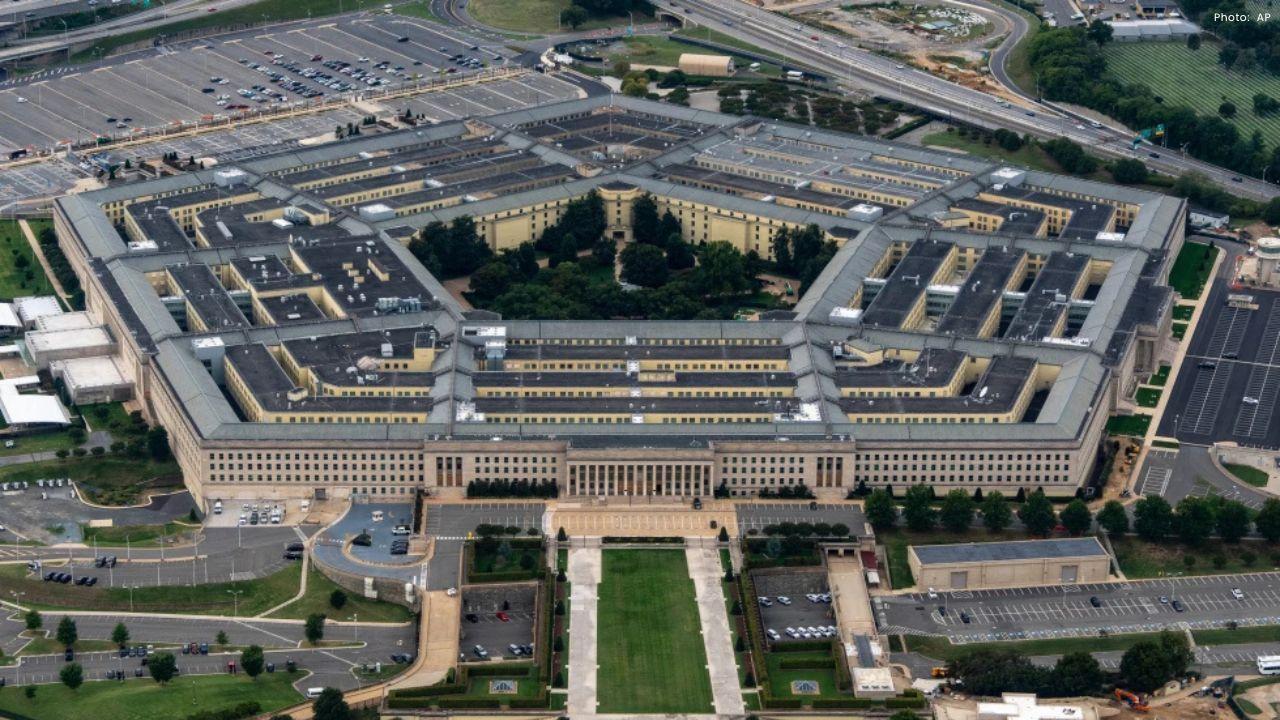
According to statements from the Pentagon, U.S. forces intercepted and boarded a vessel known as the Veronica III. Officials described the action as a lawful maritime interdiction and a right-of-visit boarding. Video released by the department showed armed personnel climbing onto the tanker at sea and taking control of the situation without reported violence.
U.S. authorities said the ship tried to avoid restrictions placed on sanctioned vessels. They said it was tracked from the Caribbean region all the way to the Indian Ocean before forces moved in. Defense officials presented the boarding as proof that long-distance monitoring and enforcement operations are active and ongoing.
The action comes after a series of similar interceptions in recent weeks. The United States has increased pressure on oil shipments linked to Venezuela following years of sanctions on the country’s energy sector. American officials argue that these sanctions are meant to block funds that could support unlawful or destabilizing activities.
Under orders first announced in December by President Donald Trump, U.S. authorities began enforcing what they called a quarantine on sanctioned tankers. The goal was to stop restricted oil cargo from entering global markets through hidden routes, false ship registrations, and ship-to-ship transfers at sea.
Venezuela had already been under heavy oil sanctions for several years. During that time, many tankers were accused of switching flags, turning off tracking systems, and changing ownership records to hide their true origin and cargo. These methods are often described as part of a “shadow fleet” used to move restricted oil.
The Veronica III has also appeared on sanctions lists connected to Iran-related trade controls. The ship had been listed by the U.S. Treasury’s Office of Foreign Assets Control, which manages and enforces American sanctions programs. Being listed means U.S. persons and companies are generally banned from doing business with the vessel.
Maritime registration records also show changes. The Panama Maritime Authority said the vessel’s registration under Panama had been canceled earlier. Removing a ship from a national registry is often a warning sign in global shipping, because it can make insurance, port entry, and legal operations more difficult.
Tracking groups that monitor oil tankers using satellite images and port data said the ship left Venezuelan waters in early January carrying a large load of crude and fuel oil. Analysts estimate the cargo was close to two million barrels. Monitoring groups also claim the vessel has previously handled cargo connected to Russian, Iranian, and Venezuelan sources.
The Pentagon did not clearly state whether the tanker has now been fully seized or only boarded for inspection and control. In earlier similar cases, some ships were held while U.S. authorities decided their legal status and final destination. That decision can involve courts, sanctions offices, and diplomatic talks.
Another tanker, the Aquila II, was boarded in the same ocean region just days earlier. That vessel is also being held while officials review what steps to take next. Defense sources say each case is handled separately based on ownership records, cargo origin, and sanctions links.
These operations raise larger questions about how far sanctions enforcement should go on the open seas. Supporters say strict action is needed to make sanctions meaningful. They argue that without active enforcement, restricted oil simply finds secret routes and continues to flow. Critics warn that repeated military boardings far from U.S. shores may increase tensions and create legal disputes over maritime authority.
Global energy markets are also watching closely. Even small disruptions in oil transport can affect prices, insurance rates, and shipping routes. When tankers are stopped or seized, cargo deliveries are delayed and contracts can be broken. That uncertainty can spread through the supply chain.
The latest boarding shows that sanctions today are enforced not only through paperwork and banking limits, but also through physical control at sea. It signals that the United States is willing to project power across long distances to back its economic restrictions with direct action.
Whether this strategy will reduce illicit oil trade in the long term remains unclear. Smuggling networks often adapt quickly. Still, the message from Washington is direct: sanctioned ships will be tracked, stopped, and investigated, no matter how far they travel.





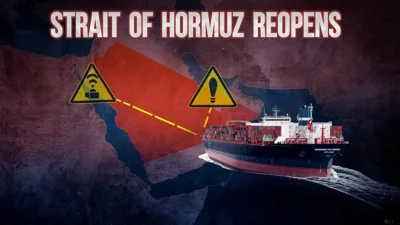
Reopening of the Strait of Hormuz: New Regulations to Impact Global Trade
Iran reopens the strategic Strait of Hormuz with new regulations affecting oil transport and global

Top 10 Must-See Attractions in NYC for First-Time Explorers
Discover essential experiences for first-time visitors to NYC, including attractions, culture, and i

Starbucks Engages Boyu Capital for Major Chinese Expansion
Starbucks teams up with Boyu Capital, selling a majority stake to boost growth and adapt to the Chin

Three Individuals Charged in Massive Meth Trafficking Case in Malaysia
In Malaysia, a married couple and another suspect are charged with trafficking 510kg of meth, facing
Singapore Police Revisit Geylang Murder Scene with Suspect
In Geylang, police return a murder suspect to the scene of a crime involving the fatal stabbing of a