Post by : Anees Nasser
Heatwaves, which were once rare occurrences, are now a concerning and consistent aspect of our climate, with temperatures that were once considered extraordinary occurring as yearly phenomena. Multiple regions are consistently breaking records, putting ecosystems, infrastructure, and human well-being at risk.
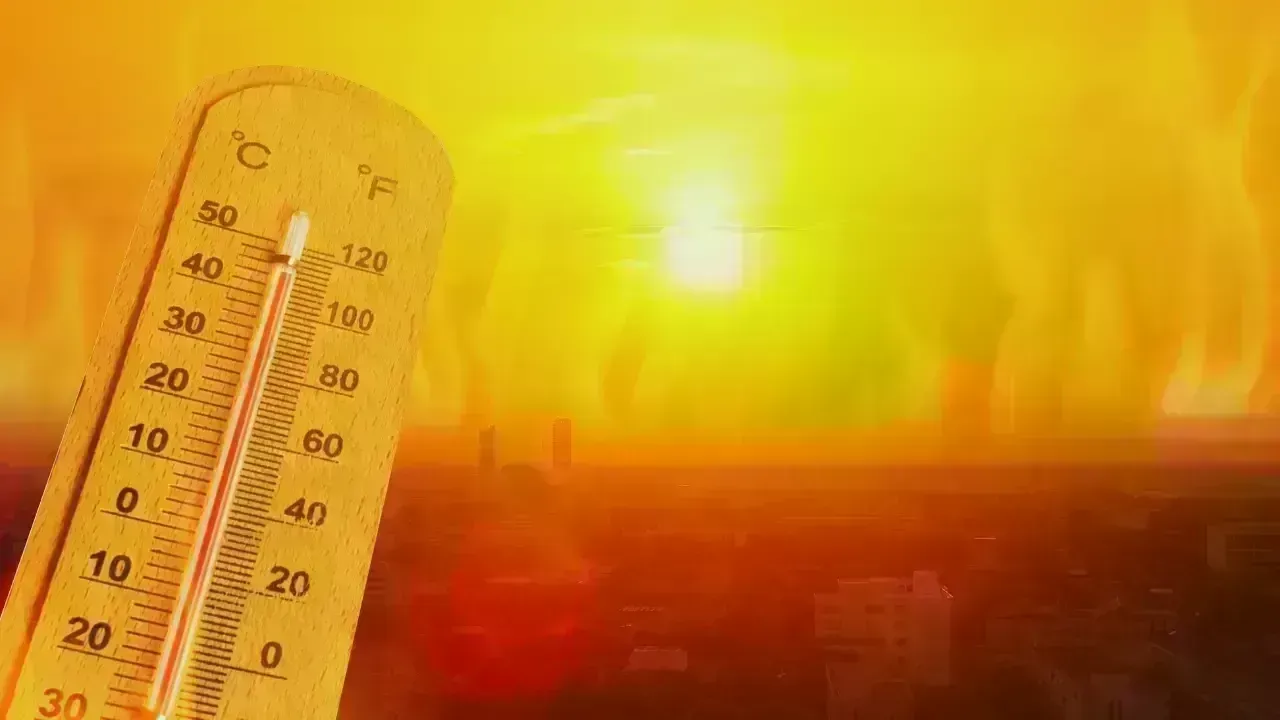
Recently, cities in Asia, Europe, Africa, the Middle East, and North America have noted unprecedented levels of heat, with readings of over 45°C in many areas and even reaching 50°C in some locations. These heatwaves are not only becoming more frequent but are also lasting longer, intensifying in their hazardous nature compared to those from previous decades.
Experts in science, policy, and climate predict that unless significant actions are implemented, the frequency and severity of these heat events will only increase. This article delves into the driving forces behind this surge, the scientific basis for extreme heat, the dire implications for human societies and economies, and the urgent calls for adaptation and resilience.
A heatwave represents a prolonged duration of excessively warm weather compared to a region's typical climate. The specifics tend to differ by location but generally encompass:
Intensely high temperatures during the day
Elevated temperatures at night
Lasting for several days or weeks
Often acutely dry or humid conditions
These heatwaves significantly disturb natural systems and amplify ecological and societal stress.
Many locations are now experiencing uncomfortably warm nights during heatwaves. The lack of cooler nighttime temperatures exacerbates the risk of heat-related health issues as the human body struggles to recuperate.
The increasing concentration of carbon dioxide, methane, and other greenhouse gases traps heat within the atmosphere, preventing the escape of solar radiation. This phenomenon leads to a gradual uplift in global temperatures, known as global warming.
Consequences of this situation encompass:
Proliferation of severe heat events
Extended durations of heatwaves
Record-breaking temperatures becoming standard
While a 1°C uptick may appear marginal, it considerably impacts the planet. This increase substantially raises the probability of heatwaves, shifting baseline temperatures and allowing extreme heat to manifest more easily.
Urban regions tend to retain considerably more heat compared to their rural counterparts due to:
Paved roads
Concrete structures
Air conditioning units expelling heated air
Limited vegetation
Crowded infrastructures
This scenario creates an ‘urban heat island’ effect, leading to substantially higher temperatures in urban centers than in their surrounding areas.
Tall buildings trap heat and restrict airflow, extending the heatwave's impact in city environments.
The jet stream—a swift air current—plays a pivotal role in influencing weather conditions. Climate change is disrupting its stability, leading to stagnant weather systems. Such stagnation allows heatwaves to linger, intensifying their severity.
Persistent high-pressure zones, known as 'heat domes,' trap warm air underneath, driving the occurrence of extreme and lasting heatwaves.
Forests naturally help to lower temperatures thanks to:
Providing shade
Facilitating evapotranspiration
Releasing moisture
The extensive loss of forests diminishes natural cooling effects and speeds up heating.
Transforming greenery into farmland or industrial spaces eliminates nature's inherent temperature mitigation systems.
Natural water bodies cool their surroundings; however, the ongoing drought and excessive drawdown are amplifying heat events.
Low soil moisture further escalates temperatures, as arid soil warms faster than its moist counterparts.
El Niño patterns impact global weather systems, frequently resulting in:
Escalated temperatures
Periods of drought
Weaker monsoon outcomes
More robust and frequent El Niño cycles intensify heatwaves across numerous areas.
Countries such as India, Pakistan, and China are grappling with astonishing summer heat records, leading to agricultural damage, water shortages, and health crises.
European regions have experienced temperatures surpassing 40°C, resulting in thousands of fatalities.
Western regions of the United States and Canada are currently facing unprecedented temperatures due to 'heat domes.'
These areas often witness temperatures exceeding 45°C, exacerbating desertification and water scarcity challenges.
Extreme heat can trigger:
Heat cramps
Severe dehydration
Heat exhaustion
Potentially fatal heatstroke if not addressed
Children, the elderly, outdoor workers, pregnant individuals, and those with chronic health conditions face greater health risks.
Extreme temperatures heighten:
Heart attack occurrences
Difficulty in breathing
Asthma exacerbations
Respiratory diseases
Pollution levels rise during heatwaves, compounding these health issues.
Severe heat is associated with:
Increased stress levels
Heightened aggression
Sleep disturbances
Cognitive decline
Warmer nighttime temperatures contribute significantly to psychological stress.
Heatwaves result in more deaths globally each year than any other extreme weather condition, including severe floods and hurricanes.
Excess heat dries out plant life, heightening the risk for wildfires. Once ignited, these fires spread quickly, ravaging ecosystems and releasing substantial carbon emissions.
High temperatures amplify evaporation, resulting in diminished water levels in natural bodies such as lakes, rivers, and reservoirs, thus affecting both drinking supplies and agricultural irrigation.
Extreme heat diminishes soil quality, leads to lower crop yields, and disrupts farming productivity. This trend spikes global food prices.
Marine heat events lead to:
Coral die-offs
Disruption of fish migration
Reduction in ocean biodiversity
Oceans are significant absorbers of the excess heat generated by global warming.
Outdoor laborers face work-hour losses due to hazardous temperatures, adversely affecting sectors such as:
Construction
Agriculture
Transport
Industrial operations
Heatwaves prompt surges in air conditioning use, straining power grids and raising the potential for blackouts.
Hospitals experience overload during extreme heat events, leading to heightened costs and resource constraints.
Cities are adopting approaches such as:
Green rooftops
Reflective architectural materials
Planting urban forests
Restoring water bodies
Heat refuge areas
Government initiatives are focusing on:
Heatwave warning systems
Establishing cooling stations
Updating worker safety protocols
Long-term aims must include:
Easing emissions
Investing in renewable technologies
Conserving forests
Enhancing water management strategies
Maintain hydration by drinking water regularly
Use fans or take cool showers to reduce body temperature
Dress in light fabrics
Reduce outdoor engagements during the hottest parts of the day.
Regularly keep track of health alerts and emergency management notices.
Heatwaves have transformed from rare climatic anomalies to a critical and escalating threat of our era. Accelerated by global warming, urban sprawl, shifts in atmospheric circulation, and ecological degradation, the intensity and duration of these heat events are increasing with alarming frequency.
These extreme temperature occurrences are reshaping natural ecosystems, economic structures, healthcare systems, and even international relations. Without immediate interventions, we will witness a dangerous uptick in both the frequency and potency of heatwaves, posing immense risks to humanity and environmental sustainability.
Gaining clarity on the underlying causes and far-reaching impacts is essential. Moving forward requires a collective resolve—enforcing climate policies, adapting our cities, reducing greenhouse gas releases, and equipping communities for a hotter tomorrow. Heatwaves serve as a global alarm, and the time to take action is now.
This text is meant purely for informational and analytical purposes.










Anticipated Dates for UAE Eid Al Adha 2026 Unveiled by Astronomical Experts
Experts predict Eid Al Adha 2026 in the UAE to start on May 27, prompting early holiday planning amo

DAE Achieves Remarkable Growth in Q1 2026 With Record Revenue
Dubai Aerospace Enterprise announces impressive financial results for Q1 2026, reflecting a surge in

Price Increase for Sony PS5 in Southeast Asia Effective May 1
Sony announces a price increase for the PS5 across Southeast Asia starting May 1, 2026, impacting ga

Potential ‘Super El Niño’ in 2026: Understanding the Climate Risks
Could a Super El Niño emerge in 2026? Discover its implications and potential global climate impacts

Global Energy Crisis Intensifies: Markets React to Oil Supply Challenges
Markets are on edge as oil disruptions escalate, influencing prices and economic stability. Explore

Must-See Tourist Spots in London You Can't Overlook
Explore London's essential attractions, from royal landmarks to vibrant markets, ensuring an unforge




