Post by : Mina Rahman
Amidst the ongoing narrative of the India-Pakistan military engagements, China has declared its involvement as a mediator in de-escalating tensions, a claim contested by India. Chinese Foreign Minister Wang Yi remarked on Beijing's efforts not only in the India-Pakistan situation but across various global conflict zones this year.
At a significant international relations symposium in Beijing, Wang Yi underscored the rise in both internal and cross-national conflicts and affirmed China’s dedication to peace efforts by addressing both immediate and underlying causes. He noted, “Our initiatives have allowed us to engage in crucial matters, including the India-Pakistan tensions, the crisis in northern Myanmar, the Iranian nuclear discussions, the Palestine-Israel situation, and the Cambodia-Thailand disputes,” Wang Yi expressed.
However, India has repeatedly pushed back against the notion of outside mediation in its interactions with Pakistan. New Delhi asserts that the ceasefire achieved post the May 7-10 skirmishes was the outcome of direct communication between both nations' military heads. The Indian Ministry of External Affairs made it clear that the truce was concluded following a dialogue between the two military leaders on May 10, underscoring that external assistance was not involved.
China’s perceived role within this context has stirred debate, particularly regarding its military backing of Pakistan. Reports emphasize that China provides over 81% of Pakistan’s military equipment. Indian officials have alleged that China is employing the recent military operations as a strategic “live lab,” citing the ancient strategy of the “36 stratagems” to indirectly undermine India through its support for Pakistan.
Diplomatically, China called for moderation from both India and Pakistan during the height of the crisis, voicing regrets about the airstrikes launched by India while denouncing terrorism. This stance demonstrates the intricate diplomatic balance China is trying to maintain amidst its close ties to Pakistan and its relationship with India.
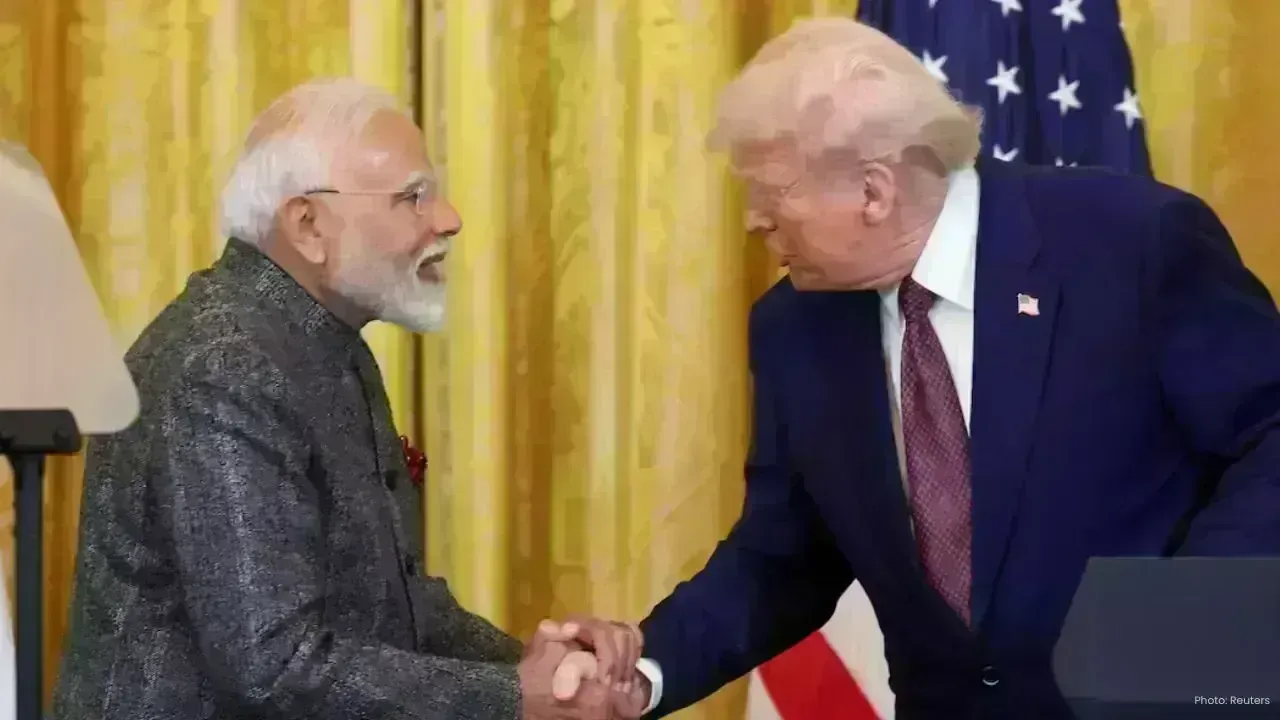
Despite existing frictions, positive advancements in Sino-Indian relations have been noted, with Wang Yi highlighting Prime Minister Narendra Modi’s invitation to the Shanghai Cooperation Organisation (SCO) summit, which facilitated fruitful discussions. He described the bilateral ties as displaying “good momentum” while reiterating ongoing efforts aimed at fostering a collective future in the region.
On a wider scale, Wang Yi also touched upon the tense relationship between China and the US, criticizing the unilateral tariffs enforced by the Trump administration that have affected international trade and economic stability. Nonetheless, he underscored the necessity for dialogue and collaborative engagement between the two global powers to positively shape the future of world history.




Mattel Revives Masters of the Universe Action Figures Ahead of Film Launch
Mattel is reintroducing Masters of the Universe figures in line with its upcoming film, tapping into

China Executes 11 Members of Criminal Clan Linked to Myanmar Scam
China has executed 11 criminals associated with the Ming family, known for major scams and human tra
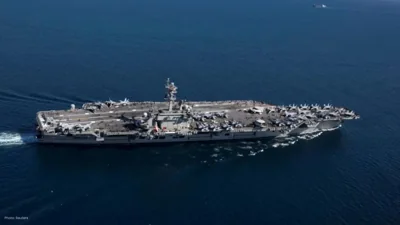
US Issues Alarm to Iran as Military Forces Deploy in Gulf Region
With a significant military presence in the Gulf, Trump urges Iran to negotiate a nuclear deal or fa

Copper Prices Reach Unprecedented Highs Amid Geopolitical Turmoil
Copper prices soar to all-time highs as geopolitical tensions and a weakening dollar boost investor

New Zealand Secures First Win Against India, Triumph by 50 Runs
New Zealand won the 4th T20I against India by 50 runs in Vizag. Despite Dube's impressive 65, India