Post by : Bianca Suleiman
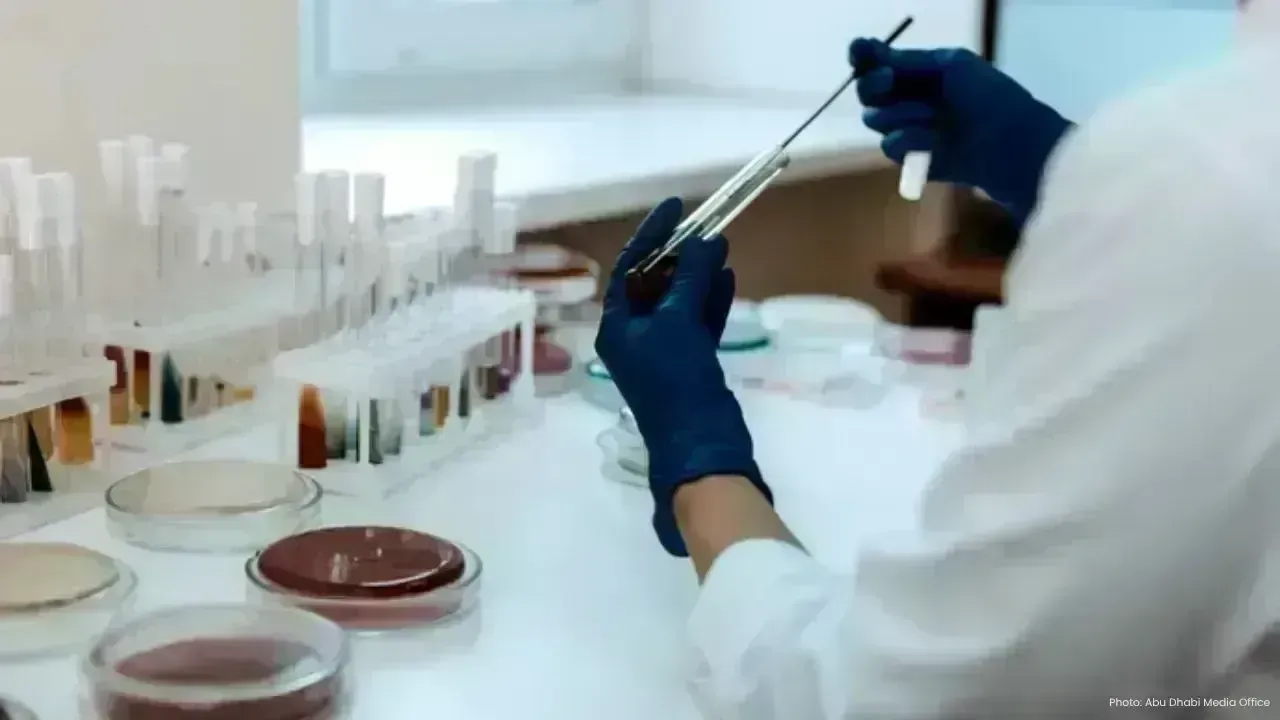
A significant study released by M42, in collaboration with the Department of Health – Abu Dhabi, demonstrates the potential of genomics in detecting and preventing inherited eye disorders at an early stage.
The research unveiled roughly 100 genetic factors contributing to vision loss within the Emirati community. This marks a pivotal advancement in identifying genetic risks relevant to eye health, thereby enabling more effective early intervention.
The investigation analyzed genomic data from over 500,000 Emiratis participating in the Emirati Genome Programme, overseen by the Emirates Genome Council, and supported by national collaborators. It possesses a robust database aimed at enhancing preventative healthcare across the population.
This accomplishment underscores Abu Dhabi's commitment to a healthcare model that prioritizes proactive measures and early identification over reactive treatment. By integrating genetic data with anonymized health records via Malaffi, the researchers translated scientific findings into practical insights for healthcare professionals and planners.
This methodology empowers physicians to identify individuals at elevated risk of diseases before any symptoms manifest, fostering early monitoring, genetic counseling, and customized treatment approaches.
Dr. Noura Al Ghaithi, Undersecretary of the Department of Health – Abu Dhabi, remarked that the study reflects the emirate's dedication to leveraging advanced science and data to enhance healthcare. She noted that genomics plays a vital role in early detection, preventive measures, and the formulation of more effective health policies to safeguard community health in the long run.
Dimitris Moulavasilis, Group CEO of M42, emphasized that the findings illustrate how fusing genomic data with real-world health information can yield superior prevention strategies and more accurate healthcare interventions.
The study notably identified specific genes such as ABCA4, associated with inherited retinal conditions like Stargardt disease, a rare disorder that gradually diminishes central vision, often beginning in early youth.
Additionally, researchers discovered a rare but manageable genetic condition tied to early visual impairments, highlighting how extensive genomic studies can facilitate timely diagnosis and targeted therapies. The research affirmed that a higher prevalence of a genetic variant doesn't necessarily equate to an increased disease risk.
The Emirati Genome Programme stands as one of the world's largest national genome sequencing initiatives, having sequenced over 850,000 genomes to date. This study further solidifies Abu Dhabi's standing as an innovator in health and its unwavering commitment to enhancing quality of life through cutting-edge scientific advancements.










7.5 Magnitude Earthquake Strikes Japan, Tsunami Alerts Issued
Japan experiences a hefty 7.5 quake, prompting tsunami alerts and safety measures. Stay updated on a

Reopening of the Strait of Hormuz: New Regulations to Impact Global Trade
Iran reopens the strategic Strait of Hormuz with new regulations affecting oil transport and global

Top 10 Must-See Attractions in NYC for First-Time Explorers
Discover essential experiences for first-time visitors to NYC, including attractions, culture, and i

Starbucks Engages Boyu Capital for Major Chinese Expansion
Starbucks teams up with Boyu Capital, selling a majority stake to boost growth and adapt to the Chin

Three Individuals Charged in Massive Meth Trafficking Case in Malaysia
In Malaysia, a married couple and another suspect are charged with trafficking 510kg of meth, facing