Post by : Bianca Suleiman
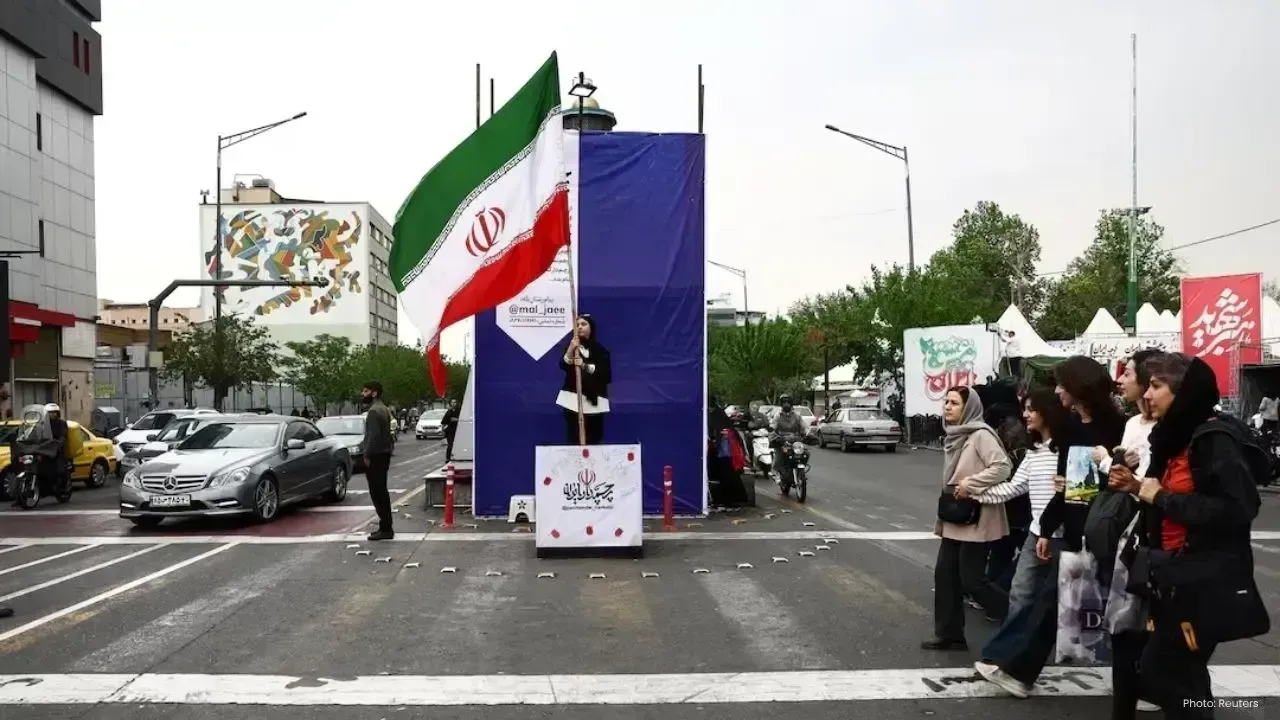
Confidence is growing that discussions between the United States and Iran may recommence in Pakistan as the ceasefire period nears its conclusion.
The current ceasefire, which has lasted two weeks, is expected to end shortly. Although Iran declined to engage in a second round of talks this week, insiders suggest that there are renewed efforts to facilitate negotiations in Islamabad starting Wednesday.
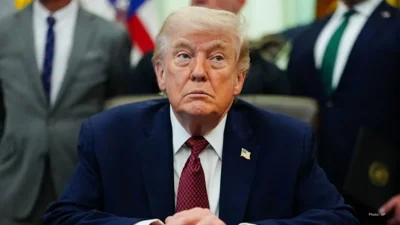
A source from Pakistan has confirmed that preparations for the talks are actively moving forward, stating that discussions are “colorfully on track.” President Donald Trump may participate either in person or virtually if an agreement is struck, and US Vice President JD Vance is also anticipated to be present in Pakistan for the negotiations.
While Iran has yet to officially acknowledge its involvement, it has mentioned that it is “positively reviewing” the proposal to engage. There are indications that Tehran has communicated its intention to send a delegation to regional intermediaries, although a final decision has not yet been reached.
Market Response and Global Repercussions
The possibility of renewed negotiations has led to a decline in global oil prices. Brent crude saw a drop of more than $1, settling at approximately $94 per barrel, while there was also a fall in US crude prices. This follows a period of volatility prompted by uncertainties surrounding the talks.
Current Issues and Escalating Tensions
The relationship between the two nations remains fraught with tension. Iran has criticized the US for impeding its ports and confiscating an Iranian vessel, the “Touska,” labeling it a breach of the ceasefire agreement.
Iran is insisting on the prompt release of the ship, its crew, and their families. The US asserts that the vessel was transporting dual-use materials, failing to heed prior warnings.
Iranian officials have cautioned against any further hostilities, asserting their readiness to respond decisively. They also emphasize that effective negotiations cannot stem from coercion or threats.
Nuclear Negotiations and Strategic Implications
The US has articulated that any resolution must prevent Iran from advancing its nuclear weapon capabilities, while Iran aims to alleviate sanctions and sidestep further conflict without capping its nuclear pursuits.
Tehran is leveraging its strategic capabilities over the Strait of Hormuz, a crucial corridor for global oil, to boost its bargaining power.
Impending Ceasefire Deadline and Future Actions
The ceasefire could expire imminently, likely within hours after Wednesday, depending on time differences. Pakistan has mobilized approximately 20,000 security personnel in Islamabad for the impending discussions.
While there are visible signs of intent to negotiate from both parties, prevailing strong rhetoric, military threats, and unresolved issues introduce significant uncertainty regarding the likelihood of the talks occurring.
The results of these negotiations could profoundly influence global oil markets, the stability of the region, and the dynamics of US-Iran relations.







7.5 Magnitude Earthquake Strikes Japan, Tsunami Alerts Issued
Japan experiences a hefty 7.5 quake, prompting tsunami alerts and safety measures. Stay updated on a
Reopening of the Strait of Hormuz: New Regulations to Impact Global Trade
Iran reopens the strategic Strait of Hormuz with new regulations affecting oil transport and global

Top 10 Must-See Attractions in NYC for First-Time Explorers
Discover essential experiences for first-time visitors to NYC, including attractions, culture, and i

Starbucks Engages Boyu Capital for Major Chinese Expansion
Starbucks teams up with Boyu Capital, selling a majority stake to boost growth and adapt to the Chin

Three Individuals Charged in Massive Meth Trafficking Case in Malaysia
In Malaysia, a married couple and another suspect are charged with trafficking 510kg of meth, facing