Post by : Shweta
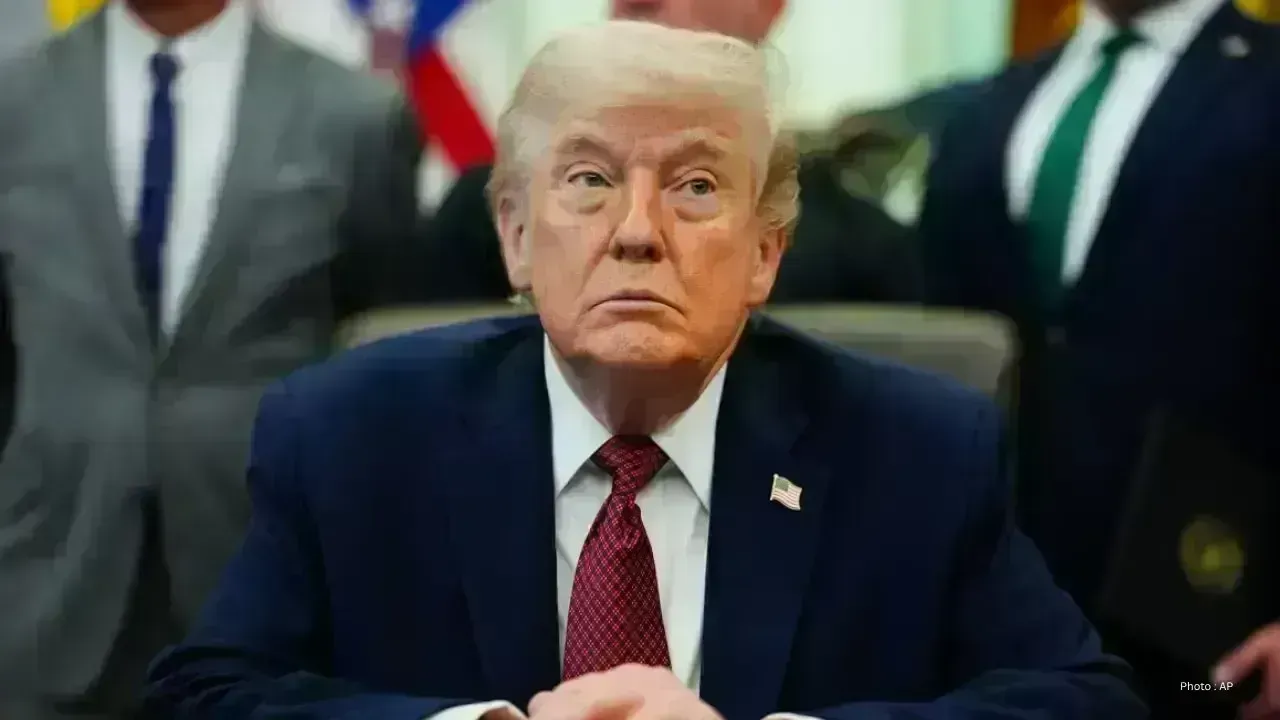
Negotiations aimed at resolving the conflict between the United States and Iran entered a precarious phase after remarks made by Donald J. Trump disrupted the delicate dialogue. Initial reports indicated that both nations were inching closer to a resolution, but optimism waned following the President's provocative social media commentary and interviews.
Trump asserted via public channels that Iran had accepted pivotal stipulations, including restrictions on its nuclear endeavors and the handing over of enriched uranium. Yet, insiders indicated that these crucial points were still in dispute. Moreover, Iranian representatives dismissed many of Trump's claims, fostering confusion and eroding confidence at a vital point in the talks.
The scenario grew increasingly intricate as Trump continued to disseminate updates about the negotiations in real time. Some administration officials privately conceded that his public disclosures may have hindered the diplomatic efforts. High-level negotiations typically necessitate a degree of secrecy, especially when navigating intricate and sensitive topics.
Additionally, internal strife within Iran poses its own challenges. Sources have revealed discord among influential figures such as Mohammad Bagher Ghalibaf and Abbas Araghchi, as well as the impact of the Islamic Revolutionary Guard Corps. These divisions have sparked debates regarding who in Iran has the authority to greenlight any eventual agreement.
Meanwhile, regional tensions remain elevated. A recent confrontation in the Gulf of Oman, where a U.S. naval vessel intercepted an Iranian cargo ship, escalated tensions further and underscored the delicate nature of the ceasefire. The interim truce, established for two weeks, is nearing its conclusion, intensifying the urgency surrounding negotiations.
Both parties have proposed differing frameworks concerning Iran's nuclear initiatives. The U.S. seeks a long-term or potentially permanent cessation of uranium enrichment, whereas Iran has advocated for more short-term limitations. Protracted disagreements concerning sanctions, regional influence, and security assurances also linger unresolved.
Reports suggest that the U.S. administration is weighing various incentives, possibly including the unfreezing of Iranian assets, to facilitate a broader agreement. However, the success of these efforts will depend significantly on the willingness of both parties to compromise on fundamental demands.
Despite ongoing hurdles, some officials assert that discussions could remain in motion, potentially leading to a foundational framework before delving into detailed negotiations. Nevertheless, the situation continues to be fluid, with changing timelines and mixed signals emanating from both sides.
In summary, while a potential agreement once seemed imminent, recent developments have muddled the path forward. The resolution will be pivotal for either easing regional tensions or exacerbating the existing conflict.





7.5 Magnitude Earthquake Strikes Japan, Tsunami Alerts Issued
Japan experiences a hefty 7.5 quake, prompting tsunami alerts and safety measures. Stay updated on a
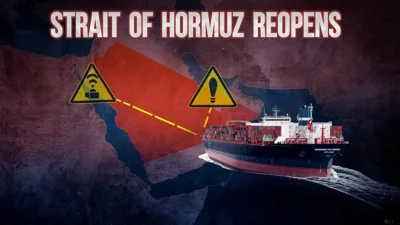
Reopening of the Strait of Hormuz: New Regulations to Impact Global Trade
Iran reopens the strategic Strait of Hormuz with new regulations affecting oil transport and global

Top 10 Must-See Attractions in NYC for First-Time Explorers
Discover essential experiences for first-time visitors to NYC, including attractions, culture, and i

Starbucks Engages Boyu Capital for Major Chinese Expansion
Starbucks teams up with Boyu Capital, selling a majority stake to boost growth and adapt to the Chin

Three Individuals Charged in Massive Meth Trafficking Case in Malaysia
In Malaysia, a married couple and another suspect are charged with trafficking 510kg of meth, facing