Post by : Shweta
The United Arab Emirates has confirmed its intention to exit the Organization of the Petroleum Exporting Countries (OPEC) and the OPEC+ alliance effective May 1, 2026. This decision ends nearly six decades as part of a pivotal entity in global oil governance, indicating a crucial juncture in energy politics and shifting power dynamics in the Gulf region.
UAE officials attribute this choice to a comprehensive review of the nation’s long-range economic and energy strategies. The government emphasizes its desire for enhanced autonomy to ramp up oil production and respond more flexibly to fluctuating global energy demands. This move aligns with a broader economic agenda focused on bolstering investments in energy, trade, infrastructure, and renewable resources.
In an official announcement, UAE authorities clarified that this decision aligns with national interests and future growth aspirations. They reiterated their commitment to maintaining stability in worldwide energy markets while responsibly meeting international oil demands. After departing from OPEC+, the UAE intends to cooperate with global partners to ensure balanced energy supply.
The UAE initially became a member of OPEC in 1967, predating the official establishment of the federation in 1971. Over the years, it emerged as one of the group's most influential nations, ranking as the third-largest producer after Saudi Arabia and Iraq. However, tensions have surfaced recently over production limits and quotas, particularly as Abu Dhabi sought to enhance its output capacity.
The UAE currently possesses the capacity to produce nearly five million barrels daily, yet OPEC+ agreements have imposed constraints, resulting in significantly lower actual output. Officials contend that such limitations hinder the effective utilization of investments and production facilities. The government has been vocal about needing the flexibility to gradually increase production in accordance with market trends and comprehensive economic strategies.
This shift also mirrors the increasing rivalry between the UAE and Saudi Arabia regarding regional power and economic dominance in the Gulf. While Saudi Arabia has traditionally advocated for tighter oil supplies to uphold higher global prices, the UAE has favored augmenting production to capture greater market share. Though both nations’ leaders have denied any substantial discord, analysts assert that friction over oil policy and regional strategies has become more apparent.
The timing of this announcement garnered international attention, coinciding with a vital Gulf Cooperation Council meeting in Jeddah, chaired by Saudi Crown Prince Mohammed bin Salman, with UAE represented by Foreign Minister Sheikh Abdullah bin Zayed Al Nahyan. During the summit, UAE Energy Minister Suhail Al Mazrouei referred to Saudi Arabia as a “brotherly state” and praised regional collaboration, yet the announcement raised crucial questions about the future coherence of Gulf unity.
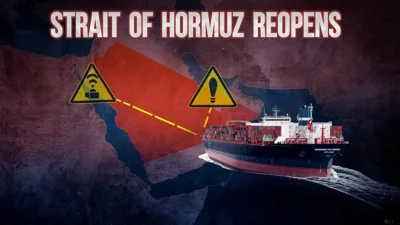
Energy analysts warn that the UAE’s exit could undermine OPEC's overall clout in the global oil sector. The organization has relied on collaborative efforts among principal producers to manage supply and stabilize prices, and losing one of its most financially potent members could introduce new uncertainties in energy markets already influenced by geopolitical tensions and risks associated with shipping through the Strait of Hormuz.
The consequences of this decision may extend beyond the Gulf region. Countries such as India, with burgeoning energy ties to the UAE, are closely monitoring the situation. Indian companies have investments in several UAE oil fields, and the two nations have significantly deepened trade cooperation via bilateral agreements in recent years.
The UAE has also been proactive in expanding its international economic engagements by establishing trade pacts with numerous countries, including India. Officials in Abu Dhabi believe that greater control over their oil production will enhance long-term growth and solidify the UAE's status as a crucial player in the global energy and investment arena.
As the UAE prepares to officially withdraw from OPEC+, analysts contend that this development signifies a new era in Middle Eastern energy affairs, potentially reshaping alliances and influencing how key producers navigate the global supply landscape and pricing strategies moving forward.






Price Increase for Sony PS5 in Southeast Asia Effective May 1
Sony announces a price increase for the PS5 across Southeast Asia starting May 1, 2026, impacting ga

Potential ‘Super El Niño’ in 2026: Understanding the Climate Risks
Could a Super El Niño emerge in 2026? Discover its implications and potential global climate impacts

Global Energy Crisis Intensifies: Markets React to Oil Supply Challenges
Markets are on edge as oil disruptions escalate, influencing prices and economic stability. Explore

Must-See Tourist Spots in London You Can't Overlook
Explore London's essential attractions, from royal landmarks to vibrant markets, ensuring an unforge

Ultimate Guide to Snagging Cheap Flights in 2026
Unlock the secrets to booking affordable flights in 2026 with insightful tips and strategies tailore

The Impact of Consistent Small Investments on Wealth Building
Discover how investing small amounts regularly can positively transform your financial future over t