Post by : Monika
Photo: AP
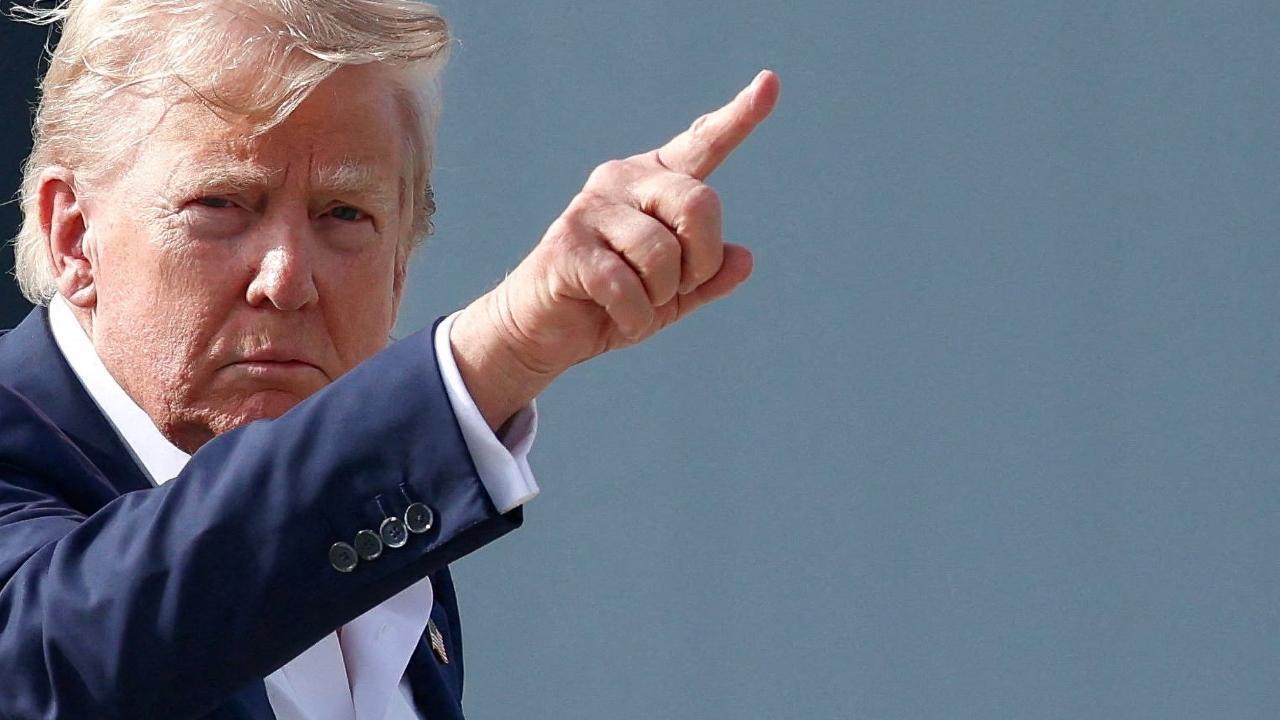
Former U.S. President Donald Trump has introduced a wide-ranging new order to impose steep tariffs on goods imported from many countries. These tariffs will begin on August 7, 2025, and affect nearly 68 nations, including key partners like Canada, Japan,
the European Union, and Taiwan. The new import taxes vary between 10% and 41%. The goal is to lower the U.S. trade deficit and protect American industries from foreign competition.
Why These Tariffs Are Important
During Trump’s second term, the average tariff rate in the U.S. has risen sharply—from about 2.5% early in 2025 to more than 15% by mid-year. Certain products such as steel, aluminum, and cars now face tariffs up to 50%. This is the highest average tariff level the U.S. has seen in over 100 years.
The government defends these tariffs by using a law passed in 1977 that allows imposing duties in times of emergency. But critics say that trade deficits do not qualify as an emergency. Federal courts have questioned whether the president has this authority, and a legal battle over this may reach the Supreme Court.
Effects on the U.S. Economy
A recent study shows that U.S. factories might see costs rise by 2% to 4.5% because of these tariffs. States like Michigan and Wisconsin, with many manufacturing jobs, could be hit especially hard. Many factories operate with very small profit margins, so even small increases in costs can force layoffs or factory shutdowns.
Households will likely face higher expenses too. Experts estimate that the average American family could spend an extra $2,400 to $2,800 each year because of price increases on everyday goods.
Inflation, the rise in prices, is already creeping higher. Over the past year, prices have gone up by 2.7%. Many analysts believe the tariffs are partly responsible for this inflation increase.
How Other Countries Are Reacting
Malaysia, Cambodia, Thailand, Pakistan, and several others negotiated tariffs around 19–20%. Cambodia even promised to lower tariffs on U.S. goods and signed deals to buy American airplanes.
China is still in talks with the U.S. Some tariffs on Chinese products are paused until August 12 while negotiations continue.
Impact on Financial Markets
Markets reacted quickly to the new tariffs. Asian stock markets fell sharply. For example, South Korea’s Kospi dropped nearly 4%, and U.S. stock futures like the S&P 500 went down by almost 1%. The U.S. dollar also weakened a bit compared to other major currencies.
Even though there is growing uncertainty, the U.S. Treasury reported it collected $124 billion more in tariff money during the first half of 2025. This is nearly twice as much as the previous year, and it might reach $300 billion by the end of the year.
However, critics warn that these extra funds might not lead to stronger economic growth or more U.S. manufacturing jobs. Instead, unpredictable trade policies could damage business confidence and reduce investments.
Legal Challenges to the Tariffs
A key federal court recently ruled that Trump’s use of the 1977 emergency law goes beyond presidential powers. The court has ordered a pause on some of the tariff rounds until the case is settled. This case is expected to be decided by the U.S. Supreme Court.
If the courts decide against the tariffs, the government could be forced to pay back billions of dollars in collected tariffs—possibly as much as $200 billion. Such a ruling would also restrict the president’s power to impose tariffs without Congress’s approval in the future.
The Bigger Picture
What to Expect Next
Trump and his supporters say these tariffs will strengthen U.S. manufacturing and reduce trade deficits. They view the tariffs as a strong tool in global trade negotiations. Critics point to rising inflation, weak job growth, and possible overreach of executive power. The coming months, especially the legal rulings and global responses, will decide if this approach works or backfires.







Reopening of the Strait of Hormuz: New Regulations to Impact Global Trade
Iran reopens the strategic Strait of Hormuz with new regulations affecting oil transport and global

Top 10 Must-See Attractions in NYC for First-Time Explorers
Discover essential experiences for first-time visitors to NYC, including attractions, culture, and i

Starbucks Engages Boyu Capital for Major Chinese Expansion
Starbucks teams up with Boyu Capital, selling a majority stake to boost growth and adapt to the Chin

Three Individuals Charged in Massive Meth Trafficking Case in Malaysia
In Malaysia, a married couple and another suspect are charged with trafficking 510kg of meth, facing
Singapore Police Revisit Geylang Murder Scene with Suspect
In Geylang, police return a murder suspect to the scene of a crime involving the fatal stabbing of a