Post by : Saif Nasser
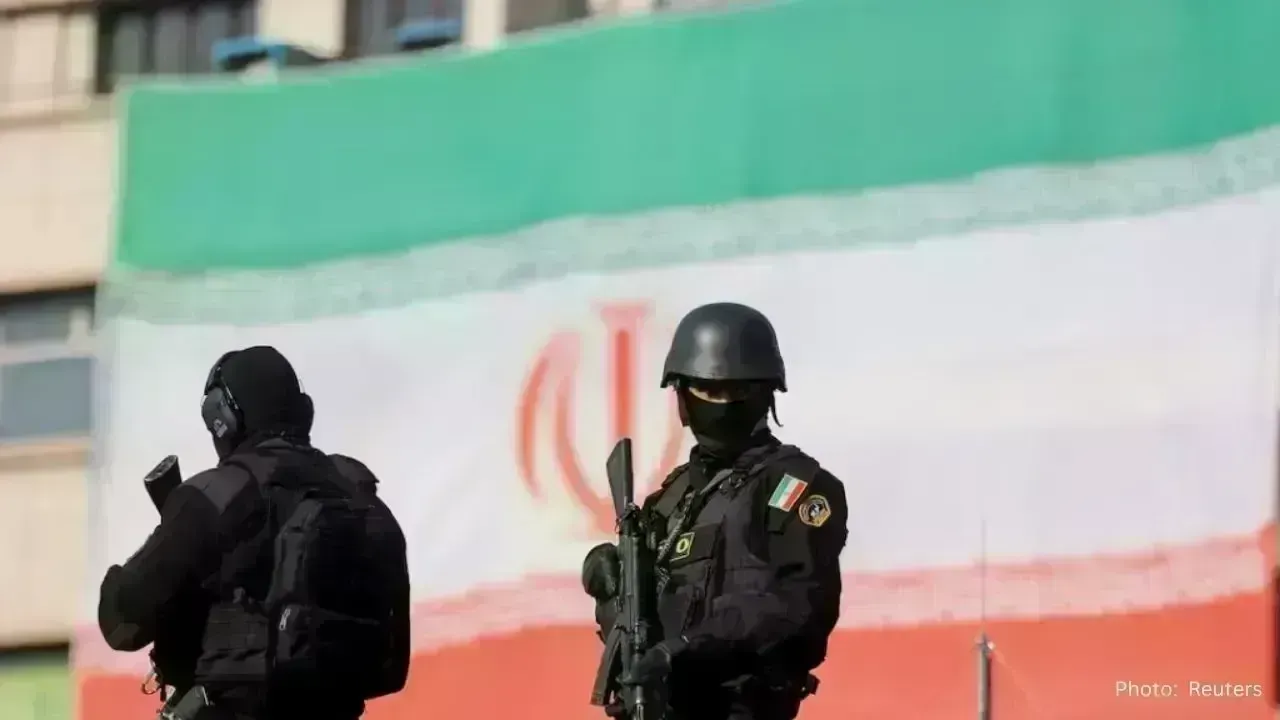
Iran is facing one of its most serious internal crises in decades, as nationwide protests challenge the country’s clerical leadership and draw sharp attention from the United States. At the same time, U.S. President Donald Trump is weighing how to respond, balancing warnings of force with signals that diplomacy is still possible.
According to reports, Iran has confirmed that communication channels with Washington remain open, even as Trump considers a wide range of responses to Tehran’s violent crackdown on protesters. These demonstrations are being described as the biggest threat to Iran’s ruling system since the 1979 Islamic Revolution.
The protests began in late December after sharp rises in prices made daily life harder for many Iranians. What started as anger over economic pain soon turned into open calls for an end to clerical rule. Demonstrations spread across cities and towns, drawing large crowds despite heavy security measures.
Human rights group HRANA says at least 646 people have been killed, including more than 500 protesters. Thousands more have been arrested. These figures cannot be fully confirmed, but videos and reports from inside Iran suggest the situation is severe. Families of victims have reportedly gathered at cemeteries, chanting slogans against the government.
President Trump has responded with strong words and new pressure. He announced that any country doing business with Iran could face a 25% tariff on exports to the United States. He also warned Iran’s leaders that the U.S. could attack if security forces continue to fire on protesters.
Trump has said that diplomacy remains his first choice, but he has also made it clear that other options are on the table. Reports suggest these could include cyber operations, tougher sanctions, or even military strikes. Such actions would carry serious risks, especially since many military sites are located near civilian areas.
Despite the harsh language, Iran’s leaders say talks with the U.S. are still ongoing. Foreign Minister Abbas Araqchi confirmed that communication with U.S. envoy Steve Witkoff has continued before and after the protests. However, he also said Washington’s threats are not acceptable and make talks more difficult.
Iran’s government blames the unrest on foreign interference, accusing the U.S. and Israel of backing violence and unrest. State media has focused on attacks against security forces, saying dozens of mosques and ambulances have been burned. Officials insist the situation is under control.
So far, there are no clear signs of splits within Iran’s leadership, military, or security forces. The protest movement itself has no single leader and is spread across many groups, which makes it harder to organize but also harder to fully suppress.
The crisis has raised concerns far beyond Iran. Oil prices have climbed as markets worry that unrest and possible U.S. action could disrupt Iranian exports. Countries like China, which buys much of Iran’s oil, have criticized Washington’s use of unilateral sanctions.
Iran is also still recovering from last year’s brief but intense war with Israel and the United States, which damaged its military leadership and weakened its regional influence. These losses have added pressure on a government already facing deep public anger.
For now, the world is watching closely. Trump’s next move could shape not only Iran’s future but also stability across the Middle East. While talks remain open, the mix of protests, threats, and rising deaths makes the situation highly dangerous.
This moment shows how internal unrest can quickly become an international crisis. Whether the path ahead leads to talks or conflict will depend on choices made in Washington and Tehran in the coming days.


The Impact of Consistent Small Investments on Wealth Building
Discover how investing small amounts regularly can positively transform your financial future over t

7.5 Magnitude Earthquake Strikes Japan, Tsunami Alerts Issued
Japan experiences a hefty 7.5 quake, prompting tsunami alerts and safety measures. Stay updated on a
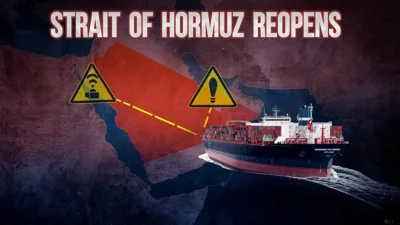
Reopening of the Strait of Hormuz: New Regulations to Impact Global Trade
Iran reopens the strategic Strait of Hormuz with new regulations affecting oil transport and global

Top 10 Must-See Attractions in NYC for First-Time Explorers
Discover essential experiences for first-time visitors to NYC, including attractions, culture, and i

Starbucks Engages Boyu Capital for Major Chinese Expansion
Starbucks teams up with Boyu Capital, selling a majority stake to boost growth and adapt to the Chin

Three Individuals Charged in Massive Meth Trafficking Case in Malaysia
In Malaysia, a married couple and another suspect are charged with trafficking 510kg of meth, facing