Post by : Saif Nasser
The conflict in the Middle East has entered one of its most dangerous phases in recent years. Heavy airstrikes, missile attacks, and military operations are spreading across the region as the United States and Israel continue their campaign against Iran. The growing violence has already caused hundreds of deaths and has raised serious fears that the war could expand even further.
Recent reports say that Israeli forces carried out powerful airstrikes targeting several locations in Iran and Lebanon. At the same time, the United States launched attacks against Iranian military assets, including a drone carrier at sea and missile sites inside Iran. These operations were described by officials as part of a broader campaign aimed at weakening Iran’s military capabilities.
Military leaders in Washington have warned that the bombing campaign may intensify in the coming weeks. U.S. defense officials said the scale of the attacks could “surge dramatically,” suggesting that more strikes could be launched if the conflict continues.
The conflict began after the United States and Israel launched coordinated strikes against Iranian leadership and military infrastructure. The attacks targeted missile bases, military headquarters, and other strategic facilities believed to be connected to Iran’s defense system and weapons programs.
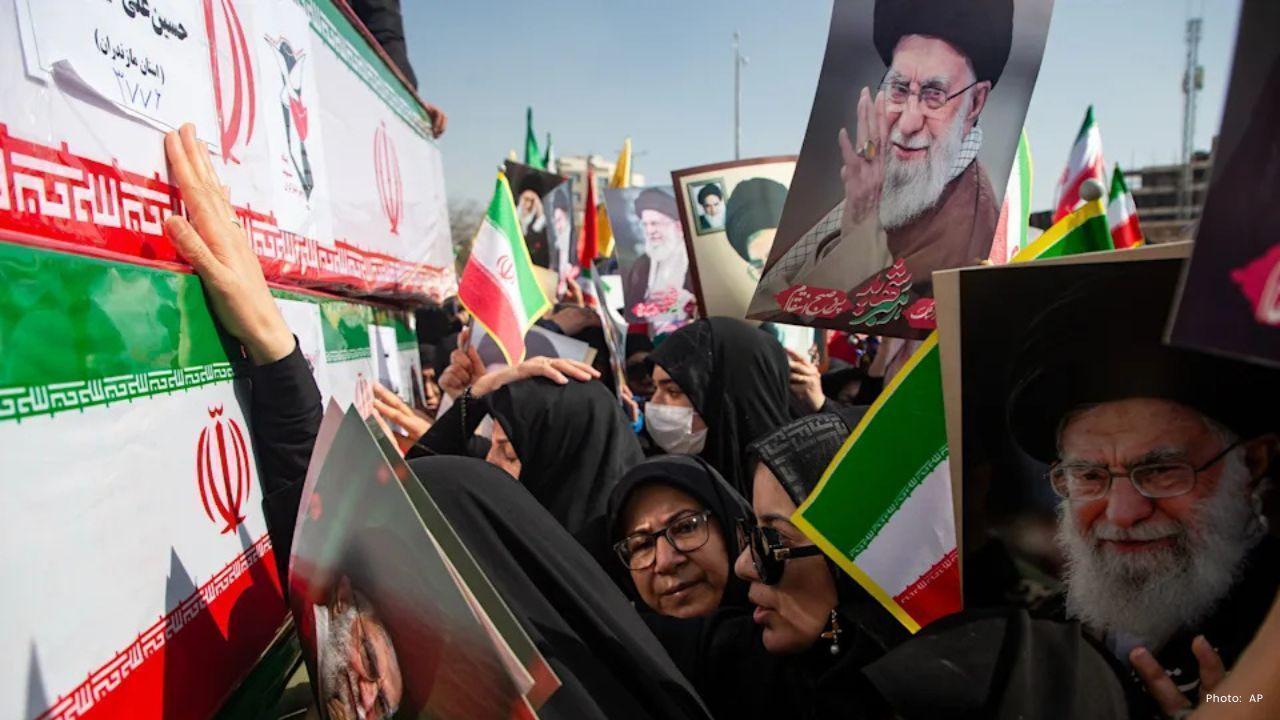
The first wave of strikes also reportedly killed several high-ranking Iranian officials, including Iran’s Supreme Leader, Ayatollah Ali Khamenei. His death created a major political shock inside Iran and significantly increased tensions across the region.
Following the strikes, Iran quickly responded with missile and drone attacks. Iranian forces fired rockets toward Israel and launched strikes against U.S. military bases located in several Gulf countries. Some attacks were also reported near diplomatic sites and strategic facilities in the region.
The fighting has now spread across several countries, including Iran, Israel, Lebanon, and parts of the Gulf region. Military analysts say this widening conflict could become one of the most serious regional confrontations in decades.
In Iran, air raid sirens and explosions have been reported in major cities including Tehran. Residents have described nights filled with loud blasts and the sound of fighter jets flying overhead. Many civilians have rushed to shelters or tried to leave areas where military targets are believed to exist.
According to early estimates, more than 1,200 people have been killed in Iran since the fighting began. Casualties have also been reported in Lebanon, Israel, and among U.S. troops stationed in the region.
The destruction has included damage to military bases, weapons factories, and air defense systems. Israel has said that its operations are aimed at destroying Iran’s missile capabilities and preventing future attacks against Israeli cities.
Iran, however, has strongly condemned the strikes. Iranian leaders have accused the United States and Israel of carrying out illegal attacks and have promised strong retaliation.
The war has also caused significant civilian suffering. Reports say hospitals, residential areas, and public infrastructure have been damaged in some locations during the intense bombardment.
One particularly tragic incident involved an airstrike that hit a school building in the southern Iranian city of Minab. Iranian authorities said many children were killed in the attack, although investigations into the incident are still ongoing.
Events like this have increased global concern about the humanitarian impact of the war.
Meanwhile, the conflict has also spread into Lebanon, where Israeli forces have launched strikes against positions linked to Hezbollah, the powerful militia group backed by Iran. These attacks have added another front to the growing regional war.
The wider Middle East is now feeling the effects of the crisis. Countries across the Gulf have increased their military readiness, while airlines have canceled flights and governments have warned citizens to remain alert.
Oil markets have also reacted strongly to the conflict. Because the Middle East produces a large share of the world’s energy supply, any major war in the region can quickly affect global prices and economic stability.
Diplomatic efforts to calm the situation have so far had little success. Several international leaders have called for restraint and urged all sides to avoid actions that could push the region into a larger war.
The United Nations has also expressed concern about the escalating violence and the risk of civilian casualties.
Experts say the situation remains extremely unpredictable. If attacks continue to expand across borders, the conflict could involve more countries and create an even larger crisis.
For now, the Middle East remains on edge as powerful militaries continue their operations and governments prepare for possible escalation.
The coming days may determine whether the conflict slows down through diplomacy or grows into a wider war that reshapes the region’s future.



DAE Achieves Remarkable Growth in Q1 2026 With Record Revenue
Dubai Aerospace Enterprise announces impressive financial results for Q1 2026, reflecting a surge in

Price Increase for Sony PS5 in Southeast Asia Effective May 1
Sony announces a price increase for the PS5 across Southeast Asia starting May 1, 2026, impacting ga

Potential ‘Super El Niño’ in 2026: Understanding the Climate Risks
Could a Super El Niño emerge in 2026? Discover its implications and potential global climate impacts

Global Energy Crisis Intensifies: Markets React to Oil Supply Challenges
Markets are on edge as oil disruptions escalate, influencing prices and economic stability. Explore

Must-See Tourist Spots in London You Can't Overlook
Explore London's essential attractions, from royal landmarks to vibrant markets, ensuring an unforge

Ultimate Guide to Snagging Cheap Flights in 2026
Unlock the secrets to booking affordable flights in 2026 with insightful tips and strategies tailore




