Post by : Saif Nasser
Several major Gulf airlines have begun slowly restoring flight operations after days of severe disruption caused by rising military tensions in the Middle East. However, the continuing threat of missile attacks and the uncertain security situation are still affecting air travel across the region.
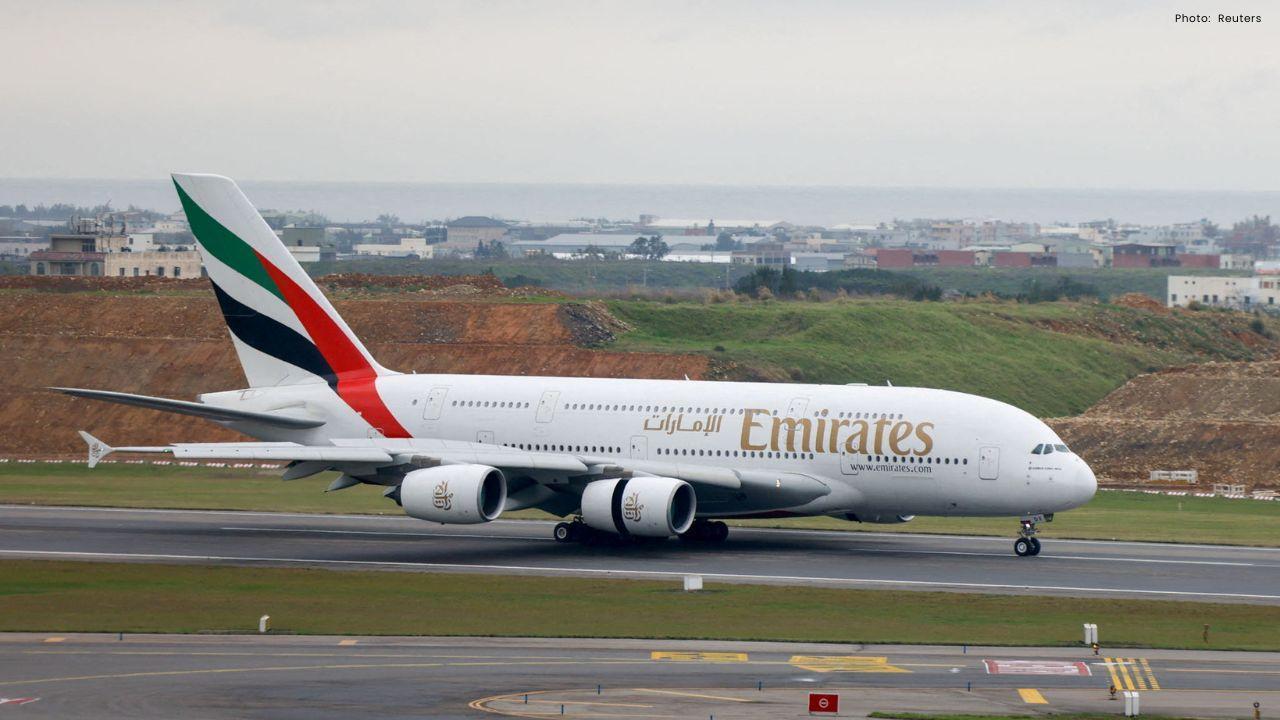
Airlines based in the United Arab Emirates, including Emirates and Etihad Airways, have restarted a limited number of flights from their main hubs. The move comes after widespread cancellations earlier in the week when missile launches and military activity forced several countries to close their airspace.
Although some flights are now operating again, airline officials say schedules remain very restricted. Carriers are moving carefully as they monitor the security situation and follow instructions from aviation authorities.
The partial return of flights has brought relief to thousands of passengers who had been stranded at airports or unable to travel due to the sudden suspension of services.
The recent disruptions began after the conflict involving Iran, the United States, and Israel sharply escalated. Military strikes and retaliatory missile launches created serious safety risks for aircraft flying over the region. As a result, many countries in the Middle East temporarily shut down their airspace.
This forced airlines around the world to cancel flights, change routes, or delay departures. Aircraft already flying through the region had to divert to alternative airports to avoid potential danger.
Airlines operating in the Gulf region were particularly affected because the area serves as one of the most important aviation crossroads in the world. Airports in cities like Dubai and Abu Dhabi normally handle thousands of international passengers every day.
Dubai International Airport, which is usually the world’s busiest airport for international travel, saw a dramatic drop in activity during the height of the crisis. According to flight tracking services, air traffic at the airport fell sharply as airlines suspended operations.
Even though some flights have now resumed, traffic levels remain far below normal.
Emirates and Etihad have confirmed that they are operating only a reduced number of flights for now. These flights mainly connect the Gulf region with major global cities in Europe, North America, and Asia.
Airlines say they will gradually increase services if the security situation improves. However, any new escalation in military activity could quickly lead to further cancellations.
Etihad Airways has indicated that its limited schedule could continue for several days while the company closely watches developments in the region.
Missile launches remain a major concern for aviation safety. Airlines must ensure that aircraft do not pass through areas where missiles or military operations could put passengers at risk.
In one recent incident, a government-chartered aircraft sent to evacuate French citizens from the United Arab Emirates had to turn around because of missile activity nearby. The event showed how quickly the situation can change and how difficult it is to operate flights safely during a conflict.
Governments from several countries have been organizing evacuation flights to bring their citizens home from the Middle East. Many travelers have been waiting for available seats as airlines slowly restart operations.
The disruptions have also placed heavy pressure on the aviation industry. Airlines must deal with flight delays, rerouted aircraft, and sudden changes to schedules. These challenges increase operational costs and create uncertainty for both airlines and passengers.
At the same time, global oil prices have risen because of fears that the conflict could threaten energy supplies from the Gulf region. Higher fuel prices can significantly increase airline expenses, adding another difficulty for carriers already dealing with disrupted operations.
The Gulf region plays a key role in global aviation because it connects travel routes between Asia, Europe, Africa, and North America. Many long-distance flights rely on transfer hubs such as Dubai, Abu Dhabi, and Doha.
When these hubs experience disruptions, the effects can be felt across the global aviation network. Airlines may need to take longer routes, which increases travel time and fuel consumption.
Passengers traveling between continents often depend on connections through Gulf airports. With limited flights available, many travelers have had to change their plans or wait longer for available flights.
Airlines and aviation authorities say safety will remain the top priority. Before expanding flight schedules further, they must be sure that the airspace is safe for commercial aircraft.
Experts say that until tensions in the Middle East ease, airlines will continue to operate cautiously.
For travelers, this means that flights through the region may still face delays, route changes, or cancellations in the coming days.
While the gradual return of flights shows that the aviation system is trying to recover, the ongoing conflict means uncertainty will remain for the foreseeable future.
Airlines, governments, and aviation regulators will continue to watch the situation closely as they balance the need to restore travel with the responsibility to protect passengers and crews.









DAE Achieves Remarkable Growth in Q1 2026 With Record Revenue
Dubai Aerospace Enterprise announces impressive financial results for Q1 2026, reflecting a surge in

Price Increase for Sony PS5 in Southeast Asia Effective May 1
Sony announces a price increase for the PS5 across Southeast Asia starting May 1, 2026, impacting ga

Potential ‘Super El Niño’ in 2026: Understanding the Climate Risks
Could a Super El Niño emerge in 2026? Discover its implications and potential global climate impacts

Global Energy Crisis Intensifies: Markets React to Oil Supply Challenges
Markets are on edge as oil disruptions escalate, influencing prices and economic stability. Explore

Must-See Tourist Spots in London You Can't Overlook
Explore London's essential attractions, from royal landmarks to vibrant markets, ensuring an unforge

Ultimate Guide to Snagging Cheap Flights in 2026
Unlock the secrets to booking affordable flights in 2026 with insightful tips and strategies tailore




