Post by : Saif Nasser
President Donald Trump has announced that the United States will receive between 30 million and 50 million barrels of oil from Venezuela, paying the market price for the crude. He said the money from this oil deal would be used to benefit the people of both the United States and Venezuela. The statement comes at a highly tense moment, just days after a U.S. military operation captured Venezuelan President Nicolás Maduro and brought him to the United States to face drug-related charges.
The announcement has drawn global attention because it links energy, military power, and political change in one of the world’s most oil-rich nations. Venezuela has long struggled with economic collapse, fuel shortages, and political instability, despite having massive oil reserves. Trump’s statement signals that Washington wants a direct role in reshaping Venezuela’s future, especially its energy sector.
Earlier on Tuesday, Venezuelan officials confirmed that at least 24 security officers were killed during the U.S. operation carried out late at night. Later reports raised the official death toll to at least 56. Venezuela’s attorney general said three prosecutors have been assigned to investigate the deaths, calling the operation a possible war crime. These claims highlight how deeply controversial the U.S. action has been, both inside Venezuela and internationally.
After Maduro’s capture, power in Venezuela shifted to Delcy Rodriguez, the country’s former foreign minister, who is now acting president. Rodriguez is a familiar figure to American officials and media, but her new role places her at the center of a national crisis. She strongly pushed back against Trump’s comments and rejected warnings that she could face a worse fate than Maduro if she does not follow U.S. demands.
Trump has made it clear that his administration wants Venezuela to open its oil industry widely to American companies. He has argued that U.S. investment and expertise are needed to revive Venezuela’s struggling oil sector. The White House is organizing a meeting with top U.S. oil executives, including representatives from Exxon, Chevron, and ConocoPhillips, to discuss future involvement in Venezuela’s energy industry.
For the United States, the oil deal could help increase energy supplies and reduce dependence on other foreign sources. For Venezuela, the situation is far more complex. While foreign investment could help restore oil production, many Venezuelans fear losing control over their most valuable national resource. Years of sanctions, mismanagement, and corruption have already weakened the industry, and trust in foreign promises remains low.
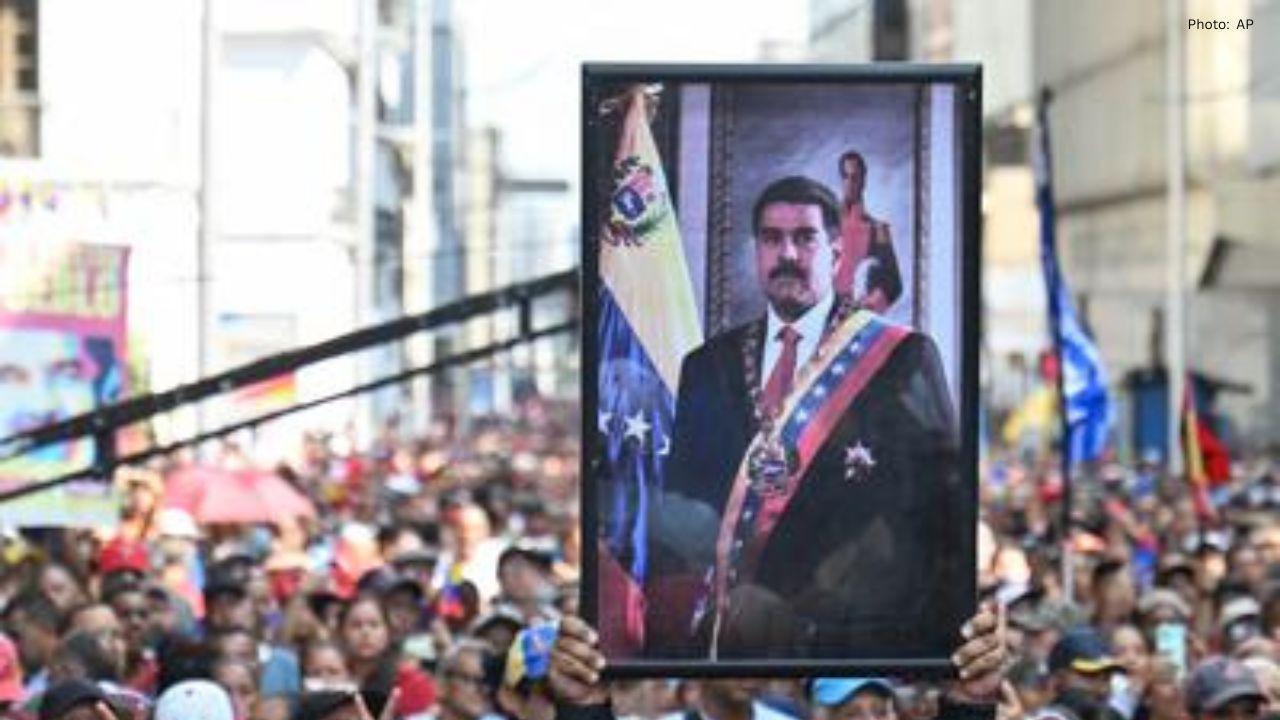
Inside Venezuela, the capture of Maduro has triggered protests and public anger. Supporters of the former president have gathered in Caracas, including large women-led marches demanding his return. Government allies have also appeared at public events to show unity, but the country remains deeply divided. Some citizens hope the changes could bring relief from poverty and shortages, while others see the U.S. actions as an attack on national sovereignty.
From an editorial perspective, the situation raises serious concerns about the use of military force to influence political outcomes. While improving living conditions for Venezuelans is an important goal, lasting stability cannot be achieved through pressure alone. History shows that outside intervention often creates long-term instability rather than peace.
The proposed oil deal may bring short-term economic benefits, but it does not address deeper issues such as weak institutions, political mistrust, and social division. Any real recovery in Venezuela will require transparent leadership, respect for the rule of law, and solutions driven by the Venezuelan people themselves.
Trump’s announcement marks a turning point in U.S.-Venezuela relations. Whether it leads to recovery or further conflict will depend on how power is used in the days ahead. What remains clear is that Venezuela’s future should not be decided only by military strength or oil contracts, but by a process that truly reflects the will and welfare of its people.








The Impact of Consistent Small Investments on Wealth Building
Discover how investing small amounts regularly can positively transform your financial future over t

7.5 Magnitude Earthquake Strikes Japan, Tsunami Alerts Issued
Japan experiences a hefty 7.5 quake, prompting tsunami alerts and safety measures. Stay updated on a

Reopening of the Strait of Hormuz: New Regulations to Impact Global Trade
Iran reopens the strategic Strait of Hormuz with new regulations affecting oil transport and global

Top 10 Must-See Attractions in NYC for First-Time Explorers
Discover essential experiences for first-time visitors to NYC, including attractions, culture, and i

Starbucks Engages Boyu Capital for Major Chinese Expansion
Starbucks teams up with Boyu Capital, selling a majority stake to boost growth and adapt to the Chin
Three Individuals Charged in Massive Meth Trafficking Case in Malaysia
In Malaysia, a married couple and another suspect are charged with trafficking 510kg of meth, facing