Post by : Shweta
Adrian Dix, British Columbia's Energy Minister, has firmly stated that the option of a northern route for an Alberta oil pipeline is “unrealistic.” His remarks come as discussions surface regarding a potential southern route, which the Canadian federal government is reportedly considering for the currently unfunded project.
Dix pointed out the significant obstacles facing the northern route, notably the existing ban on oil tankers along the North Coast of British Columbia. He attributed this restriction to the need for safeguarding coastal communities and the environment, highlighting that a pipeline terminating in this area is unlikely to gain support. Furthermore, he indicated a lack of both public and financial endorsement surrounding such a proposal.
The pipeline venture is part of a broader agreement involving Alberta and the federal government, yet it finds itself without a private sector entity willing to back and construct it. Dix underscored that without robust economic backing, the initiative stands little chance of advancing in its present form. He advocated for utilizing existing infrastructure, such as the expanded Trans Mountain pipeline, as a more sensible approach.
Emerging reports hint that Ottawa might favor a southern route, steering clear of the contentious northern coastline. Dix expressed enthusiasm for this possibility, stating it reflects British Columbia’s long-term commitment to protecting its coastal habitats.
Simultaneously, the debate has provoked apprehension among Indigenous leaders. Terry Teegee, the regional chief of the B.C. Assembly of First Nations, emphasized that any prospective pipeline project—irrespective of its pathway—must include adequate consultation and consent from Indigenous communities. He noted that numerous Indigenous groups were excluded from past dialogues, making their endorsement crucial before any definitive action is taken.
The renewed emphasis on pipeline projects emerges amidst increasing global energy demands and economic challenges. Nonetheless, uncertainties about the project's viability, expense, and environmental repercussions persist. As conversations evolve, both provincial and federal authorities are anticipated to balance economic gains against environmental integrity and community considerations before making a decision.






The Impact of Consistent Small Investments on Wealth Building
Discover how investing small amounts regularly can positively transform your financial future over t

7.5 Magnitude Earthquake Strikes Japan, Tsunami Alerts Issued
Japan experiences a hefty 7.5 quake, prompting tsunami alerts and safety measures. Stay updated on a
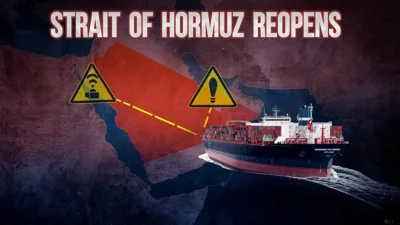
Reopening of the Strait of Hormuz: New Regulations to Impact Global Trade
Iran reopens the strategic Strait of Hormuz with new regulations affecting oil transport and global

Top 10 Must-See Attractions in NYC for First-Time Explorers
Discover essential experiences for first-time visitors to NYC, including attractions, culture, and i

Starbucks Engages Boyu Capital for Major Chinese Expansion
Starbucks teams up with Boyu Capital, selling a majority stake to boost growth and adapt to the Chin

Three Individuals Charged in Massive Meth Trafficking Case in Malaysia
In Malaysia, a married couple and another suspect are charged with trafficking 510kg of meth, facing