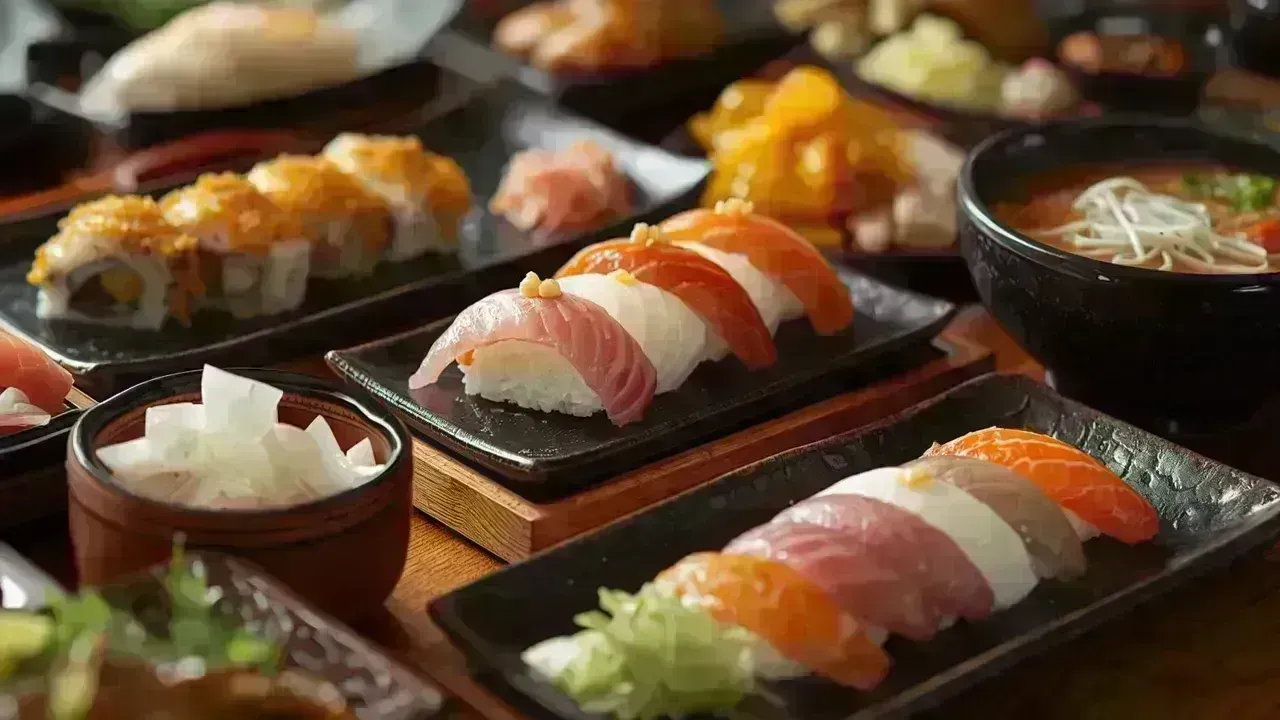
Post by : Sami Jeet
Japanese cuisine is characterized not by overwhelming spices or intricate techniques, but by its unwavering connection to nature. Each dish exemplifies a commitment to seasonality, geography, and ingredient integrity. Local ingredients decisively influence flavors, textures, and aesthetics, enhancing rather than masking the natural taste. This approach fosters diverse regional food cultures across Japan, solidifying the connections between cuisine and geography.
Known as washoku, Japanese cuisine is celebrated globally for its balance, elegance, and alignment with nature. Its uniqueness is rooted in the use of local ingredients that vary by season and geography. From the rice cultivated in certain valleys to seafood drawn from nearby waters, each component embodies its origin's identity. The essence of traditional Japanese cooking lies in prioritizing freshness and natural flavors, allowing local produce to dictate the meal. This article examines how local ingredients shape traditional Japanese cuisine and highlights their role in its authenticity and global appeal.
Rice serves not merely as a side but as the cornerstone of Japanese culinary culture, holding deep nutritional and cultural significance.
Why local rice is essential
Unique rice varieties thrive across different regions in Japan, with local soil and climate shaping their texture, sweetness, and aroma.
Identifying features of Japanese rice
• Short-grain, sticky texture
• Subtle natural sweetness
• Soft yet firm consistency
Rice's role in traditional dishes
• Served plain to emphasize quality
• Integral in sushi, rice bowls, and onigiri
• Central to both everyday and ceremonial meals
The quality of local rice significantly enhances the overall dining experience, with even the simplest meals dependent on its preparation.
With its expansive coastline, seafood is pivotal in Japan’s traditional diet, particularly in coastal regions that rely heavily on local catches.
The significance of fresh, local seafood
Japanese culinary culture prioritizes freshness, often opting to serve seafood in its raw or minimally cooked form, underscoring the need for local sourcing.
Typical local seafood components
• Tuna, mackerel, sardines
• Sea bream and yellowtail
• Shellfish and seaweed
Regional uniqueness in seafood
• Coastal towns focus on specific types of fish
• Inland areas emphasize preserved seafood
• Preparation styles mirror local availability
Flavor and quality are influenced by water temperature and region, resulting in distinct local food identities.
In Japanese cuisine, vegetable selection is guided by the seasons and local availability, rather than a constant supply.
Importance of seasonality
Seasonal vegetables tend to be fresher, more flavorful, and nutritionally superior. Japanese cooking wholeheartedly embraces this natural rhythm.
Examples of seasonal vegetables
• Bamboo shoots in spring
• Eggplant and cucumber in summer
• Mushrooms and root vegetables in autumn
• Daikon radish and leafy greens in winter
Mountain and rural influences
Inland regions depend on mountain vegetables and wild greens, crafting dishes that contrast with coastal cuisine.
Japanese cuisine is distinguished by fermentation processes heavily influenced by local environments.
Key fermented staples
• Miso
• Soy sauce
• Rice vinegar
• Pickled vegetables
The importance of local conditions
Temperature and humidity impact fermentation, leading to regional variations in flavor profiles.
Flavor implications
• Introduces umami depth
• Extends shelf life
• Adds complexity without excessive seasoning
Fermented foods are foundational in Japanese seasoning, eliminating the need for heavy spices.
Dashi, a fundamental broth made from local ingredients, is essential in Japanese cooking.
Common dashi ingredients
• Kelp
• Dried fish flakes
• Dried anchovies
The significance of local sourcing
Dashi's quality hinges on the purity and freshness of its components, with regional variations reflecting available ingredients.
The role of dashi
• Basis for soups and stews
• Enhances natural flavors
• Provides umami without heaviness
Dashi showcases ingredients, allowing them to shine without overpowering.
Culinary diversity exists across Japan, influenced by climate and available resources.
Regional culinary examples
• Coastal areas emphasize seafood-centric dishes
• Mountain regions focus on preserved foods and vegetables
• Northern zones produce hearty, warming meals
• Southern areas prefer lighter flavors
Local pride in culinary heritage
Communities uphold traditional recipes passed down generations, maintaining vibrant regional food cultures.
Japanese cooking techniques focus on honoring ingredients rather than altering them drastically.
Common cooking methods
• Grilling
• Steaming
• Simmering
• Raw preparation
The significance of simplicity
Minimalistic cooking underscores freshness, texture, and inherent sweetness, making ingredient quality paramount.
Visual presentation in Japanese cuisine strongly reflects natural elements.
Influence of local ingredients on presentation
• Seasonal colors on the plate
• Retention of natural shapes
• Use of locally-crafted ceramics
Food presentation conveys the essence of the season, region, and origin, creating a comprehensive sensory experience.
The values within Japanese food culture emphasize respect, balance, and sustainability.
Cultural philosophies
• Respect for farmers and fishermen
• Minimization of waste
• Acknowledgment of seasonal cycles
Local ingredients support sustainable practices, strengthening community-centric food systems.
Authentic flavors of Japanese cuisine are challenging to replicate abroad without the original ingredients.
Reasons underpinning authenticity based on locality
• Freshness varies by region
• Fermentation characteristics shift with environment
• Substitutes lack the original flavor complexity
Genuine Japanese cuisine mirrors its geographic origins, beyond mere recipes.
Japanese cuisine has achieved global prominence due to its ingredient-focused approach.
What makes it remarkable
• Clean, balanced flavors
• A focus on nutritional mindfulness
• Deep-rooted cultural connections
This philosophy has notably influenced contemporary culinary trends worldwide.
Traditional Japanese cuisine is inextricably linked to the local ingredients that shape it. From regionally grown rice to seafood sourced from coastal waters, seasonal vegetables, and naturally fermented seasonings contribute to its distinctive character. Rather than relying on spicy or complex preparations, Japanese cooking celebrates simplicity, freshness, and a profound connection to nature. Exploring how local ingredients define Japanese cuisine fosters a richer appreciation of its authenticity, regional diversity, and cultural richness. This reverence for place and season renders Japanese food authentically unique and enduring.
This article serves informational purposes only. The availability of specific ingredients, preparation methods, and regional food customs may vary. Readers are encouraged to delve into authentic local experiences and consider dietary preferences when exploring traditional culinary practices.










Anticipated Dates for UAE Eid Al Adha 2026 Unveiled by Astronomical Experts
Experts predict Eid Al Adha 2026 in the UAE to start on May 27, prompting early holiday planning amo

DAE Achieves Remarkable Growth in Q1 2026 With Record Revenue
Dubai Aerospace Enterprise announces impressive financial results for Q1 2026, reflecting a surge in

Price Increase for Sony PS5 in Southeast Asia Effective May 1
Sony announces a price increase for the PS5 across Southeast Asia starting May 1, 2026, impacting ga

Potential ‘Super El Niño’ in 2026: Understanding the Climate Risks
Could a Super El Niño emerge in 2026? Discover its implications and potential global climate impacts

Global Energy Crisis Intensifies: Markets React to Oil Supply Challenges
Markets are on edge as oil disruptions escalate, influencing prices and economic stability. Explore

Must-See Tourist Spots in London You Can't Overlook
Explore London's essential attractions, from royal landmarks to vibrant markets, ensuring an unforge




