Post by : Saif Nasser
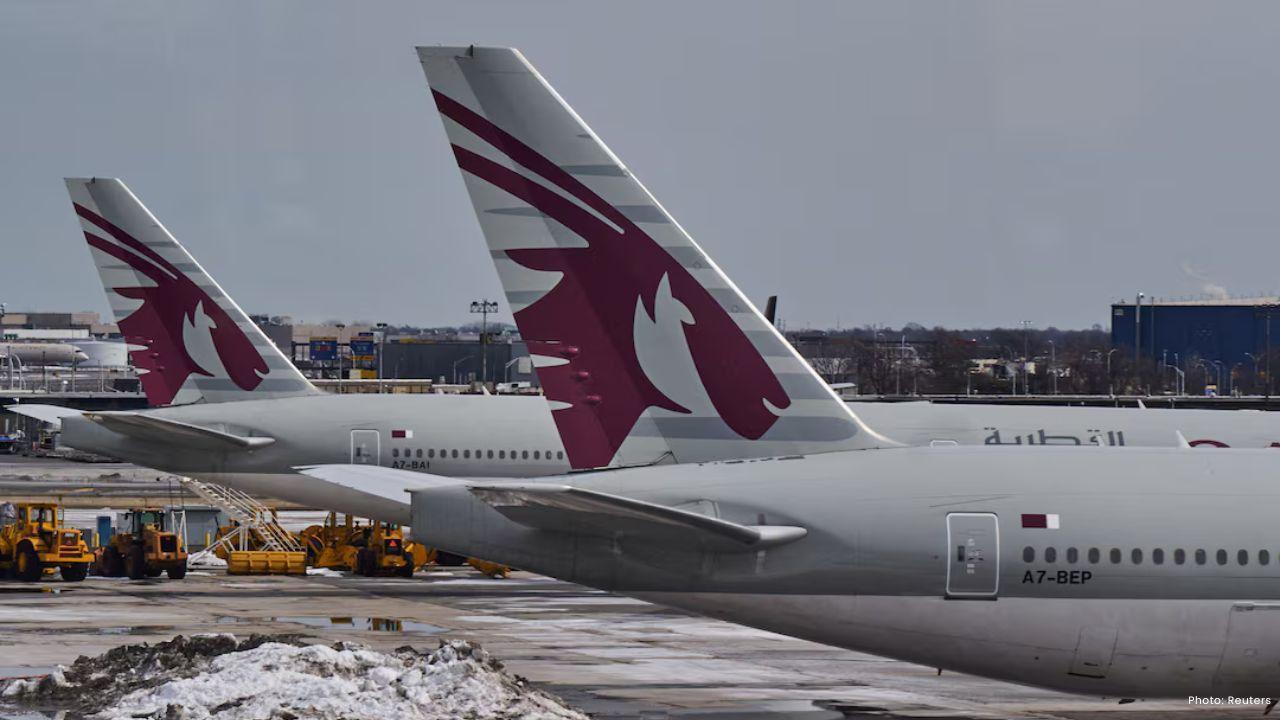
Airline ticket prices between Asia and Europe have increased sharply after several major airports in the Gulf region were shut down due to rising conflict in the Middle East. The sudden closures have disrupted key flight paths and forced airlines to take longer, more expensive routes.
The Gulf region plays an important role in global air travel. Airports in cities such as Dubai, Abu Dhabi and Doha act as major hubs connecting passengers from Asia to Europe and beyond. When airspace restrictions and airport shutdowns were announced, airlines had to quickly cancel or reroute many flights.
Instead of flying directly over the Gulf region, aircraft are now taking longer paths to avoid unsafe areas. These detours add extra flying time and increase fuel use. Longer flights also mean higher operating costs for airlines. As a result, ticket prices on many Asia–Europe routes have jumped.
Travel experts say fares on some routes have risen by 20 to 40 percent within days. Popular connections between cities in East Asia and Western Europe are among the hardest hit. Passengers searching for last-minute tickets are facing even higher prices due to limited seat availability.
The rise in fares is mainly driven by supply and demand. With some flights cancelled and fewer seats available, competition for remaining tickets has grown. When demand stays strong but supply drops, prices usually increase. This basic market rule is now being seen clearly in international air travel.
For many travelers, the higher prices have caused stress and frustration. Business travelers must still attend meetings. Students studying abroad need to return to campus. Families planning holidays are reconsidering their travel budgets. Some passengers are choosing flights with multiple stopovers or longer layovers to save money.
Airlines say safety is their top concern. Flying near active conflict zones is risky, and carriers must follow international aviation safety rules. Although rerouting flights raises costs, companies believe passenger safety cannot be compromised.
The impact goes beyond travelers. Higher airfares also affect cargo shipments. Many goods, including electronics and medical supplies, are transported by air. When flight costs rise, shipping becomes more expensive. Businesses may pass these extra costs on to customers, which could increase prices of certain products.
The disruption also highlights how important the Gulf region is to global aviation. Its central location makes it a natural meeting point between continents. When this region faces instability, the effects are felt worldwide.
Experts believe ticket prices could return to normal if airports reopen fully and safe air corridors are restored. However, if tensions continue, airlines may keep operating limited services, and fares could remain high.
Governments have advised travelers to check updates from airlines and airports before heading out. Flexibility in travel plans may help reduce inconvenience during this uncertain period.
For now, the sudden rise in ticket prices is a reminder of how quickly global events can change everyday life. A conflict in one region can affect travel, trade and personal plans across continents. Until stability returns, passengers flying between Asia and Europe should expect higher fares and longer journeys.








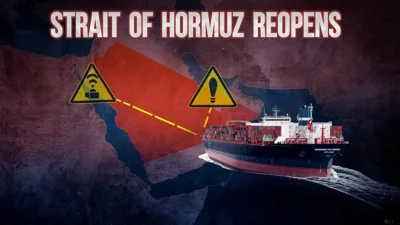
Reopening of the Strait of Hormuz: New Regulations to Impact Global Trade
Iran reopens the strategic Strait of Hormuz with new regulations affecting oil transport and global

Top 10 Must-See Attractions in NYC for First-Time Explorers
Discover essential experiences for first-time visitors to NYC, including attractions, culture, and i

Starbucks Engages Boyu Capital for Major Chinese Expansion
Starbucks teams up with Boyu Capital, selling a majority stake to boost growth and adapt to the Chin

Three Individuals Charged in Massive Meth Trafficking Case in Malaysia
In Malaysia, a married couple and another suspect are charged with trafficking 510kg of meth, facing
Singapore Police Revisit Geylang Murder Scene with Suspect
In Geylang, police return a murder suspect to the scene of a crime involving the fatal stabbing of a