Post by : Saif Nasser
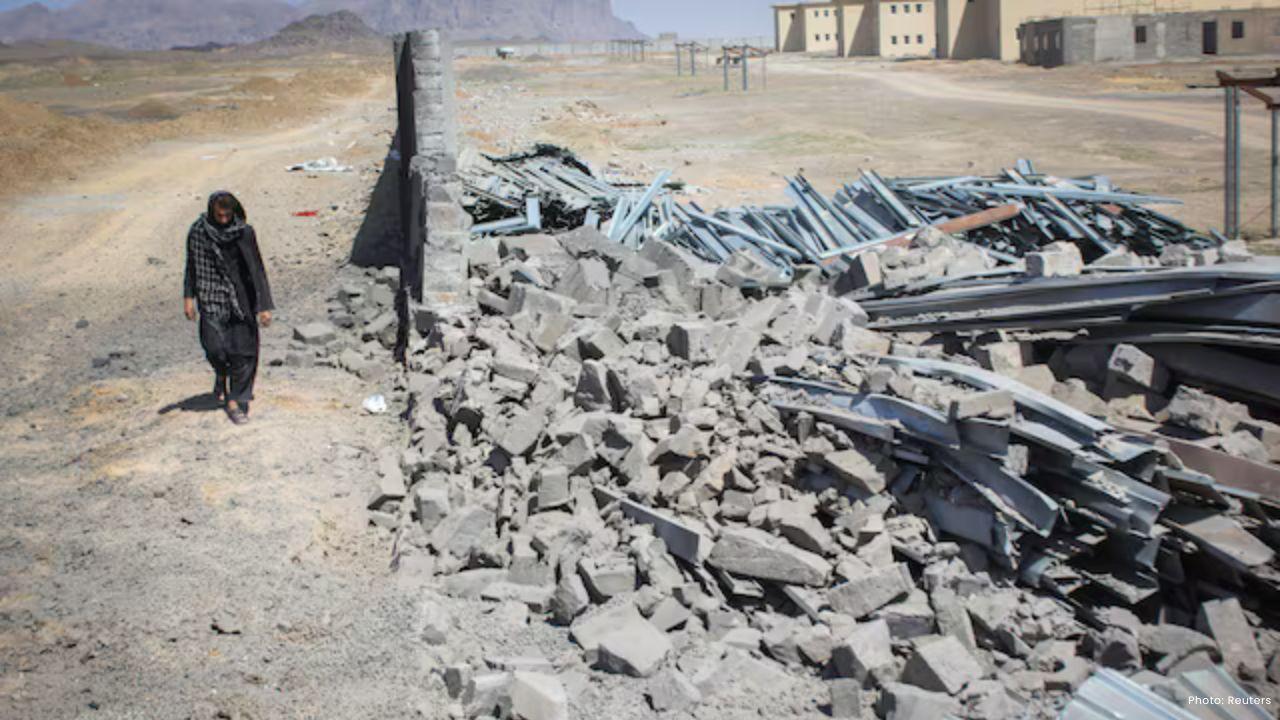
Fighting between armed groups and security forces along the border between Afghanistan and Pakistan has turned deadly for civilians, according to a United Nations agency. At least 42 civilians have been killed and dozens more hurt in recent clashes. The fighting has also forced many families to flee their homes to seek safety.
The conflict has taken place in areas near the border, where Taliban-linked fighters and Pakistani security forces have been engaged in renewed military action. Many of the victims were women and children, according to the UN agency that monitors humanitarian needs and civilian casualties. Houses, schools and other buildings in local villages have been damaged or destroyed, leaving families without shelter or basic services.
The United Nations agency expressed deep concern about the civilian toll. It said that renewed fighting has made life even harder for people who were already struggling with poverty, lack of healthcare, and limited food supplies. Many families have had to leave behind their farms, shops and belongings as they flee to safer areas.
The deaths occurred over several days as clashes continued in the mountainous border region. The terrain between Afghanistan and Pakistan is rugged, and many communities live in small villages with limited access to roads and services. When violence breaks out, it becomes especially difficult to help those in need.
Local leaders and aid workers report that the conflict has disrupted daily life for thousands of people. Children have had to stop going to school due to safety fears, and families are struggling to find enough food and clean water. Some displaced people are now living in makeshift tents with few resources.
The United Nations agency urged all sides to protect civilians and allow safe passage for families trying to escape the fighting. It also called for unrestricted access for humanitarian workers so they can deliver food, medicine, and other essential aid to those affected.
This is not the first time the Afghanistan-Pakistan border area has seen violence. The region has a long history of militant groups operating across the frontier, and the local population has often borne the brunt of clashes. Border security is complex, with both governments trying to control movement and prevent attacks. However, frequent outbreaks of fighting have caused recurring suffering for civilians.
Human rights organizations have also raised concern about the rising toll on non-combatants. They stress that international laws are meant to protect civilians during conflicts and that all parties must make efforts to avoid civilian harm. They say attacks on homes, markets and schools only deepen the humanitarian crisis.
Aid agencies warn that the longer the violence continues, the worse the conditions will become for families already living in hardship. Many displaced people are now without stable shelter and face harsh weather conditions. Limited access to healthcare makes it harder to treat the wounded and care for sick children and elderly people.
The impact on local economies is also severe. Markets and farms have shut down, reducing income for families who depended on them for survival. Some businesses may never recover if peace and stability do not return soon.
Officials from both Afghanistan and Pakistan have expressed different views on who is responsible for the fighting. Each side has blamed the other or linked groups operating from across the border. Bringing peace to the region will likely require diplomatic talks and cooperation between the two governments, as well as efforts to reduce the influence of armed groups.
For now, displaced families remain uncertain about their future. Many have nowhere to return and fear further violence if they try to go back. Humanitarian workers are doing what they can to help, but their reach is limited by security challenges.
The United Nations and other international partners continue to call for calm and protection of civilians. They stress that basic human rights should be respected even in conflict zones. The loss of life, especially among women and children, highlights the urgent need for solutions that protect innocent people and provide a path toward peace and stability in the region.








Reopening of the Strait of Hormuz: New Regulations to Impact Global Trade
Iran reopens the strategic Strait of Hormuz with new regulations affecting oil transport and global

Top 10 Must-See Attractions in NYC for First-Time Explorers
Discover essential experiences for first-time visitors to NYC, including attractions, culture, and i

Starbucks Engages Boyu Capital for Major Chinese Expansion
Starbucks teams up with Boyu Capital, selling a majority stake to boost growth and adapt to the Chin

Three Individuals Charged in Massive Meth Trafficking Case in Malaysia
In Malaysia, a married couple and another suspect are charged with trafficking 510kg of meth, facing

Singapore Police Revisit Geylang Murder Scene with Suspect
In Geylang, police return a murder suspect to the scene of a crime involving the fatal stabbing of a