Post by : Saif Nasser
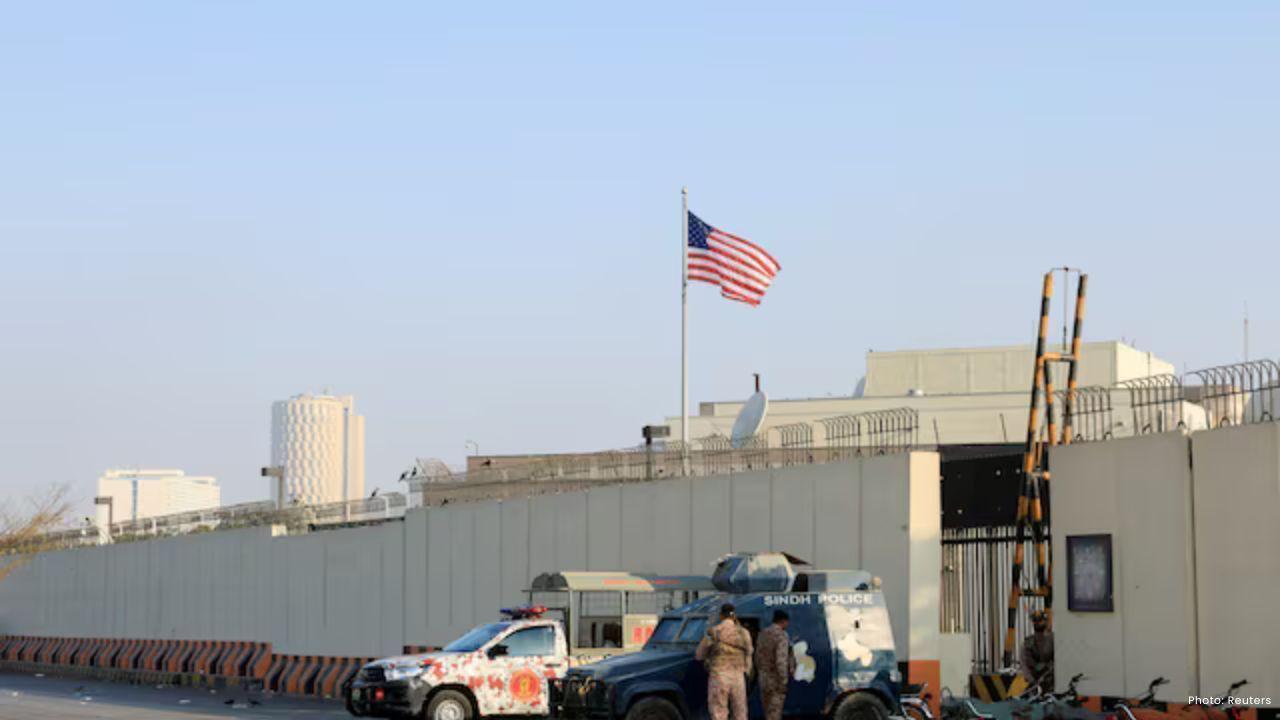
Protests in the Pakistani city of Karachi turned violent when a large group of demonstrators stormed the compound of the United States consulate. According to Pakistani officials, U.S. Marines fired warning shots into the air to push back the crowd. No Americans were reported injured in the incident, but several protesters were hurt as security forces worked to regain control.
The clash happened after a protest began near the consulate. Demonstrators were angry about the ongoing conflict in the Middle East. Demonstrators shouted slogans and waved banners as they gathered outside the diplomatic mission. The protest grew quickly and some members of the crowd moved toward the consulate’s gate.
As the crowd pushed forward, Pakistani security forces and U.S. Marine guards tried to stop them from entering the compound. Witnesses said protesters managed to breach the outer gate and make their way inside the consulate area. In response, U.S. Marines fired warning shots into the ground and the air to create space and force the crowd back.
Officials said the situation was chaotic for a time, but host country security forces worked with the Marines to clear the consulate grounds and restore order. Several protesters were hurt when forces used batons and tear gas to push back the crowd. Pakistani police later detained many people connected to the incident.
The United States condemned the storming of its diplomatic mission and said attacking embassies or consulates is never acceptable. The U.S. State Department called the incident a serious breach of international diplomatic norms, and it warned that diplomatic facilities must be protected under international law.
Such attacks on diplomatic missions are rare and are considered a violation of international agreements. Embassies and consulates are meant to be safe places where diplomats can work without fear of violent intrusion. Storming a diplomatic compound can have heavy political consequences and strain relationships between countries.
In response to the protest, Pakistan’s foreign ministry said it regretted the violence and pledged to ensure the safety of diplomatic sites in the future. Officials said they would investigate how the breach occurred and would hold those responsible to account. Pakistani leaders emphasised that peaceful protest is a right, but violence and attacks on foreign missions are not acceptable.
Many analysts say the protest reflects growing public anger in Pakistan over foreign policy issues. Citizens in many countries have been more vocal about global conflicts, and demonstrations have taken place in several cities. In Karachi, the mix of anger and frustration spilled over into violence that crossed the line into a serious security threat.
International diplomatic missions often become flashpoints during times of global tension. When people are angry about events abroad, they sometimes express that anger near foreign offices, even if those missions are not directly responsible for the policies being protested.
Despite the chaos, officials confirmed that no American staff were injured and that the U.S. consulate remains operational. Emergency measures were taken quickly to secure the site and evacuate staff if needed.
The Karachi incident has raised questions about security arrangements at diplomatic sites around the world. Many governments may review how they protect their missions in countries where tensions are high. Ensuring the safety of diplomatic staff and visitors is a core responsibility of host nations under international law.
Some human rights groups have called for peaceful protest and dialogue rather than violence. They argue that strong feelings about foreign policy should be expressed in ways that do not endanger lives or damage important international relationships.
The world will be watching closely as officials in Pakistan and the United States work to address the aftermath of the storming. How they handle the situation may affect not only diplomatic ties but also how similar protests are managed in the future.






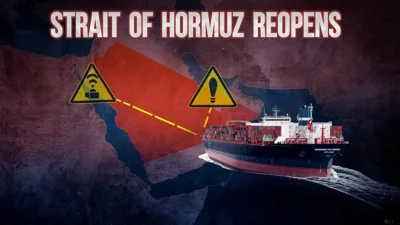
Reopening of the Strait of Hormuz: New Regulations to Impact Global Trade
Iran reopens the strategic Strait of Hormuz with new regulations affecting oil transport and global

Top 10 Must-See Attractions in NYC for First-Time Explorers
Discover essential experiences for first-time visitors to NYC, including attractions, culture, and i

Starbucks Engages Boyu Capital for Major Chinese Expansion
Starbucks teams up with Boyu Capital, selling a majority stake to boost growth and adapt to the Chin

Three Individuals Charged in Massive Meth Trafficking Case in Malaysia
In Malaysia, a married couple and another suspect are charged with trafficking 510kg of meth, facing
Singapore Police Revisit Geylang Murder Scene with Suspect
In Geylang, police return a murder suspect to the scene of a crime involving the fatal stabbing of a