Post by : Saif Nasser
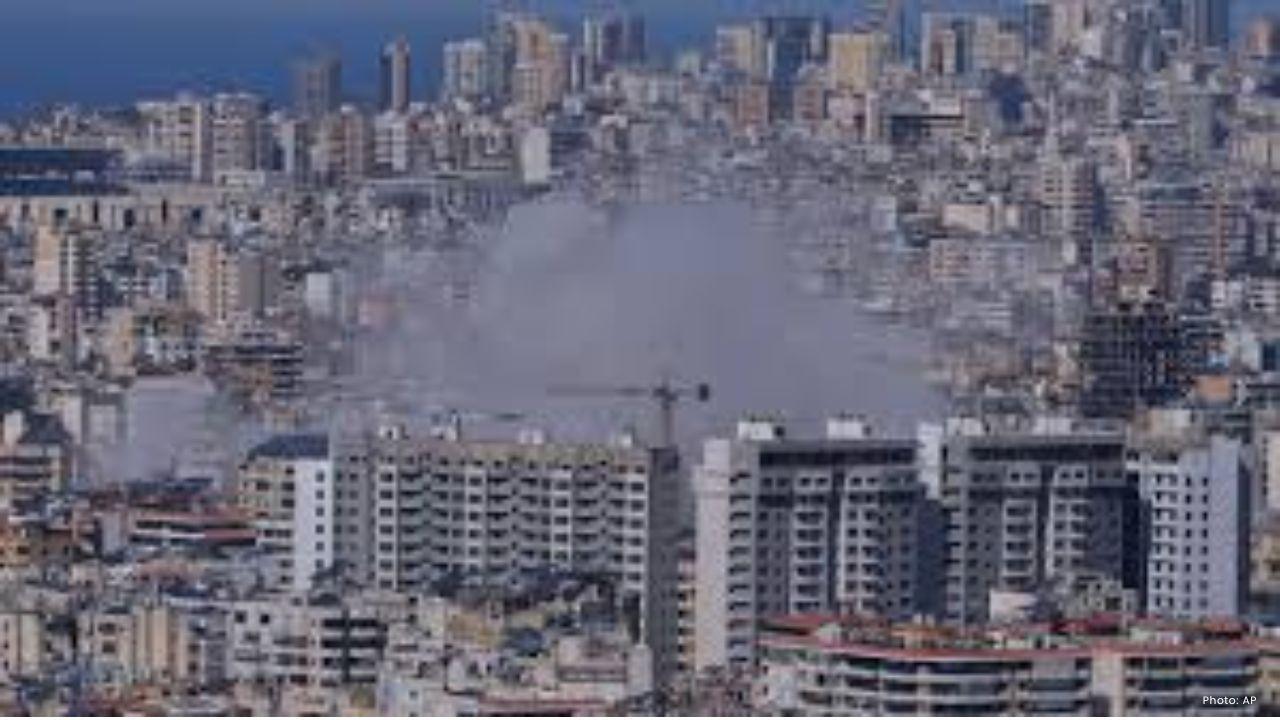
Lebanon is facing a dangerous new chapter in an old conflict. Recent clashes between the militia group Hezbollah and the Israeli military have sent shockwaves through the country, forced thousands of civilians to flee their homes, and prompted Lebanon’s government to take the rare step of strongly condemning the armed group’s actions. This marks a deep political shift inside Lebanon during a time of rising regional tensions.
The situation escalated after Hezbollah, a powerful Iran-aligned group, launched rockets and drones toward northern Israel. The group said these attacks were in response to military actions against Iran. In retaliation, the Israeli military carried out heavy airstrikes on Hezbollah-linked positions in Lebanon, including parts of Beirut and southern areas near the border. Lebanese health officials say more than 50 people were killed and at least 154 were injured in these strikes, while many more have fled their homes to seek safety.
Lebanon’s prime minister took an unusual public stand against Hezbollah’s offensive actions. He said the group’s missile and drone strikes were irresponsible and dangerous for the country’s security and stability. The government has declared that only the Lebanese state — not any armed group — should decide matters of war and peace. For the first time in years, some Lebanese leaders have pushed to ban Hezbollah’s military activities, arguing that the group’s actions put the entire nation at risk.
Thousands of Lebanese civilians have been displaced by the violence. Families from southern Lebanon and the southern suburbs of Beirut packed vehicles and sought shelter in safer areas, including schools, community centers, and with relatives inside the capital. Many roads out of conflict zones were crowded with traffic as residents tried to escape the danger.
The humanitarian impact has been severe. Reports describe damaged buildings, shut-down schools, and local markets that have closed due to fear and damage from airstrikes. Health care workers and volunteers are struggling to care for the wounded as hospitals fill up. Some families have fled to northern parts of Lebanon or crossed into other areas to avoid the fighting.
Hezbollah is one of Lebanon’s most powerful political and military forces and has previously fought wars with Israel. But this latest escalation comes amid a wider regional conflict involving Iran and Israel. Hezbollah’s decision to fire missiles and drones toward Israel broke the fragile balance that many Lebanese hoped would keep their country out of wider wars.
Lebanon’s leaders have taken a strong political stance against Hezbollah’s actions. They argued that the group’s military operations violated Lebanon’s sovereignty and that the state must have full authority over security matters. The government’s move to limit or ban Hezbollah’s military role signals deep internal divisions and frustration with the militia’s decision to act independently.
For many Lebanese citizens, the violence has brought painful memories of past conflicts. The country has previously been a battlefield for wars with Israel and internal disagreements involving armed groups. These clashes have left lasting scars on communities, economic hardship, and long-standing tensions between political leaders.
International voices have also weighed in. Many foreign governments and aid organizations are calling for calm and urging all sides to avoid further escalation. The United Nations and other groups have expressed concern for civilians caught in the crossfire and stressed the importance of protecting non-combatants in times of war.
The current conflict in Lebanon comes during a period of instability across the wider Middle East. Rising tensions involving Iran, Israel, and other regional powers have ignited violence in multiple countries and raised fears of a broader war that could affect more nations and civilian populations.
As the situation develops, many Lebanese families are hoping for peace and an end to the fighting. For now, the focus remains on safety, protecting civilians, and finding ways to stop a conflict that threatens to pull the entire country deeper into violence.





Achieve Radiant Skin with This Simple Rice Flour Treatment
Transform your skincare routine! Discover how a rice flour mix can restore your skin's glow without

Meta Unveils Subscription Plans for Instagram, Facebook, and WhatsApp
Meta introduces new subscription plans for users of Instagram, Facebook, and WhatsApp, featuring enh
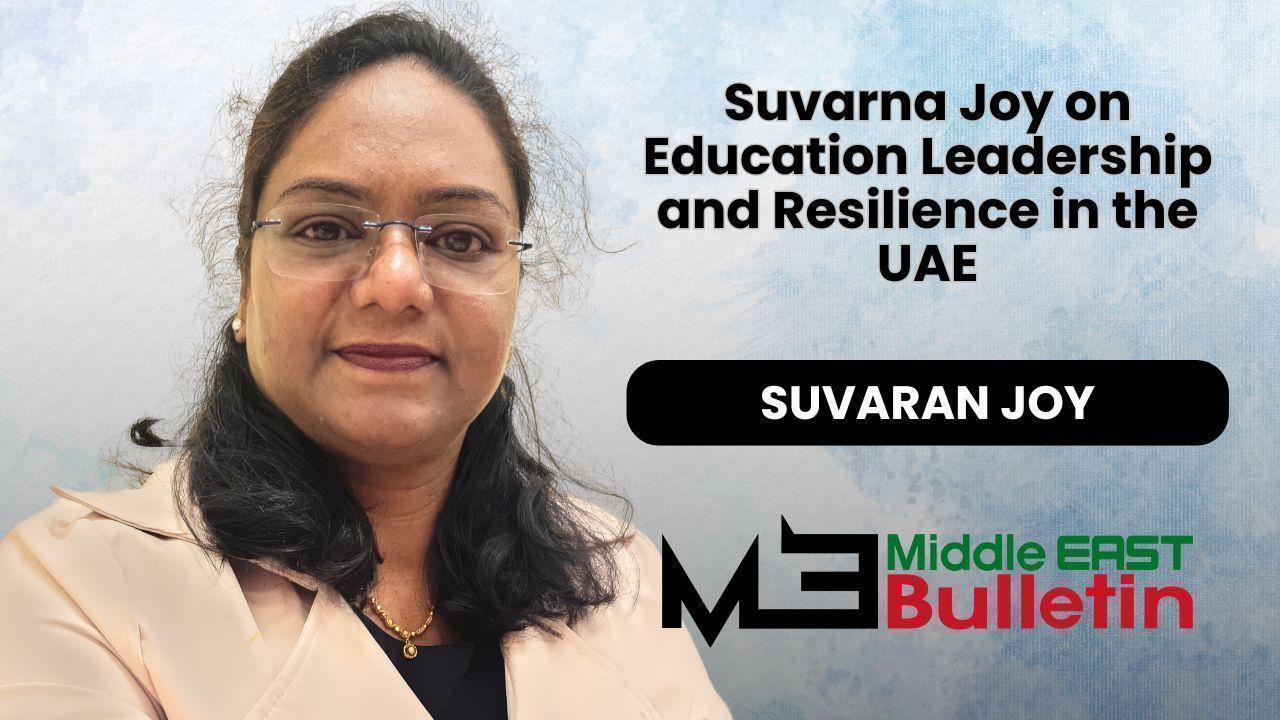
Suvarna Joy on Education Leadership, Resilience, and Building Purpose Through Adversity in the UAE
Suvarna Joy shares her journey of education leadership, motherhood, faith, and resilience within the

Anticipated Dates for UAE Eid Al Adha 2026 Unveiled by Astronomical Experts
Experts predict Eid Al Adha 2026 in the UAE to start on May 27, prompting early holiday planning amo

DAE Achieves Remarkable Growth in Q1 2026 With Record Revenue
Dubai Aerospace Enterprise announces impressive financial results for Q1 2026, reflecting a surge in

Price Increase for Sony PS5 in Southeast Asia Effective May 1
Sony announces a price increase for the PS5 across Southeast Asia starting May 1, 2026, impacting ga




