Post by : Saif Nasser
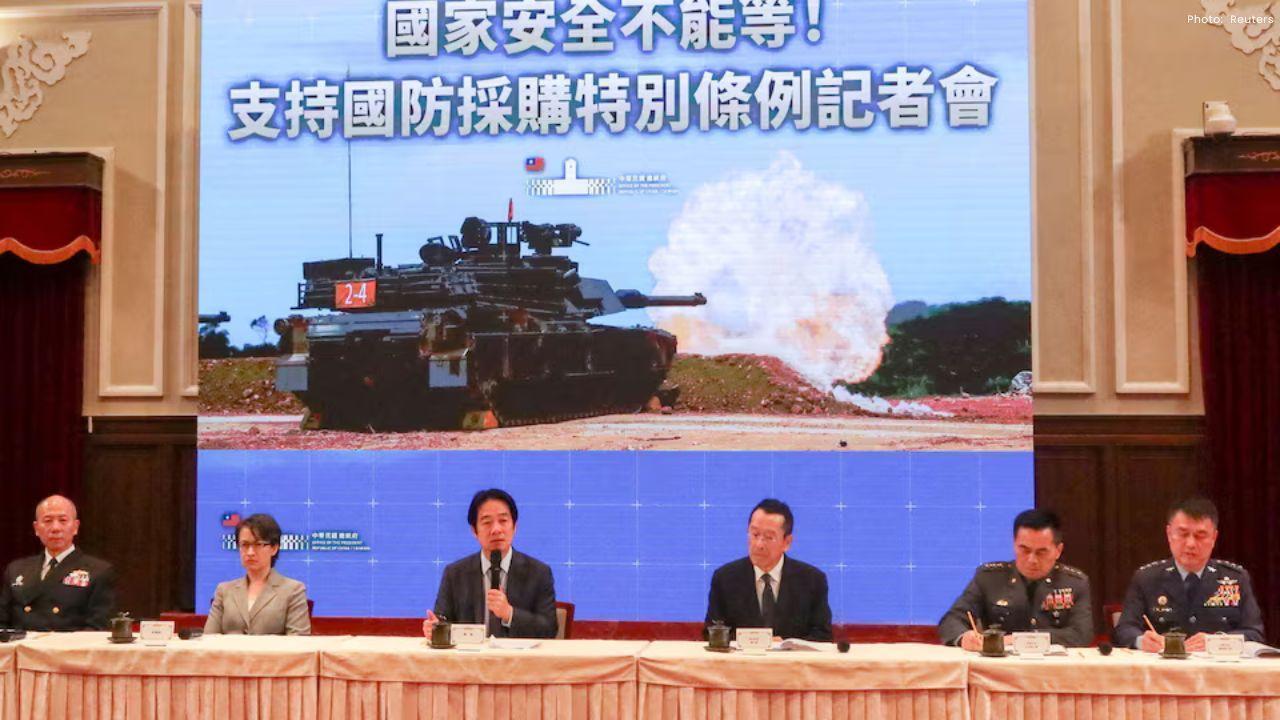
Taiwan’s parliament is set to take up a long-delayed defence spending plan as soon as lawmakers return from the Lunar New Year break. The proposal, worth about $40 billion, has become a key political and security issue for the island at a time of rising military pressure from China and growing concern from the United States.
President Lai Ching-te first introduced the special defence budget last year. The plan aims to speed up the purchase of weapons and military systems, many of them from the United States, and to strengthen Taiwan’s ability to defend itself. The government says the extra funds are needed because the security environment around Taiwan has become more dangerous and uncertain.
However, the proposal has been stuck in parliament for months. Opposition parties, which control a majority of seats, did not move forward with a full review. Instead, they pushed smaller and cheaper alternatives that would only approve part of the weapons list. This created a political deadlock and raised questions about how quickly Taiwan can improve its defence readiness.
Parliament Speaker Han Kuo-yu and Deputy Speaker Johnny Chiang said after the holiday that the defence budget and related bills will be treated as a top priority. Both belong to the main opposition party, the Kuomintang. They said they will help arrange cross-party talks so that lawmakers can debate and review the proposal without further delay. Their message signals a possible shift from earlier resistance toward a more active discussion.
Pressure has also come from overseas. A bipartisan group of lawmakers from the United States Congress recently wrote to senior Taiwanese political leaders. In their letter, they expressed concern that the defence budget was being stalled. They stressed that Taiwan’s security is closely linked to stability in the wider Indo-Pacific region and said delays could send the wrong signal at a sensitive time.
The United States is Taiwan’s most important security partner and main arms supplier, even though the two sides do not have formal diplomatic ties. Recent US administrations have urged partners and allies to spend more on their own defence. Taiwan’s current government has publicly agreed with that approach and has promised to raise military spending step by step.
China continues to claim Taiwan as its territory and has not ruled out using force to take control of the island. In recent years, Chinese military aircraft and ships have increased their activities near Taiwan. These moves are often seen by security experts as a form of pressure and warning. Taiwan’s government says this is exactly why faster defence upgrades are necessary.
President Lai has repeatedly said he is open to talks with Beijing, but only if they are conducted on equal terms and with respect for Taiwan’s democratic system. So far, those offers have not been accepted. He also says that the future of Taiwan should be decided only by its people, not by outside pressure.
The coming parliamentary session will show whether political rivals can find common ground on national defence. Supporters of the full budget argue that security should not become a victim of party politics. They say weapons orders, training programs, and defence projects take years to complete, and every delay today creates risk tomorrow.
Critics, however, say large defence packages must be checked carefully. They want strict oversight, clear pricing, and proof that each purchase is truly needed. They also worry about public finances and want to balance military spending with social and economic needs.
This debate is normal in a democracy, but timing matters. Taiwan faces real security challenges, and its partners are watching closely. If lawmakers can move from delay to decision, it may strengthen both Taiwan’s defence posture and international confidence. If the deadlock continues, doubts may grow at home and abroad.
In the end, the issue is larger than one budget bill. It is about how a democratic society prepares for risk, manages political differences, and protects its future in a tense region.







Starbucks Engages Boyu Capital for Major Chinese Expansion
Starbucks teams up with Boyu Capital, selling a majority stake to boost growth and adapt to the Chin

Three Individuals Charged in Massive Meth Trafficking Case in Malaysia
In Malaysia, a married couple and another suspect are charged with trafficking 510kg of meth, facing
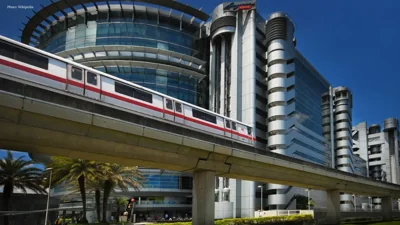
Singapore Police Revisit Geylang Murder Scene with Suspect
In Geylang, police return a murder suspect to the scene of a crime involving the fatal stabbing of a

Mattel Revives Masters of the Universe Action Figures Ahead of Film Launch
Mattel is reintroducing Masters of the Universe figures in line with its upcoming film, tapping into
China Executes 11 Members of Criminal Clan Linked to Myanmar Scam
China has executed 11 criminals associated with the Ming family, known for major scams and human tra