Post by : Saif Nasser
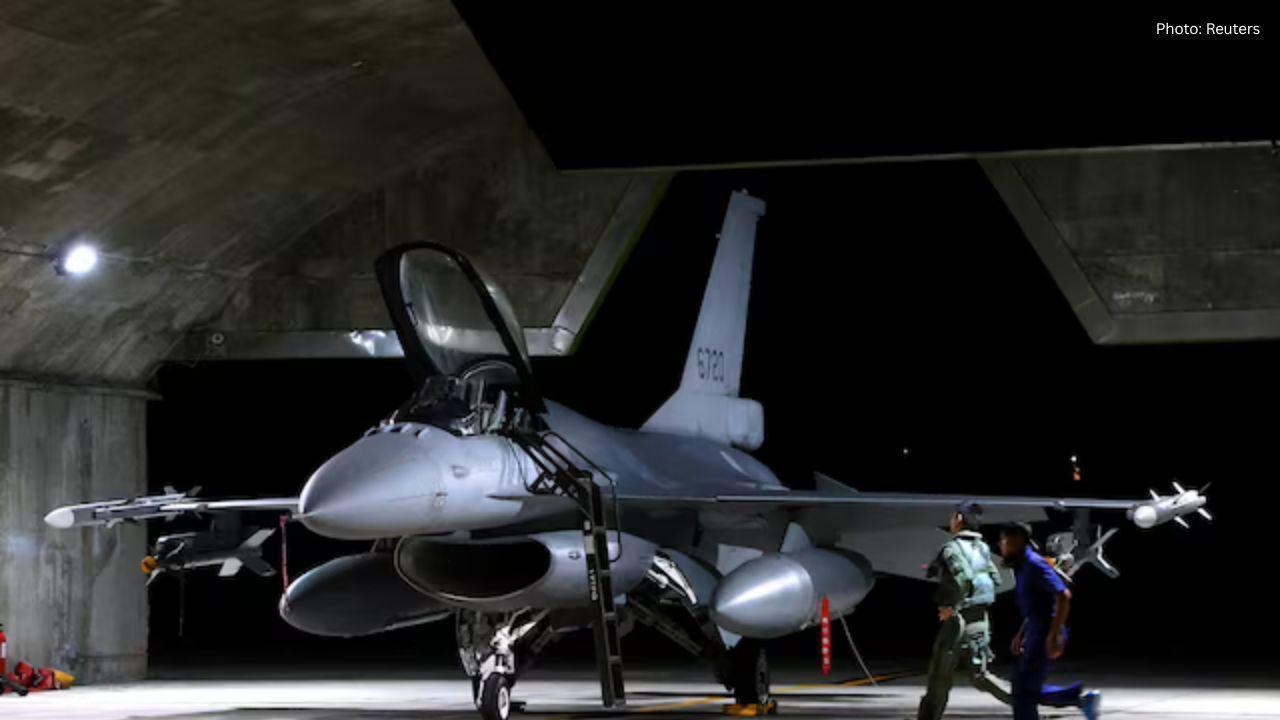
The United States is increasing efforts to speed up the delivery of F-16 fighter jets to Taiwan after several delays caused by production and supply chain problems. Taiwan’s defence ministry said on Monday that American contractors are now working overtime to meet the island’s urgent defence needs as tensions with China continue to grow.
Taiwan had ordered 66 new F-16V fighter jets from the U.S., made by Lockheed Martin, to strengthen its air force against potential military threats from Beijing. These jets, known for their advanced radar and targeting systems, were expected to arrive by the end of 2026. However, the delivery has been delayed due to production line changes and disruptions.
To fix the delay, U.S. contractors have started working longer shifts — up to 20 hours a day — to speed up manufacturing. Taiwan’s Defence Minister Wellington Koo told lawmakers that both countries are closely monitoring the progress to make sure the jets are ready as soon as possible. He confirmed that 50 of the planes are already on the production line, with 10 of them expected to begin flight tests this year before being delivered in 2026.
“We hope that all possible efforts will be made to speed up the deliveries,” Koo said during a parliamentary session.
The ministry’s report also mentioned that the delivery of other U.S.-made weapons has been delayed for similar reasons. These include 24 MK-48 torpedoes, which were supposed to arrive by 2026 but will now be delivered between 2026 and 2028. Lockheed Martin, which also produces these torpedoes, has not commented on the delay.
Another major delay involves the AGM-154C Joint Standoff glide bombs, built by Raytheon. These advanced long-range weapons were expected to be delivered by the end of 2026, but supply chain problems have now pushed the date to between 2027 and 2028. Raytheon also did not immediately respond to requests for comment.
Despite these setbacks, not all U.S. weapon shipments to Taiwan have been affected. Deliveries of the High Mobility Artillery Rocket Systems (HIMARS) are actually ahead of schedule. Out of the 29 HIMARS units ordered, 11 have already been delivered, while the remaining 18 are expected to reach Taiwan by the end of 2026 — earlier than first planned.
In May 2025, Taiwan test-fired the HIMARS system for the first time. This rocket system has gained global attention for its use by Ukraine in the war against Russia and is considered a key weapon for Taiwan’s defence strategy. Military analysts say that in the event of a conflict, Taiwan could use HIMARS to target key Chinese military installations from a distance.
The U.S. remains Taiwan’s main arms supplier and political supporter, even though Washington does not officially recognize Taiwan as a separate country. Beijing claims the island as part of its territory and has warned against foreign governments selling weapons to Taipei.
Taiwan has repeatedly said that the growing threat from China makes these weapons essential for maintaining peace and preventing invasion. President Lai Ching-te’s government has also increased its defence spending, focusing on modern weapons, missile systems, and domestic production of submarines and drones.
Analysts believe that while the U.S. is committed to supporting Taiwan, the global defence industry has been under pressure because of ongoing wars and material shortages. These challenges have affected production timelines worldwide, from aircraft to missile systems.
The delay in F-16 deliveries has been a concern in Taipei because these jets are crucial for replacing Taiwan’s older fleet and improving its ability to respond quickly to Chinese air activity near the island. Chinese military aircraft have regularly entered Taiwan’s air defense zone, forcing Taiwan to scramble its jets almost daily.
Despite the challenges, Taiwan’s defence ministry said it remains confident that the U.S. will meet its commitments. Officials said close coordination continues between both sides to overcome production issues and ensure the delivery of weapons that are vital for Taiwan’s security.
The cooperation between Washington and Taipei reflects the growing partnership between the two democracies amid rising regional tensions. As the U.S. speeds up its efforts, the delayed F-16s are expected to arrive just as Taiwan faces one of its most uncertain security periods in years.




Mattel Revives Masters of the Universe Action Figures Ahead of Film Launch
Mattel is reintroducing Masters of the Universe figures in line with its upcoming film, tapping into

China Executes 11 Members of Criminal Clan Linked to Myanmar Scam
China has executed 11 criminals associated with the Ming family, known for major scams and human tra
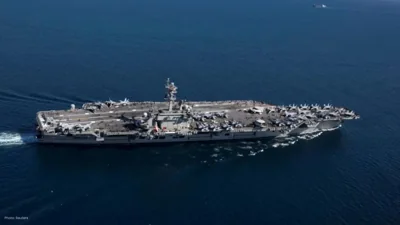
US Issues Alarm to Iran as Military Forces Deploy in Gulf Region
With a significant military presence in the Gulf, Trump urges Iran to negotiate a nuclear deal or fa
Copper Prices Reach Unprecedented Highs Amid Geopolitical Turmoil
Copper prices soar to all-time highs as geopolitical tensions and a weakening dollar boost investor

New Zealand Secures First Win Against India, Triumph by 50 Runs
New Zealand won the 4th T20I against India by 50 runs in Vizag. Despite Dube's impressive 65, India