Post by : Saif Nasser
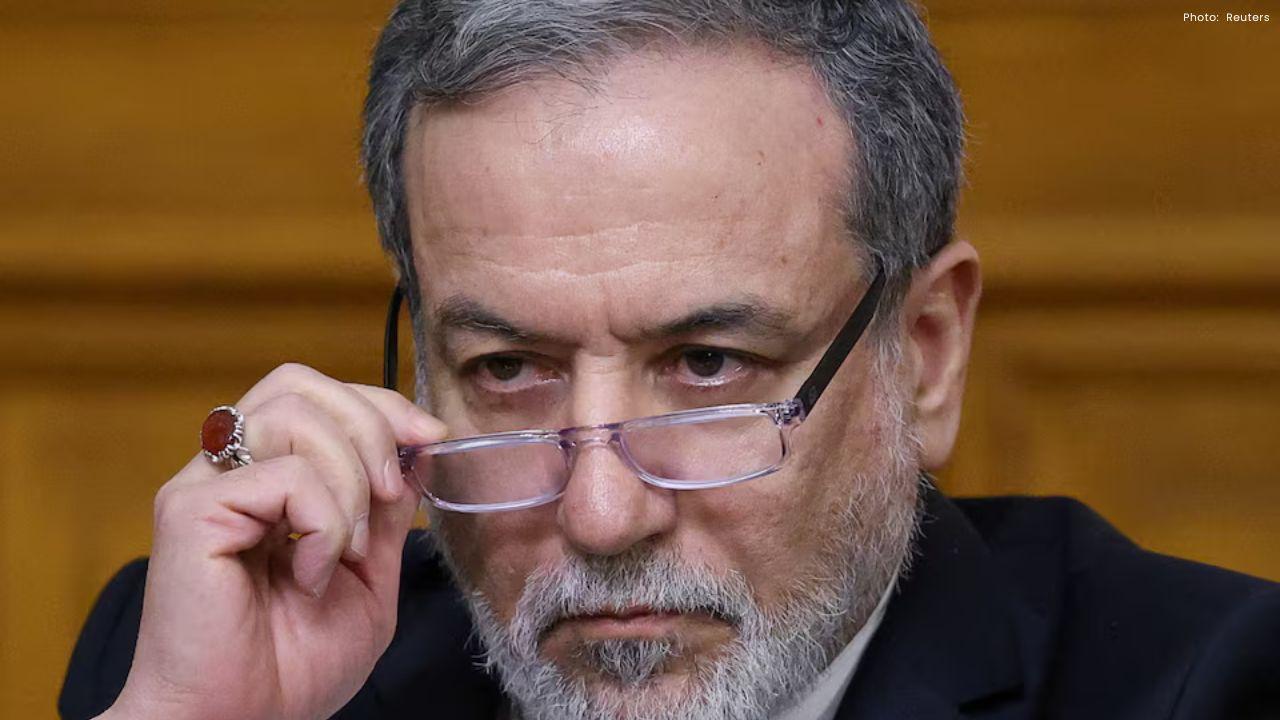
Iran’s Foreign Minister Abbas Araqchi says he will meet the head of the UN nuclear watchdog on Monday, just one day before a new round of nuclear talks between Iran and the United States in Geneva. The meeting is seen as an important step as both sides try to reduce tensions and avoid another military crisis in the region.
Araqchi confirmed that he plans to hold detailed technical discussions with Rafael Grossi, the director general of the International Atomic Energy Agency. He said nuclear experts will also attend the meeting. The timing is important because it comes right before the second round of renewed nuclear negotiations between Tehran and Washington.
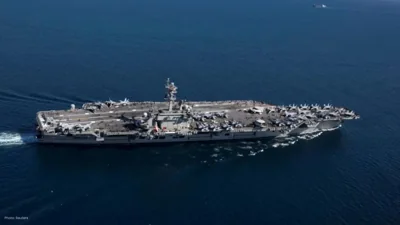
The United States and Iran restarted talks earlier this month after a long pause. Their dispute over Iran’s nuclear program has lasted for many years and has often brought the two countries close to open conflict. Recently, the U.S. increased its military presence in the region, sending more naval forces, including another aircraft carrier. This has added urgency to the diplomatic efforts.
Araqchi said he arrived in Geneva with what he called real and practical ideas for a fair agreement. He made it clear that Iran will not accept a deal made under threats or pressure. His message shows that Iran wants negotiations, but on terms it considers respectful and balanced.
One of the biggest disagreements is about uranium enrichment. The U.S. wants Iran to sharply limit or fully stop enrichment because it believes the process could be used to build nuclear weapons. Iran rejects that demand. Iranian leaders say their nuclear program is only for peaceful energy and civilian use. They say they are ready to give guarantees and build trust, but they will not accept a total ban on enrichment inside the country.
Washington also wants the talks to include other issues, such as Iran’s missile program and regional activities. Tehran refuses this wider scope and says the negotiations must focus only on nuclear limits and sanctions relief. This gap in goals makes the talks more difficult.
Another major problem is nuclear inspection. The IAEA has been asking Iran for clearer answers about the status of a large stockpile of highly enriched uranium after earlier strikes damaged key nuclear sites. The agency wants full inspection access restored at major facilities. Iran says some of those sites are currently unsafe and also argues that the watchdog must clearly state its position about the past attacks before inspections fully resume.
An earlier agreement between Iran and the nuclear watchdog was announced months ago and was meant to restore full cooperation. That plan later fell apart after new UN sanctions were reimposed by Western powers. Since then, trust between the two sides has weakened again.
From an editorial point of view, this new meeting between Iran and the nuclear watchdog chief is more than a routine diplomatic event. It is a test of whether technical cooperation can survive political pressure. When trust is low, small technical steps — like inspections, data sharing, and safety checks — become very important building blocks for bigger agreements.
Diplomacy often works best when experts and inspectors can keep channels open, even when political leaders disagree. A working relationship between Iran and the IAEA could lower fears, correct misunderstandings, and prevent sudden escalation. Without inspection and verification, every claim becomes a matter of suspicion.
The coming days in Geneva will therefore matter a great deal. If the talks move forward, they could reduce the risk of conflict and bring limited but real stability. If they fail, tension could rise again quickly. The planned meeting between Iran’s top diplomat and the UN nuclear chief may help set the tone.
For now, both sides say they want a solution. The real question is whether they can accept a middle path that protects security while respecting national red lines. The answer will shape the next phase of the nuclear dispute.




Starbucks Engages Boyu Capital for Major Chinese Expansion
Starbucks teams up with Boyu Capital, selling a majority stake to boost growth and adapt to the Chin

Three Individuals Charged in Massive Meth Trafficking Case in Malaysia
In Malaysia, a married couple and another suspect are charged with trafficking 510kg of meth, facing
Singapore Police Revisit Geylang Murder Scene with Suspect
In Geylang, police return a murder suspect to the scene of a crime involving the fatal stabbing of a

Mattel Revives Masters of the Universe Action Figures Ahead of Film Launch
Mattel is reintroducing Masters of the Universe figures in line with its upcoming film, tapping into
China Executes 11 Members of Criminal Clan Linked to Myanmar Scam
China has executed 11 criminals associated with the Ming family, known for major scams and human tra