Post by : Saif Nasser
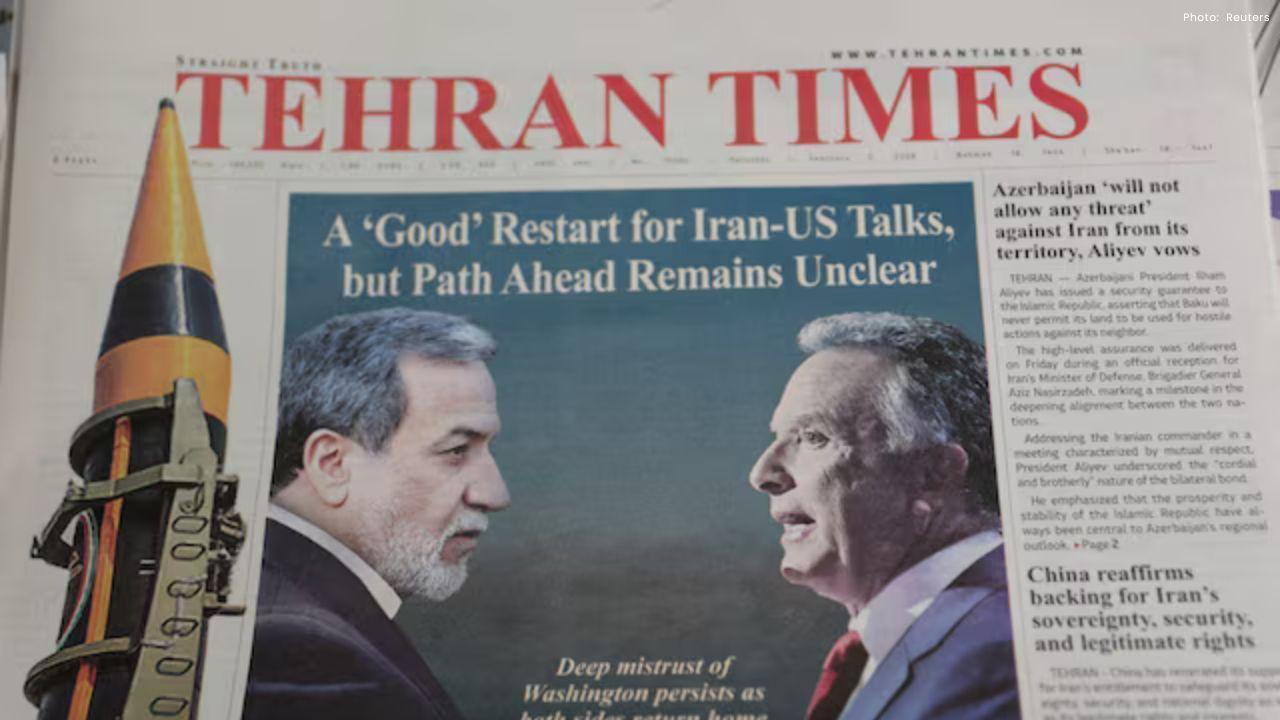
Fresh diplomatic activity around Iran’s nuclear program is creating both hope and concern as new talks approach. Iran’s foreign minister, Abbas Araqchi, has confirmed that he will meet the head of the UN nuclear watchdog before the next round of negotiations with the United States. The meeting comes at a tense time, with military forces moving in the region and sharp disagreements still in place over sanctions, uranium enrichment, and inspections.
Araqchi is set to meet International Atomic Energy Agency director Rafael Grossi for what he described as deep technical discussions. This step is important because the nuclear watchdog plays a central role in checking Iran’s nuclear activities and reporting to the world whether rules are being followed. Without cooperation between Iran and the agency, no nuclear agreement can be trusted by other countries.
The planned meeting takes place just before another round of US–Iran nuclear talks in Geneva. Both sides say they want a deal, but they continue to disagree on the basic terms. Iran says it is ready to accept limits on its nuclear program if economic sanctions are lifted. The United States wants tighter controls and broader terms, including limits connected to missiles and regional security. Iran has clearly said those extra issues are not part of what it is willing to discuss right now.
This gap in expectations is the main reason progress has been slow. Each side fears giving too much while receiving too little. Iran’s leaders argue that sanctions have badly hurt their economy and that relief must come first or at least at the same time as nuclear limits. US officials argue that strong limits and verification must be locked in before sanctions are eased.
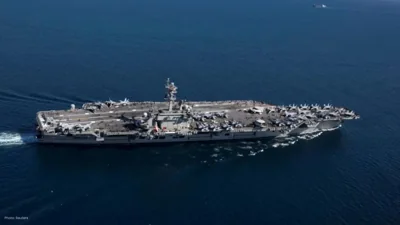
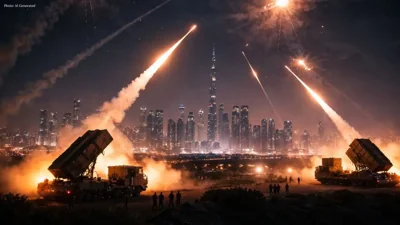
Military pressure is also shaping the talks. The United States has moved additional warships, including aircraft carriers, into the Middle East. Officials say this is meant as a warning and a precaution in case diplomacy fails. Moves like this raise the temperature around negotiations. They can push leaders to act faster, but they can also make compromise more difficult because no side wants to look weak under pressure.
Another major issue is missing enriched uranium. The IAEA has been asking Iran to explain what happened to a large stockpile of highly enriched uranium after earlier strikes on nuclear sites. Inspectors also want full access again to key facilities. Iran says some sites are damaged and unsafe and that the agency must first clarify its position on past attacks. This dispute has slowed inspection work and added mistrust on both sides.
Political voices outside the talks are also influencing the debate. Benjamin Netanyahu has publicly argued that any deal must go beyond limits and require full dismantling of Iran’s nuclear infrastructure. He has said simply slowing enrichment is not enough. Meanwhile, US President Donald Trump is balancing diplomatic outreach with visible military readiness. These positions add pressure on negotiators and narrow the space for middle-ground solutions.
From an editorial point of view, the coming days are a serious test of whether technical diplomacy can still reduce global risk. Meetings between foreign ministers and nuclear inspectors may seem routine, but they are often where real progress begins. Facts must be checked, material must be counted, and clear rules must be written before political promises mean anything.
Simple trust is not enough in nuclear matters. Verification is the backbone of any real agreement. That is why the Araqchi–Grossi meeting matters. If Iran and the watchdog can agree on inspection steps and missing material questions, the political talks will stand on firmer ground. If they cannot, even a signed paper deal may look weak and unstable.
A workable agreement will likely require step-by-step action from both sides: limited sanctions relief matched with verified nuclear limits, followed by broader cooperation if early stages succeed. Big, all-at-once solutions sound attractive but often fail because they demand too much trust too quickly.
The world has seen past nuclear talks collapse after early optimism. That history is a warning. Careful, technical, and honest engagement — not slogans — will decide whether this round produces real security or just another pause before the next crisis.




Starbucks Engages Boyu Capital for Major Chinese Expansion
Starbucks teams up with Boyu Capital, selling a majority stake to boost growth and adapt to the Chin

Three Individuals Charged in Massive Meth Trafficking Case in Malaysia
In Malaysia, a married couple and another suspect are charged with trafficking 510kg of meth, facing
Singapore Police Revisit Geylang Murder Scene with Suspect
In Geylang, police return a murder suspect to the scene of a crime involving the fatal stabbing of a

Mattel Revives Masters of the Universe Action Figures Ahead of Film Launch
Mattel is reintroducing Masters of the Universe figures in line with its upcoming film, tapping into
China Executes 11 Members of Criminal Clan Linked to Myanmar Scam
China has executed 11 criminals associated with the Ming family, known for major scams and human tra