Post by : Mikhael Nasser
As winter sets in, our bodies crave warmth and nourishment. During this season, one dish takes center stage in many Indian households—panjiri. This traditional delicacy serves not only as a comforting treat but also as a testament to familial love and time-honored customs passed through generations.
Crafted from wholesome ingredients like desi ghee, grains, nuts, and natural sweeteners, panjiri provides essential warmth and vigor during colder months. Its dry form allows it to be preserved for weeks, making it a staple in daily diets. In this article, you'll find 8 timeless panjiri recipes perfect for the winter chill, their health benefits, and their enduring significance.
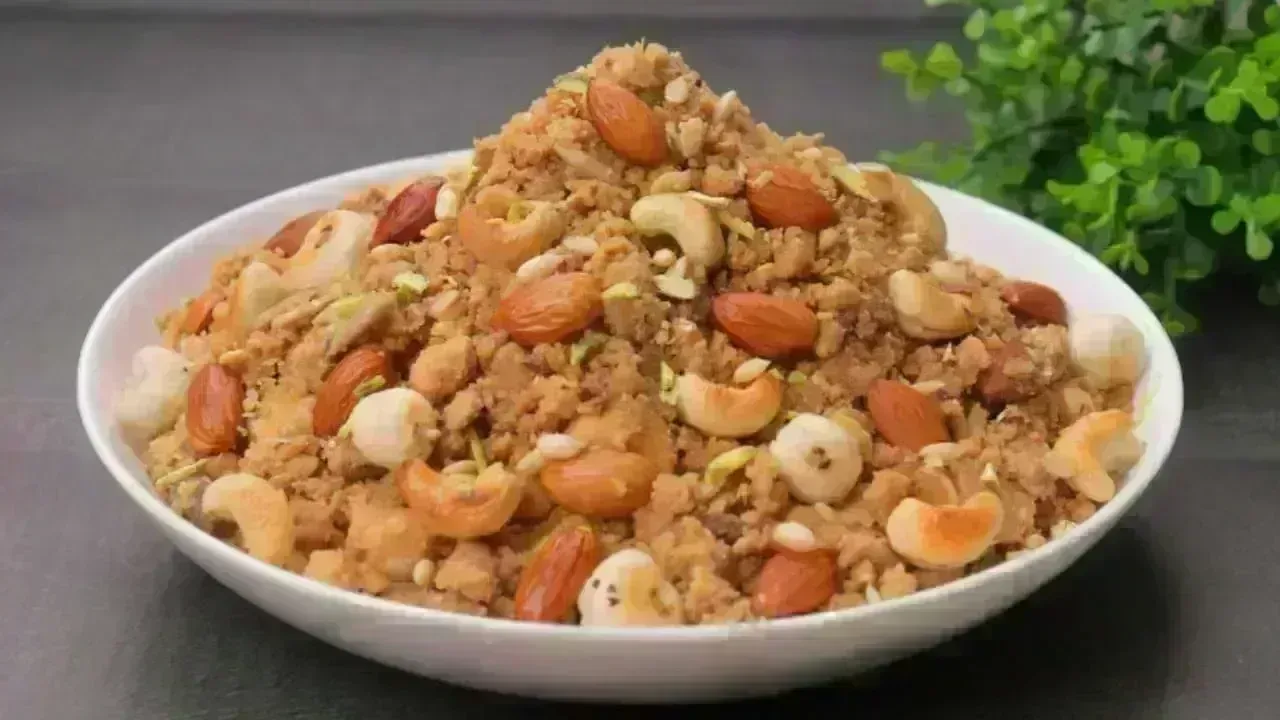
Panjiri, a dry Indian sweet, is created by slowly roasting grains or flour in pure ghee. It’s then combined with nuts, seeds, and a sweetener like jaggery or sugar. Since it contains no moisture, panjiri has a long shelf life and is easy to store.
Winter enhances digestive strength, increasing calorie requirements to maintain warmth. Panjiri addresses this need effectively, offering:
Sustained energy
Enhanced digestion
Boosted immunity
Warmth for joints and muscles
Given these attributes, panjiri has remained a winter staple in Indian homes for centuries.
The classic atta panjiri features whole wheat flour roasted in ghee until it achieves a golden hue and nutty aroma. Almonds, cashews, raisins, and sometimes edible gum are incorporated, finishing with sugar or jaggery powder.
This variant is rich in fiber and healthy fats, versatile enough for all ages. Many families enjoy a modest portion each morning throughout winter to boost health and vitality.
Popular in North India, gond panjiri incorporates edible gum, which is fried in ghee until it becomes airy and crispy. This is then blended with roasted flour, nuts, and sweeteners.
Valued for promoting bone health, this panjiri is frequently prepared for new mothers, as well as older adults or anyone feeling fragile during winter.
Rich in nutrients, dry fruits panjiri combines almonds, walnuts, pistachios, cashews, and dates, lightly roasted and sweetened.
This recipe is perfect for those seeking concentrated nutrition in small servings, benefiting brain health and skin condition, making it ideal for bustling winter mornings.
Dark and flavorful, besan panjiri uses roasted gram flour mixed with nuts, seeds, and sugar post-roasting, creating a richer experience.
Heftier than its wheat counterpart, this panjiri caters well to those engaged in physical labor or who feel fatigued in winter.
Ragi panjiri is lighter yet still nutritious, crafted from finger millet flour, abundant in both calcium and iron.
Though lighter than its wheat version, this panjiri delivers ample warmth and support for cold days, making it suitable for all age groups.
Makhana, or fox nuts, are used in this lightweight but nourishing panjiri, roasted in ghee, crushed, and blended with nuts and jaggery.
Ideal for those seeking low-fat winter options, this panjiri promotes heart health and digestion while fitting nicely into a healthy diet.
For easy digestion, moong dal panjiri features roasted and powdered yellow moong dal that is gentle on the stomach.
Medical professionals often recommend this version for recovery from illness, providing warmth without heaviness.
With ingredients like dry ginger powder, turmeric, ajwain, and occasionally ashwagandha, the herbal panjiri is packed with healing properties.
This variant acts as a defense against cold, cough, and seasonal ailments, consumed in small amounts during harsh weather.
To prolong the freshness of panjiri, adhering to these storage techniques is essential:
Maintain in an airtight container
Store in a cool, dry location
Utilize a dry spoon each time
Can stay fresh for 2–3 months
Proper storage ensures the flavor and nutritional value remain intact.
At a time when fast food predominates, panjiri serves as a reminder of wholesome cooking and natural ingredients. Without preservatives, it stands as an emblem of care and tradition.
Even amidst the hustle of modern life, panjiri allows people around the globe to connect with their cultural culinary practices, especially during the winter months.
More than a mere winter treat, panjiri embodies love, heritage, and health. Each type carries unique benefits, yet collectively they help maintain warmth and resilience through the colder months.
From the beloved atta panjiri to innovative ragi and makhana varieties, these 8 timeless panjiri recipes for the winter chill cater to diverse palates. Incorporating panjiri into winter meals is an easy, natural method to uphold well-being and vitality.
This article serves as general informational content. The health advantages cited are rooted in traditional understanding and common dietary habits. Personal health requirements can differ, and readers should consult healthcare professionals prior to significant dietary adjustments, particularly if they suffer from health conditions or allergies.










Anticipated Dates for UAE Eid Al Adha 2026 Unveiled by Astronomical Experts
Experts predict Eid Al Adha 2026 in the UAE to start on May 27, prompting early holiday planning amo

DAE Achieves Remarkable Growth in Q1 2026 With Record Revenue
Dubai Aerospace Enterprise announces impressive financial results for Q1 2026, reflecting a surge in

Price Increase for Sony PS5 in Southeast Asia Effective May 1
Sony announces a price increase for the PS5 across Southeast Asia starting May 1, 2026, impacting ga

Potential ‘Super El Niño’ in 2026: Understanding the Climate Risks
Could a Super El Niño emerge in 2026? Discover its implications and potential global climate impacts

Global Energy Crisis Intensifies: Markets React to Oil Supply Challenges
Markets are on edge as oil disruptions escalate, influencing prices and economic stability. Explore

Must-See Tourist Spots in London You Can't Overlook
Explore London's essential attractions, from royal landmarks to vibrant markets, ensuring an unforge




