Post by : Saif Nasser
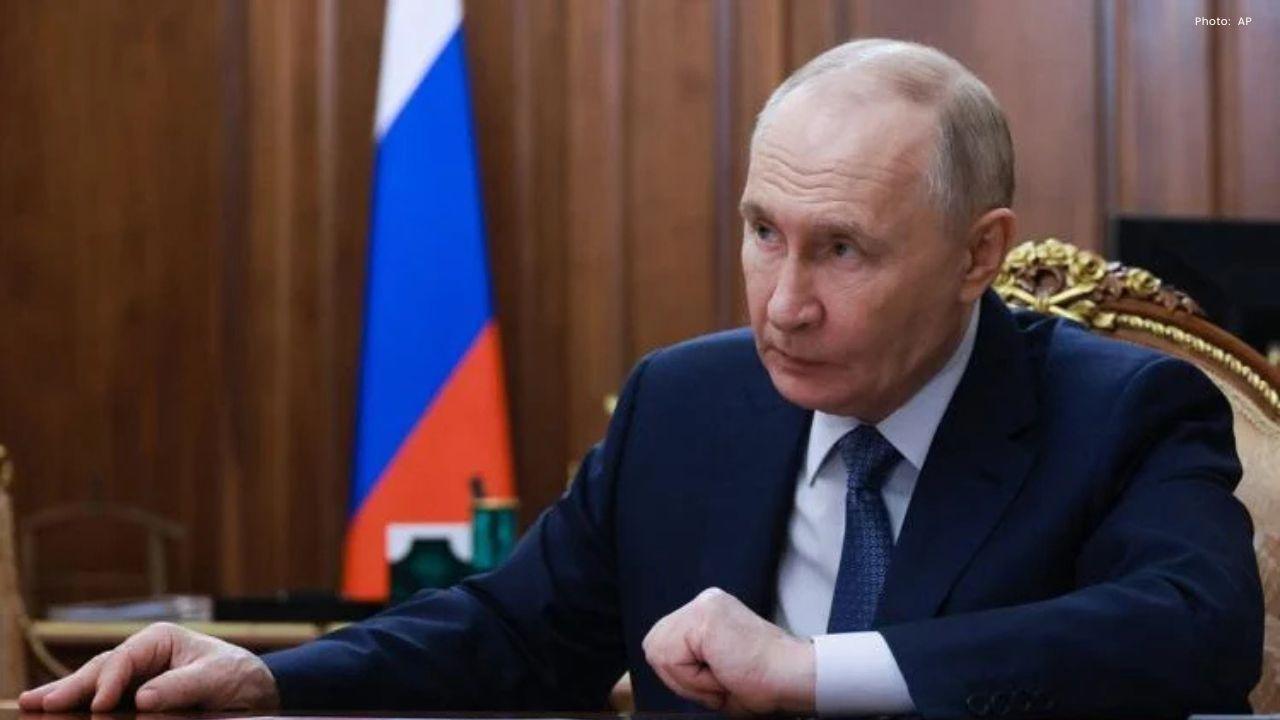
Fresh warnings from a senior European intelligence official have added new tension to the already difficult peace talks over the Ukraine war. According to Estonia’s foreign intelligence chief, Russia is not truly interested in ending the conflict right now and believes it can outmaneuver the United States during negotiations. This claim raises serious questions about whether current diplomatic efforts can bring real peace or only delay more fighting.
The war in Ukraine has now lasted nearly four years. It has caused huge loss of life, mass displacement, and deep economic damage across the region. Because of this, any sign of peace talks brings hope. But hope must be matched with honesty. If one side joins talks only to gain time or advantage, then negotiations become a tactic instead of a solution.
The Estonian intelligence chief said Russia is showing no real desire to stop the war. He believes Moscow is using meetings with U.S. officials mainly to slow things down and shape conditions in its favor. His assessment is said to be based on internal Russian discussions gathered through intelligence work, though the exact sources were not made public. His message was clear: from his agency’s point of view, Russia is not preparing for true compromise.
Publicly, Russian officials continue to say they want a negotiated settlement. At the same time, they have kept firm demands and shown little sign of softening their position. That gap between public statements and private goals is what worries many European security officials. They fear talks could become a cover for regrouping military strength and waiting for political shifts in the West.
The White House has responded more positively about the talks. A U.S. official said negotiators have made strong progress and pointed to recent prisoner exchange agreements as proof that dialogue is working. In one recent deal, more than 300 prisoners were released through arrangements involving the United States, Ukraine, and Russia. That is a real and human result, and it matters for the families involved. Still, prisoner swaps alone do not end wars.
Another issue is how leaders receive and process information. Experts say leaders sometimes hear only what close advisers think they want to say. A former U.S. Russia adviser suggested that both sides may be holding tightly to their own preferred story — one leader wanting to be seen as a peacemaker, the other wanting to be seen as a future victor. When leaders become attached to a personal storyline, it can make flexible decision-making harder.
There are also concerns about how negotiation meetings are handled. Questions have been raised about whether all talks include full expert teams and proper translation support. In high-stakes diplomacy, details matter. A small misunderstanding in language or tone can change the meaning of a proposal. Careful process is just as important as bold promises.
From an editorial point of view, peace talks should continue — but with open eyes. Dialogue is always better than silence, and negotiation is always better than endless war. However, negotiators must measure results, not just words. Timelines, ceasefire steps, verified actions, and mutual concessions are what turn talks into peace.
European border states such as Estonia watch Russia very closely because of geography and history. Their warnings come from long experience and direct risk. The United States, on the other hand, plays a central role because of its global power and influence over sanctions and security support. For talks to succeed, both American optimism and European caution should be taken seriously.
Peace is not made by press releases. It is built through verified steps, honest intent, and shared cost. If any side believes it can “outsmart” the other instead of meeting halfway, then peace will stay far away. The world has already paid a high price for this war. Negotiations must now focus on truth, realism, and accountability — not political theater.









Starbucks Engages Boyu Capital for Major Chinese Expansion
Starbucks teams up with Boyu Capital, selling a majority stake to boost growth and adapt to the Chin

Three Individuals Charged in Massive Meth Trafficking Case in Malaysia
In Malaysia, a married couple and another suspect are charged with trafficking 510kg of meth, facing

Singapore Police Revisit Geylang Murder Scene with Suspect
In Geylang, police return a murder suspect to the scene of a crime involving the fatal stabbing of a

Mattel Revives Masters of the Universe Action Figures Ahead of Film Launch
Mattel is reintroducing Masters of the Universe figures in line with its upcoming film, tapping into

China Executes 11 Members of Criminal Clan Linked to Myanmar Scam
China has executed 11 criminals associated with the Ming family, known for major scams and human tra