Post by : Saif Nasser
A senior adviser to Iran’s Supreme Leader has visited Oman for high-level meetings as Iran and the United States prepare for another round of important negotiations. The visit shows that diplomacy is still active, even as tensions remain high between the two countries. Oman is once again playing the role of mediator, helping both sides stay in contact and reduce the risk of another military conflict.
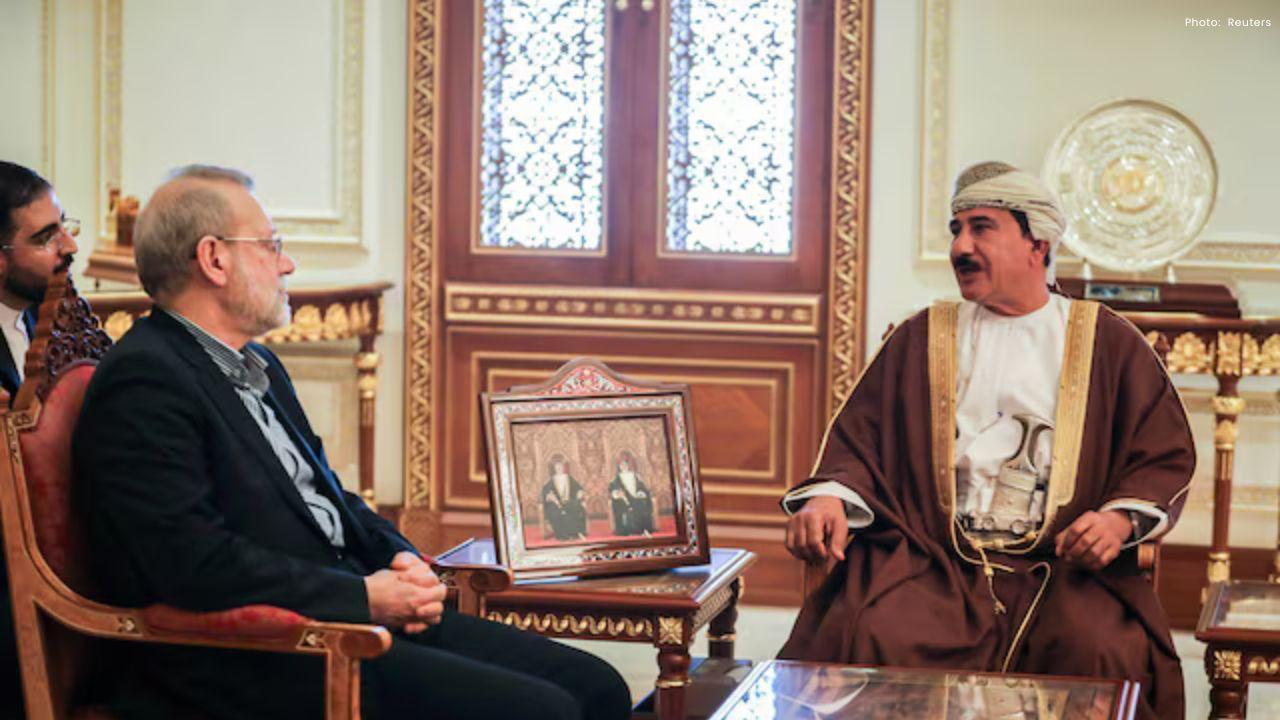
Ali Larijani, a top security adviser in Iran, met Omani leaders in Muscat to discuss how a “balanced and just” agreement could be reached between Tehran and Washington. Omani officials said the talks focused on restarting dialogue, closing gaps between positions, and supporting peace and stability in the region. Iranian media reported that the meeting lasted nearly three hours, which suggests that the discussions were detailed and serious.
Oman has often acted as a quiet bridge between Iran and the United States. It helped with earlier nuclear negotiations and prisoner exchanges in past years. Last week, Oman also hosted indirect talks between Iranian and American officials. According to Iran’s foreign ministry, those meetings helped both sides understand each other’s positions better and created enough common ground to continue diplomacy.
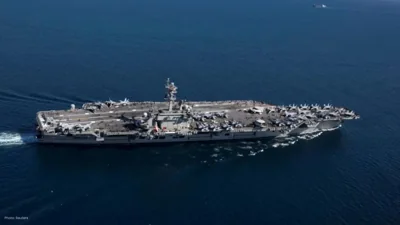
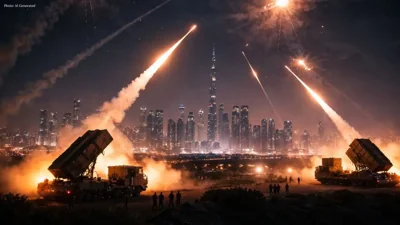
This new diplomatic push comes after a period of strong tension. The United States recently increased its naval presence in the region, which raised fears of possible military action. Last year, U.S. and Israeli strikes hit Iranian nuclear facilities during a short but intense conflict. That fighting changed the security situation and increased mistrust on all sides. Because of this background, even small diplomatic steps now carry greater importance.
At the center of the dispute is Iran’s nuclear program. Washington wants strict limits and deeper controls, especially on uranium enriched close to weapons-grade level. Iran says its nuclear program is for peaceful energy and research purposes and that it has the right to enrichment. Iranian leaders also say that if enrichment levels are reduced further, all major financial sanctions must be lifted in return. This remains one of the biggest sticking points in the talks.
Another major disagreement is over Iran’s missile program. The United States wants missile limits included in any new agreement. Iran has clearly said its missile stockpile is not open for negotiation and calls it essential for national defense. Israeli leaders are also urging Washington to make missile controls part of any deal, adding more pressure to the negotiation process.
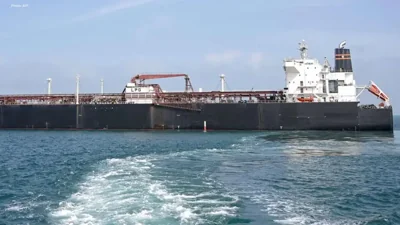
Oil markets are watching these developments closely. Whenever Iran–U.S. tensions rise or fall, oil prices often react. Traders see diplomacy as a sign of lower short-term risk, while military threats push prices higher. That is why even mediator visits and early-stage talks can affect global markets.
Inside Iran, the diplomatic effort also follows a period of internal unrest and government crackdowns on protests. Some observers believe the leadership wants to reduce outside pressure while stabilizing the situation at home. Talks with the United States, if successful, could lead to sanctions relief and economic breathing room.
On the American side, officials say the final decision on negotiation red lines will come from the president. U.S. leaders point to recent prisoner exchange agreements as proof that talks can produce results, even if progress is slow. However, past rounds of negotiations have collapsed before, often over the same core issues of enrichment and sanctions.
The visit to Oman does not guarantee a breakthrough, but it shows that back-channel diplomacy is active and that neither side has fully closed the door. In today’s tense regional climate, continued dialogue itself is an important signal. Even when trust is low, communication can prevent miscalculation and open the path to compromise.
The coming round of talks will test whether both sides are ready to move from careful signals to concrete agreements. The stakes are high, not only for Iran and the United States, but also for the wider Middle East and global security.





Starbucks Engages Boyu Capital for Major Chinese Expansion
Starbucks teams up with Boyu Capital, selling a majority stake to boost growth and adapt to the Chin

Three Individuals Charged in Massive Meth Trafficking Case in Malaysia
In Malaysia, a married couple and another suspect are charged with trafficking 510kg of meth, facing

Singapore Police Revisit Geylang Murder Scene with Suspect
In Geylang, police return a murder suspect to the scene of a crime involving the fatal stabbing of a

Mattel Revives Masters of the Universe Action Figures Ahead of Film Launch
Mattel is reintroducing Masters of the Universe figures in line with its upcoming film, tapping into

China Executes 11 Members of Criminal Clan Linked to Myanmar Scam
China has executed 11 criminals associated with the Ming family, known for major scams and human tra