Post by : Saif Nasser
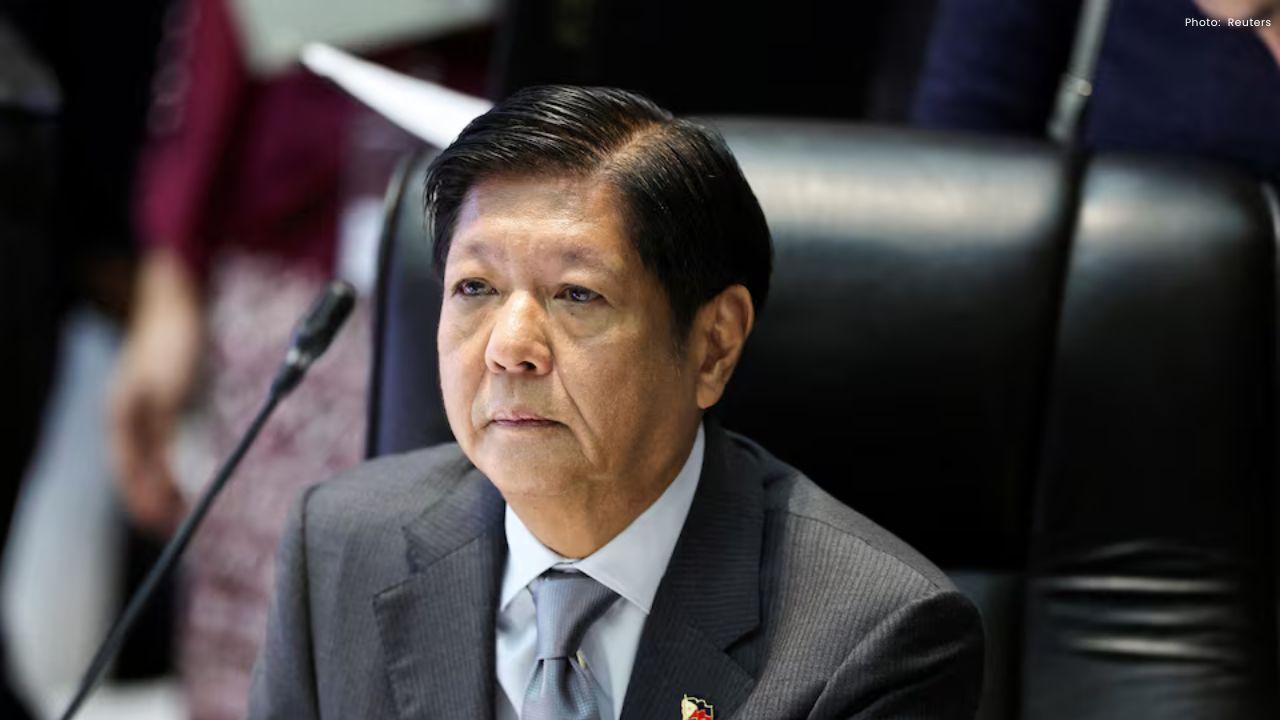
Philippine lawmakers have voted to dismiss impeachment complaints filed against President Ferdinand Marcos Jr., bringing a quick end to an effort that aimed to remove him from office. The decision was widely expected because the president holds strong support among members of the lower house of Congress. Still, the vote is important because it shows how political power and alliances shape major decisions in the country’s democracy.
The House of Representatives voted by a large margin to throw out the complaints. Most lawmakers sided with the president, while only a small number supported moving the impeachment process forward. A few chose not to vote. Because of this result, the impeachment attempt stops here, and under constitutional rules, no new impeachment complaint can be filed against him for one year.
The complaints accused the president of betraying public trust, allowing corruption, and violating the constitution. One complaint also questioned his decisions involving public funds and raised personal allegations that he has denied. Another issue mentioned was his approval of actions that led to the arrest and transfer of former President Rodrigo Duterte to face an international court case linked to the deadly anti-drug campaign of past years. Supporters of Marcos say these accusations were political in nature and did not have enough proof to justify impeachment.
Before the full House vote, a justice committee had already reviewed the complaints and rejected them, saying they did not have enough substance. That earlier decision gave a clear signal of what the final outcome would likely be. When the matter reached the full chamber, the numbers confirmed it. More than two-thirds voted to dismiss the case, far beyond what was needed to block the process.
Impeachment is one of the strongest tools in a democracy. It allows lawmakers to investigate and possibly remove a sitting president or other top official for serious wrongdoing. But because it is so powerful, it is also deeply political. It depends not only on evidence but also on support inside the legislature. If a president’s allies control a large majority of seats, impeachment becomes very difficult to achieve.
The Philippines has seen only a few impeachment cases against top leaders since democracy was restored in 1986. Only one president, Joseph Estrada, was impeached. His trial, however, did not reach a proper ending because prosecutors walked out after a dispute over evidence. In other cases involving senior officials, only one resulted in a conviction and removal from office. This history shows that impeachment is rare and hard to complete.
While the complaints against President Marcos have now been dismissed, political tensions are not likely to disappear. Attention may now shift toward other senior leaders, including the vice president, who faces separate complaints. This suggests that political rivalry remains active and that legal tools like impeachment are still being used as part of broader power struggles.
From an editorial point of view, this case highlights both the strength and the limits of impeachment. On one hand, it shows that there is a formal path to question a president’s actions. On the other hand, it shows that numbers in parliament matter more than public debate once voting begins. That reality can protect stability, but it can also raise concerns about accountability if lawmakers vote mainly along alliance lines.
For citizens, the key issue is trust. People must believe that complaints are reviewed fairly, not just politically. Committees and lawmakers should explain clearly why they reject or accept such cases. Transparency helps prevent suspicion and keeps democratic institutions strong.
The dismissal of the complaints gives President Marcos political breathing room. It allows his administration to continue its agenda without the threat of a long and divisive impeachment trial. But it also places responsibility on his government to show clean governance and careful use of public funds. When impeachment fails, public scrutiny should not.
Democracy does not depend on impeachment alone. It depends on strong courts, active media, honest elections, and informed citizens. This episode in the Philippine Congress is one chapter in that larger democratic story — one that continues to test the balance between power, law, and public trust.










Starbucks Engages Boyu Capital for Major Chinese Expansion
Starbucks teams up with Boyu Capital, selling a majority stake to boost growth and adapt to the Chin

Three Individuals Charged in Massive Meth Trafficking Case in Malaysia
In Malaysia, a married couple and another suspect are charged with trafficking 510kg of meth, facing
Singapore Police Revisit Geylang Murder Scene with Suspect
In Geylang, police return a murder suspect to the scene of a crime involving the fatal stabbing of a

Mattel Revives Masters of the Universe Action Figures Ahead of Film Launch
Mattel is reintroducing Masters of the Universe figures in line with its upcoming film, tapping into

China Executes 11 Members of Criminal Clan Linked to Myanmar Scam
China has executed 11 criminals associated with the Ming family, known for major scams and human tra