Post by : Saif Nasser
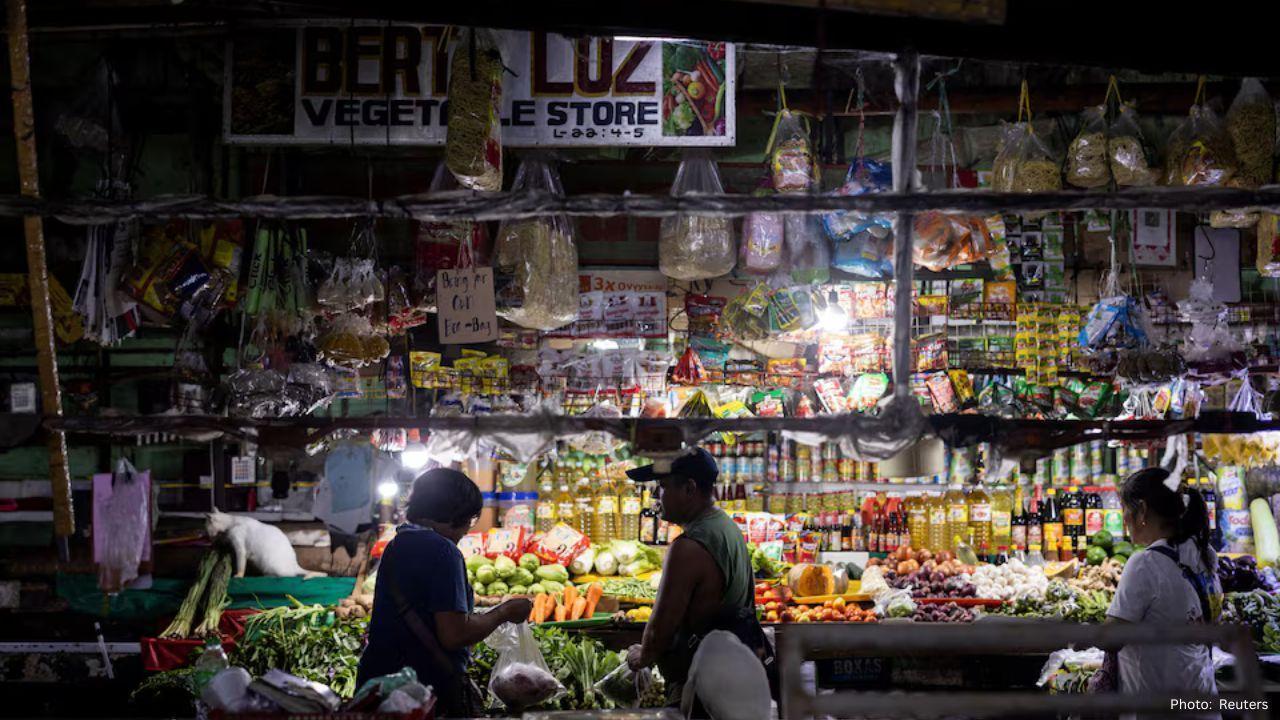
The Philippine central bank has indicated that it will keep interest rates at their current level for the time being, as inflation rose at the end of last year and economic growth showed signs of slowing. Officials say the decision reflects a careful balance between controlling prices and supporting the economy.
Latest data showed that inflation increased to 1.8% in December, the fastest pace in nine months. This was higher than the 1.5% recorded in November. The rise was mainly caused by higher prices for food and clothing, which have a direct impact on everyday household expenses. On a monthly basis, prices climbed by 0.9% in December, marking the sharpest increase in more than a year.
Even with the recent increase, overall inflation for 2025 averaged 1.7%, the lowest level seen since 2016. This suggests that price pressures were generally mild for most of the year, although costs rose toward the end.
Economic growth, however, appears to have weakened. The central bank estimates that the Philippine economy grew by around 4.6% in 2025, down from 5.7% the previous year. This figure is also below the government’s earlier growth target, reflecting challenges from a weaker global economy and slower trade activity.
Bangko Sentral ng Pilipinas Governor Eli Remolona said current conditions do not support further rate cuts at this stage. He explained that interest rates are already close to the level the central bank considers appropriate. While there may still be room for small adjustments, any decision will depend on how inflation and growth develop in the coming months.
Over the past year, the central bank has already taken strong action to support the economy. It reduced interest rates in five consecutive policy meetings, bringing the benchmark rate down to 4.5%, a three-year low. Since August 2024, rates have been cut by a total of 200 basis points, and officials believe this easing cycle is nearing completion.
The government has also lowered its growth targets for the next few years, citing risks from global economic headwinds. Slower growth in major economies and ongoing uncertainty in world markets remain key concerns.
Central bank officials stressed that any further easing would be limited and guided strictly by new data. If economic growth falls well below expectations, additional support could be considered. For now, however, rising inflation has prompted policymakers to take a wait-and-see approach.
The central bank’s message is clear: interest rates will stay steady as officials closely monitor prices and economic activity. Their priority is to keep inflation under control while allowing the economy enough room to recover gradually in the period ahead.









DAE Achieves Remarkable Growth in Q1 2026 With Record Revenue
Dubai Aerospace Enterprise announces impressive financial results for Q1 2026, reflecting a surge in

Price Increase for Sony PS5 in Southeast Asia Effective May 1
Sony announces a price increase for the PS5 across Southeast Asia starting May 1, 2026, impacting ga

Potential ‘Super El Niño’ in 2026: Understanding the Climate Risks
Could a Super El Niño emerge in 2026? Discover its implications and potential global climate impacts

Global Energy Crisis Intensifies: Markets React to Oil Supply Challenges
Markets are on edge as oil disruptions escalate, influencing prices and economic stability. Explore

Must-See Tourist Spots in London You Can't Overlook
Explore London's essential attractions, from royal landmarks to vibrant markets, ensuring an unforge

Ultimate Guide to Snagging Cheap Flights in 2026
Unlock the secrets to booking affordable flights in 2026 with insightful tips and strategies tailore




