Post by : Saif Nasser
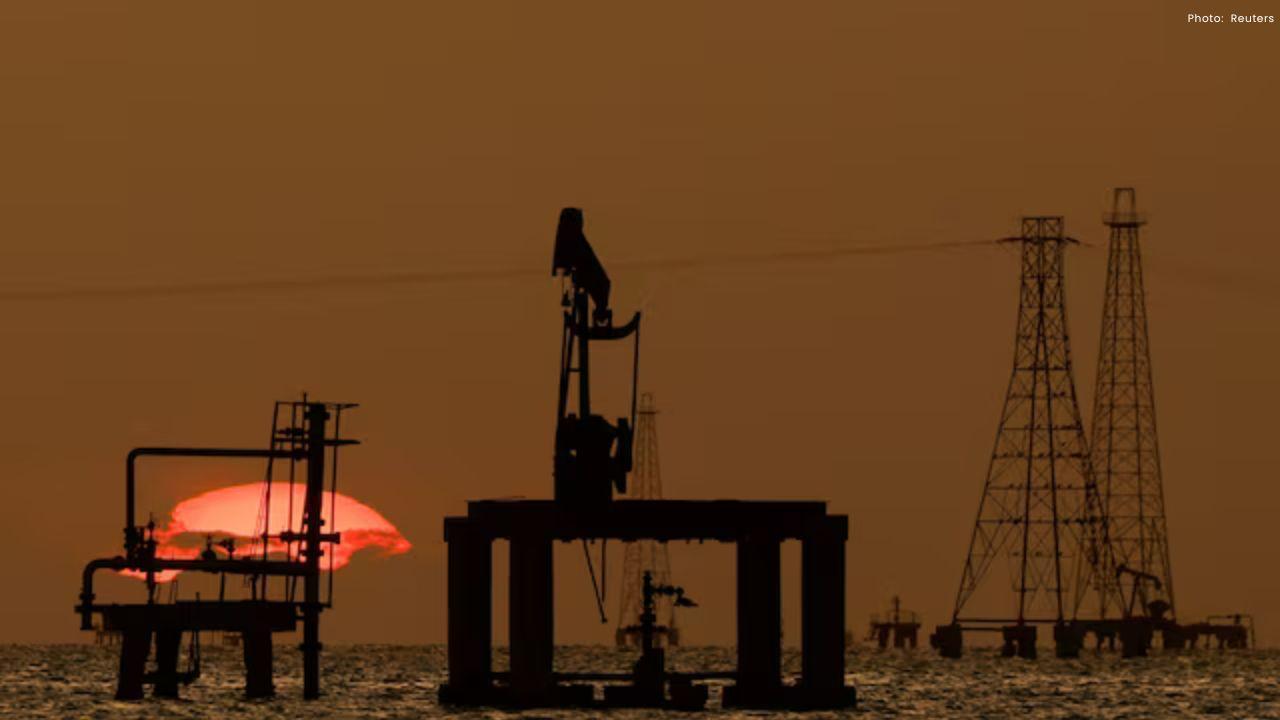
Oil prices fell on Monday as markets reacted to fresh political and economic developments. News that the United States and Iran are preparing for another round of nuclear talks helped ease fears of conflict. At the same time, new tariff plans from U.S. President Donald Trump created concerns about global economic growth.
Brent crude, the global oil benchmark, dropped about 1% to around $70 per barrel. U.S. West Texas Intermediate crude also fell by a similar amount to nearly $65 per barrel. These changes show how quickly oil prices respond to world events.
One major reason for the decline is the planned meeting between the United States and Iran. The two countries are set to hold their third round of nuclear talks this week in Geneva. Diplomatic talks often reduce fears of military action. When the risk of war falls, oil prices usually drop because traders worry less about supply disruptions in the Middle East.
Iran has signaled that it may be ready to make some changes to its nuclear program if certain demands are met. If sanctions on Iran are lifted in the future, more Iranian oil could enter the global market. That would increase supply and possibly lower prices further.
However, the situation remains uncertain. Last week, oil prices had risen sharply due to worries about rising tensions between Washington and Tehran. Many analysts say that as long as military risks remain in the background, oil prices may not fall too much.
Another important factor is trade policy. President Trump recently said he would raise a temporary tariff rate on imports from 10% to 15%. Higher tariffs can slow down trade and economic activity. If global growth weakens, demand for fuel may also decline. That can put pressure on oil prices.
The U.S. Customs and Border Protection agency also announced that it will stop collecting certain tariffs that were ruled illegal by the Supreme Court. These mixed signals on trade policy have made investors cautious.
Financial experts are closely watching supply and demand trends. Goldman Sachs said the oil market may remain in surplus in 2026 if there are no major supply disruptions. At the same time, lower oil inventories in developed countries could support prices later in the year.
Oil markets are influenced by many factors at once. Diplomatic talks, military risks, trade rules, and economic growth all play a role. Even small changes in these areas can move prices quickly.
For now, traders are waiting to see how the nuclear talks between the United States and Iran develop. They are also watching how new tariffs might affect global trade. The balance between rising supply and uncertain demand will shape oil prices in the months ahead.









Reopening of the Strait of Hormuz: New Regulations to Impact Global Trade
Iran reopens the strategic Strait of Hormuz with new regulations affecting oil transport and global

Top 10 Must-See Attractions in NYC for First-Time Explorers
Discover essential experiences for first-time visitors to NYC, including attractions, culture, and i

Starbucks Engages Boyu Capital for Major Chinese Expansion
Starbucks teams up with Boyu Capital, selling a majority stake to boost growth and adapt to the Chin

Three Individuals Charged in Massive Meth Trafficking Case in Malaysia
In Malaysia, a married couple and another suspect are charged with trafficking 510kg of meth, facing

Singapore Police Revisit Geylang Murder Scene with Suspect
In Geylang, police return a murder suspect to the scene of a crime involving the fatal stabbing of a