Post by : Saif Nasser
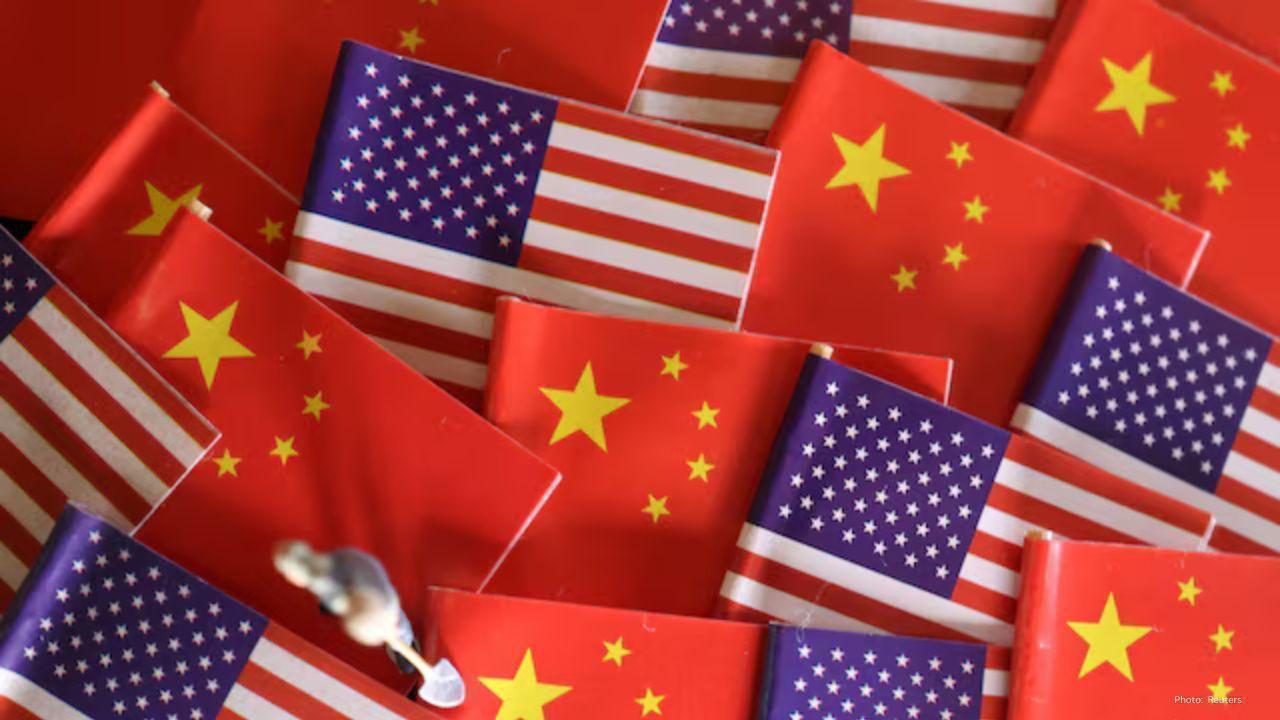
U.S. President Donald Trump has announced that his administration is considering ending certain trade ties with China, including deals related to cooking oil, amid ongoing tensions over agricultural imports. The move comes as part of a broader strategy to respond to what Trump called “economically hostile actions” by China against U.S. farmers.
In a statement shared on social media, Trump said, “I believe that China purposefully not buying our soybeans, and causing difficulty for our soybean farmers, is an economically hostile act. We are considering terminating business with China having to do with cooking oil, and other elements of trade, as retribution.” He added that the U.S. could easily produce cooking oil domestically without relying on China.
The dispute centers around China’s sharp reduction in U.S. soybean purchases. Soybeans are a major U.S. export, and China has historically been the largest buyer. In recent months, however, China has bought fewer American soybeans and instead sourced them from Brazil and Argentina, partly as a response to trade tariffs and ongoing disagreements with Washington. Trump has claimed that these actions hurt U.S. farmers and undermine American agriculture.
This announcement reflects broader tensions in U.S.-China trade relations. Over the past several years, Washington and Beijing have clashed on many issues, including technology, tariffs, human rights, and geopolitical concerns such as Taiwan, Hong Kong, and Ukraine. Trump has used tariffs and other trade measures to try to reduce the trade deficit with China, encourage domestic manufacturing, and counter illegal drug trade linked to imports.
Analysts say that ending trade ties on products like cooking oil and soybeans could have a significant impact on global markets. China may need to increase imports from other countries, while American farmers could face challenges in finding new buyers for their crops. U.S. consumers may also see changes in the prices of soybean-based products and cooking oils.
Trump’s statement comes amid ongoing efforts to negotiate with China on agricultural trade. He mentioned hopes to discuss soybean sales with Chinese President Xi Jinping in the near future, signaling that dialogue is still possible despite threats of sanctions or trade restrictions.
Experts note that such moves are part of a long-term strategy by the U.S. to balance trade relations with China. While the administration highlights economic fairness and protecting American farmers, critics warn that abrupt changes in trade policy could disrupt global supply chains and affect markets worldwide.
For now, the administration is reviewing options and has not confirmed a final decision. If implemented, cutting trade ties with China over cooking oil and other goods would mark a major escalation in the ongoing economic tensions between the world’s two largest economies.










DAE Achieves Remarkable Growth in Q1 2026 With Record Revenue
Dubai Aerospace Enterprise announces impressive financial results for Q1 2026, reflecting a surge in

Price Increase for Sony PS5 in Southeast Asia Effective May 1
Sony announces a price increase for the PS5 across Southeast Asia starting May 1, 2026, impacting ga

Potential ‘Super El Niño’ in 2026: Understanding the Climate Risks
Could a Super El Niño emerge in 2026? Discover its implications and potential global climate impacts

Global Energy Crisis Intensifies: Markets React to Oil Supply Challenges
Markets are on edge as oil disruptions escalate, influencing prices and economic stability. Explore

Must-See Tourist Spots in London You Can't Overlook
Explore London's essential attractions, from royal landmarks to vibrant markets, ensuring an unforge

Ultimate Guide to Snagging Cheap Flights in 2026
Unlock the secrets to booking affordable flights in 2026 with insightful tips and strategies tailore




