Post by : Sami Jeet
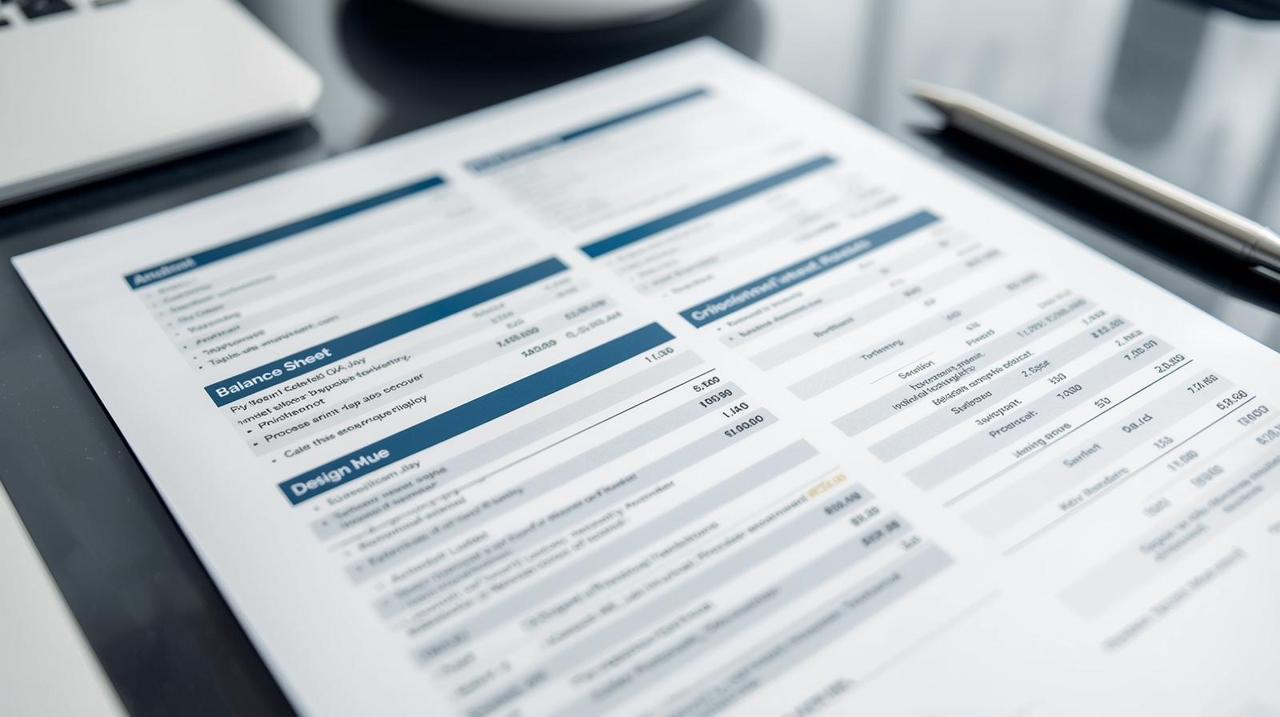
Grasping how to read a balance sheet is crucial for anyone involved in business, management, or keen on enhancing their financial knowledge. No accounting expertise is necessary to interpret it effectively. Essentially, a balance sheet reveals what a business owns, owes, and possesses in equity at a given time. Once you familiarize yourself with its contents, you can quickly assess a company's financial health, stability, risks, and growth potential. This guide presents the information clearly, using everyday language free from accounting jargon.
A balance sheet is categorized into three essential segments: Assets, Liabilities, and Owner’s Equity. The foundational equation guiding this structure is:
Assets = Liabilities + Equity
Every asset owned by the company is financed through debt (liabilities) or investments and retained earnings (equity). Once this formula is clear, interpreting the balance sheet becomes significantly easier.
Assets consist of valuable resources owned by the organization. They are generally classified into: current assets and non-current assets.
These assets can be converted to cash within a year.
Cash and bank balance
Accounts receivable (money owed by customers)
Inventory (goods available for sale)
Short-term investments
Prepaid expenses
Elevated current assets indicate robust liquidity. If receivables increase faster than sales, it might indicate delayed payments or credit challenges. Accumulated inventory can signal sluggish sales or inaccurate forecasting.
These are resources utilized over a longer term for business operations.
Machinery
Buildings
Land
Long-term investments
Patents or trademarks
Healthy non-current assets reflect long-term business security. However, rapid growth in these assets without a corresponding increase in revenue may indicate overspending or poor expansion.
Liabilities signify borrowed funds or obligations the business is required to settle.
These obligations are due within one year.
Payments to suppliers (accounts payable)
Short-term loans
Utility bills
Taxes owed
Salaries due to employees
Should current liabilities surpass current assets, it indicates potential cash flow challenges. Significant short-term loans may raise liquidity concerns.
Long-term financial commitments that are due beyond one year.
Long-term loans
Bonds payable
Lease commitments
Pension obligations
High levels of long-term debt could lead to financial difficulties if revenues decline or interest rates rise. It's crucial to analyze debt ratios against profits and cash flow to gauge long-term viability.
Equity denotes the owner's stake in the business after all liabilities have been settled. It comprises:
Share capital
Retained earnings (profits reinvested in the business)
Reserves
Growing equity signifies that a business is effectively reinvesting profits and reinforcing financial security. A reduction in equity could indicate losses or excessive reliance on debt.
This ratio indicates whether a company can cover its short-term liabilities.
Current Ratio = Current Assets ÷ Current Liabilities
A ratio above 1 signifies adequate capacity to meet future obligations while below 1 suggests liquidity difficulties.
Cash stands as the most reliable measure of financial security. A profitable business with inadequate cash may encounter operational difficulties. Analyze cash against short-term liabilities for insight into financial flexibility.
Escalating accounts receivable relative to sales may suggest delayed payments from customers. Excessive inventory vs. revenue might point to overproduction or weak demand—both are critical warning signs.
While debt can be beneficial, it must remain manageable.
Helpful metric:
Debt-to-Equity Ratio = Total Liabilities ÷ Equity
A high ratio implies over-reliance on borrowed funds.
Retained earnings reflect retained profits rather than distributed dividends. Growth in retained earnings denotes long-term value development.
Balance sheets should not be viewed in isolation. Comparing:
Asset growth
Debt fluctuations
Changes in equity
Improvements in cash flow
Consistent positive trends signal stability.
Certain indicators may point to potential issues even when profitability appears sound.
Rapidly increasing liabilities paired with stagnant assets
Declining cash levels amidst rising revenue
Yearly surge in debt
Inventory rise without corresponding sales
Negative retained earnings
Decreasing equity
These are signs of financial instability, mismanagement, or poor business choices.
A balance sheet can empower savvy decision-making even for those without accounting skills.
Facilitates monitoring of expenses, growth, and stability.
Indicates when to expand, cut costs, or boost inventory.
Helps detect potential cash flow problems early on.
Grasping company health assists in choosing stable employers.
Ability to review financial documents during interviews encourages informed inquiries.
Provides clarity on debt levels, risks, and long-term viability.
This knowledge helps in avoiding firms that appear profitable but are financially vulnerable.
Once you appreciate its composition, reading a balance sheet is straightforward. It’s a vital resource that reveals the true financial state of any business. As an entrepreneur, manager, investor, or professional, mastering balance sheet reading equips you to make well-informed decisions confidently. Over time, this ability helps you pinpoint solid companies and evade risky ones, understanding financial behaviors that affect long-term achievements. With regular practice, interpreting balance sheets becomes simpler, clearer, and increasingly beneficial.
This article offers general educational insights into reading balance sheets. It should not be construed as financial, accounting, tax, or investment advice. Financial insights will vary by industry, business size, and economic factors. Readers are encouraged to seek advice from qualified financial professionals for tailored guidance regarding significant investment or business choices.










Anticipated Dates for UAE Eid Al Adha 2026 Unveiled by Astronomical Experts
Experts predict Eid Al Adha 2026 in the UAE to start on May 27, prompting early holiday planning amo

DAE Achieves Remarkable Growth in Q1 2026 With Record Revenue
Dubai Aerospace Enterprise announces impressive financial results for Q1 2026, reflecting a surge in

Price Increase for Sony PS5 in Southeast Asia Effective May 1
Sony announces a price increase for the PS5 across Southeast Asia starting May 1, 2026, impacting ga

Potential ‘Super El Niño’ in 2026: Understanding the Climate Risks
Could a Super El Niño emerge in 2026? Discover its implications and potential global climate impacts

Global Energy Crisis Intensifies: Markets React to Oil Supply Challenges
Markets are on edge as oil disruptions escalate, influencing prices and economic stability. Explore

Must-See Tourist Spots in London You Can't Overlook
Explore London's essential attractions, from royal landmarks to vibrant markets, ensuring an unforge




