Post by : Bianca Suleiman
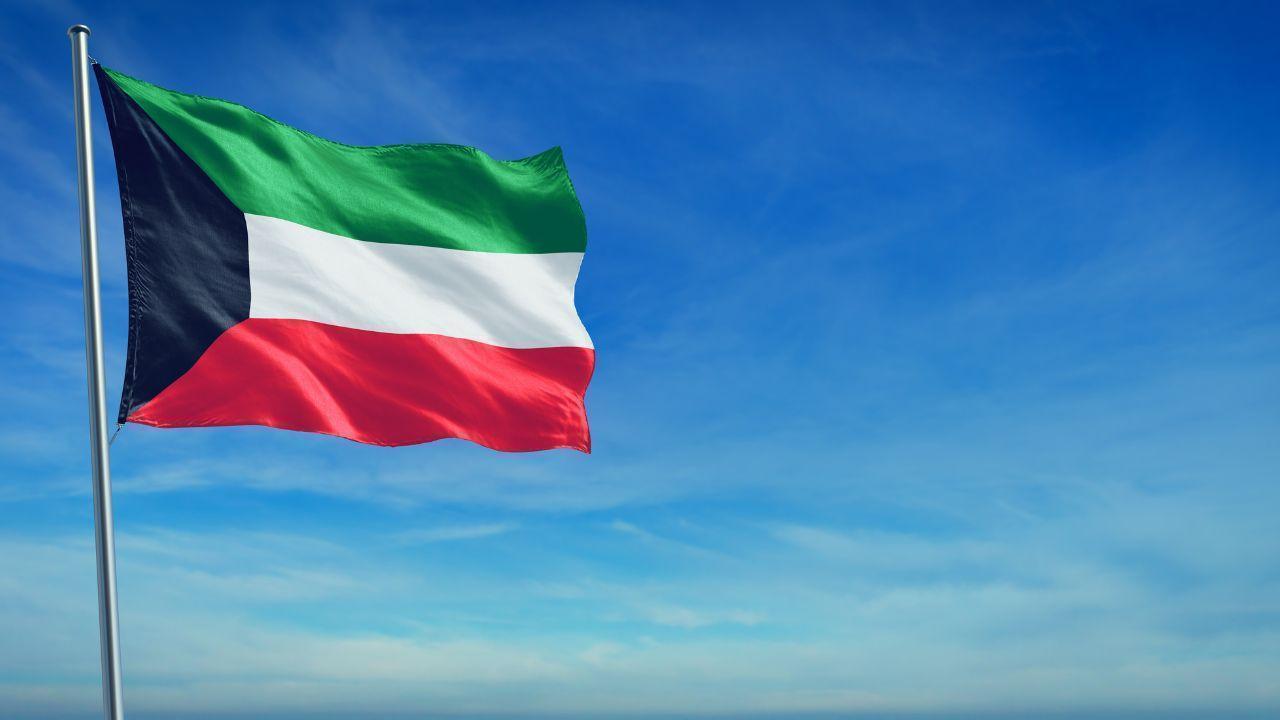
Kuwait celebrated its 64th Independence Day on Thursday, remembering a very special moment in its history. This happy occasion marks the day when Kuwait began its journey of growth and development as an independent country in the northern Gulf region.
The important event happened when the late Amir Sheikh Abdullah Al-Salem Al-Sabah signed the Declaration of Independence on June 19, 1961. He signed it with Sir George Middleton, the British Chief Political Resident in the Arabian Gulf. This agreement ended the British protectorate and gave Kuwait full control over its own future.
On that day, Sheikh Abdullah Al-Salem spoke to the people and said, “Today, we move from one part of our history to a new one. We are turning the page and starting a new chapter as a fully independent nation with complete freedom.”
Three years later, on May 18, 1964, a new law was made. It joined Kuwait’s National Day with the day Sheikh Abdullah Al-Salem became ruler. Since then, people in Kuwait celebrate National Day every year on February 25. This tradition started in 1965 and continues to bring joy to citizens.
Since becoming ruler in 1950, Sheikh Abdullah Al-Salem carefully prepared Kuwait for independence. He wanted the country to grow strong and free. On August 26, 1961, he signed a law to hold elections for a group called the Constituent Assembly. This group had one big job—to write Kuwait’s constitution.
In just nine months, they finished the constitution with 183 articles. It became the base for Kuwait’s democratic system and helped the country move towards a better and brighter future. On September 7, 1961, another important law was signed. It officially created the Kuwaiti flag, the first one to fly after gaining independence.
In the past 64 years, Kuwait has made many achievements. The country has worked hard to meet the hopes of its people and has played an important role in regional and world matters. It has also earned a great name as a global center for helping others.
Kuwait joined the Arab League on July 20, 1961. Then, the United Nations Security Council reviewed Kuwait’s request to join the UN on November 30, 1961. On May 14, 1963, Kuwait was officially accepted as the 111th member of the United Nations.
Sheikh Abdullah Al-Salem ruled Kuwait for 15 years. People remember him as the “Father of Independence” and the “Father of the Constitution” because of all he did for the country. During his time, 43 important laws were passed, including ones about Kuwaiti citizenship, money, passports, and government structure.
Many new government departments were also created to help with the country’s growth. These included public works, health, education, post and telephone, electricity and water, social affairs, religious services, radio, and television.
Today, Kuwait continues to work hard in solving regional and global problems. It remains a peaceful and respected country, known for helping others and standing for peace and cooperation.






Anticipated Dates for UAE Eid Al Adha 2026 Unveiled by Astronomical Experts
Experts predict Eid Al Adha 2026 in the UAE to start on May 27, prompting early holiday planning amo

DAE Achieves Remarkable Growth in Q1 2026 With Record Revenue
Dubai Aerospace Enterprise announces impressive financial results for Q1 2026, reflecting a surge in

Price Increase for Sony PS5 in Southeast Asia Effective May 1
Sony announces a price increase for the PS5 across Southeast Asia starting May 1, 2026, impacting ga

Potential ‘Super El Niño’ in 2026: Understanding the Climate Risks
Could a Super El Niño emerge in 2026? Discover its implications and potential global climate impacts

Global Energy Crisis Intensifies: Markets React to Oil Supply Challenges
Markets are on edge as oil disruptions escalate, influencing prices and economic stability. Explore

Must-See Tourist Spots in London You Can't Overlook
Explore London's essential attractions, from royal landmarks to vibrant markets, ensuring an unforge




