Post by : Saif Nasser
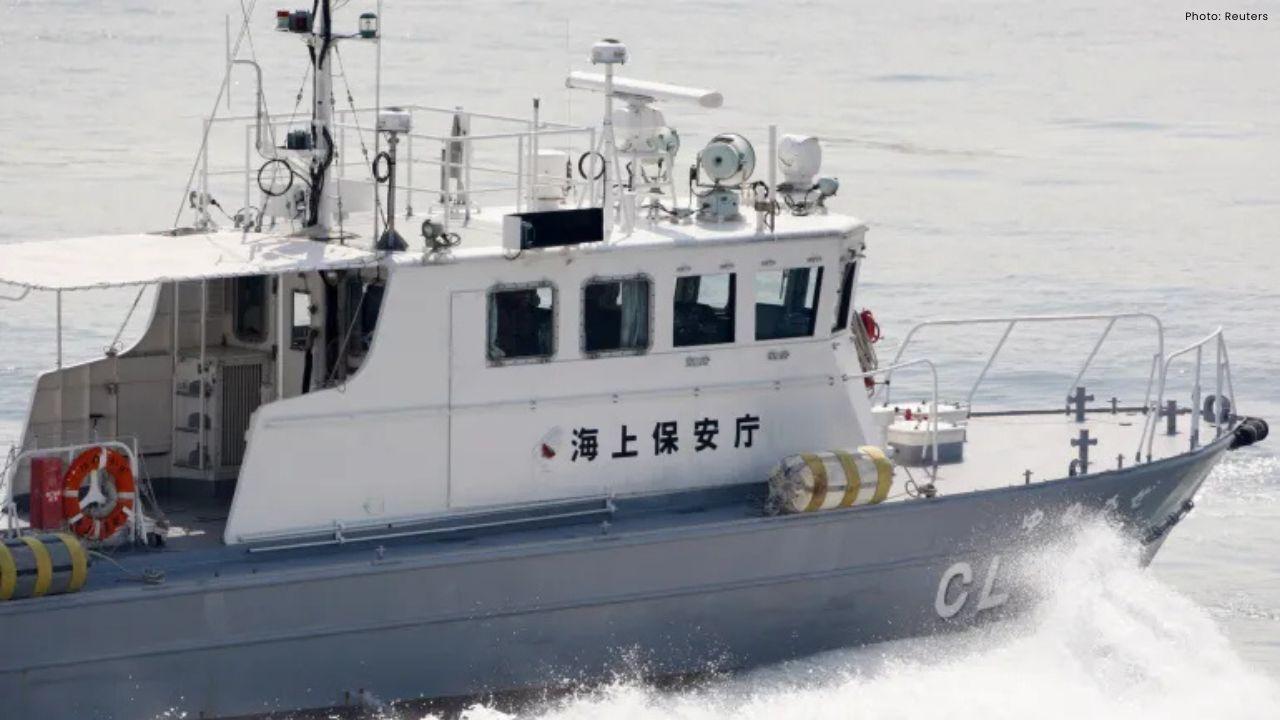
A new sea incident between Japan and China has raised concern among regional observers. Japanese authorities recently seized a Chinese fishing vessel and arrested its captain after officials said the boat refused to stop for inspection. While no injuries were reported, the action could add strain to an already sensitive relationship between the two countries.
According to Japanese officials, the vessel was operating inside Japan’s exclusive economic zone near Nagasaki Prefecture. This zone is an area of sea where a country has special rights over fishing and natural resources. When patrol officers tried to carry out a routine check, they said the captain did not follow orders to stop. After that, authorities boarded the vessel and detained the captain for questioning.
Japan says such inspections are part of normal law enforcement at sea. Officials argue that checks are needed to prevent illegal fishing and protect local fishing industries. Coastal communities depend on stable fish stocks, and the government says rules must be followed by both local and foreign boats.
Still, even routine enforcement can quickly become political when it involves foreign vessels. Incidents at sea often carry symbolic weight. They touch on borders, control, and national pride. Because of this, a single arrest can sometimes trigger strong diplomatic reactions.
This latest case comes at a time when relations between Tokyo and Beijing are not smooth. The two sides disagree on several security and territorial matters. Maritime zones in nearby waters have long been a source of dispute. Past clashes involving fishing boats and patrol ships have led to protests, angry statements, and temporary diplomatic freezes.
Security experts say timing matters. When trust is low, even small events feel bigger. A boat inspection that might otherwise pass quietly can turn into a headline issue. That risk is higher when both governments face pressure at home to appear firm and protective of national interests.
Japanese authorities have stressed that the action was based on law, not politics. They say any vessel that refuses a lawful inspection may face seizure, no matter which country it comes from. Officials also point out that similar steps have been taken before against other foreign boats.
On the Chinese side, responses in cases like this often focus on the treatment of crews and the legal basis for detention. Beijing usually calls for fair handling and quick clarification. Diplomatic channels are expected to discuss the case, even if public statements remain strong.
The deeper problem is that sea enforcement and geopolitics are now closely linked in East Asia. Fishing grounds, shipping lanes, and patrol routes overlap with security concerns. Each move is watched carefully by the other side. That makes calm communication more important than ever.
There is also a wider lesson here. Rules at sea are necessary, but so is restraint. When officers act, they must enforce the law. When governments respond, they must manage the fallout. Quick escalation helps no one, especially in busy and disputed waters.
If both sides handle the matter through legal and diplomatic channels, the damage may stay limited. If not, the incident could become another mark in a long list of maritime disputes between the two neighbors. The coming days will show whether cooler heads can keep the situation under control.










Reopening of the Strait of Hormuz: New Regulations to Impact Global Trade
Iran reopens the strategic Strait of Hormuz with new regulations affecting oil transport and global

Top 10 Must-See Attractions in NYC for First-Time Explorers
Discover essential experiences for first-time visitors to NYC, including attractions, culture, and i

Starbucks Engages Boyu Capital for Major Chinese Expansion
Starbucks teams up with Boyu Capital, selling a majority stake to boost growth and adapt to the Chin

Three Individuals Charged in Massive Meth Trafficking Case in Malaysia
In Malaysia, a married couple and another suspect are charged with trafficking 510kg of meth, facing

Singapore Police Revisit Geylang Murder Scene with Suspect
In Geylang, police return a murder suspect to the scene of a crime involving the fatal stabbing of a