Post by : Saif Nasser
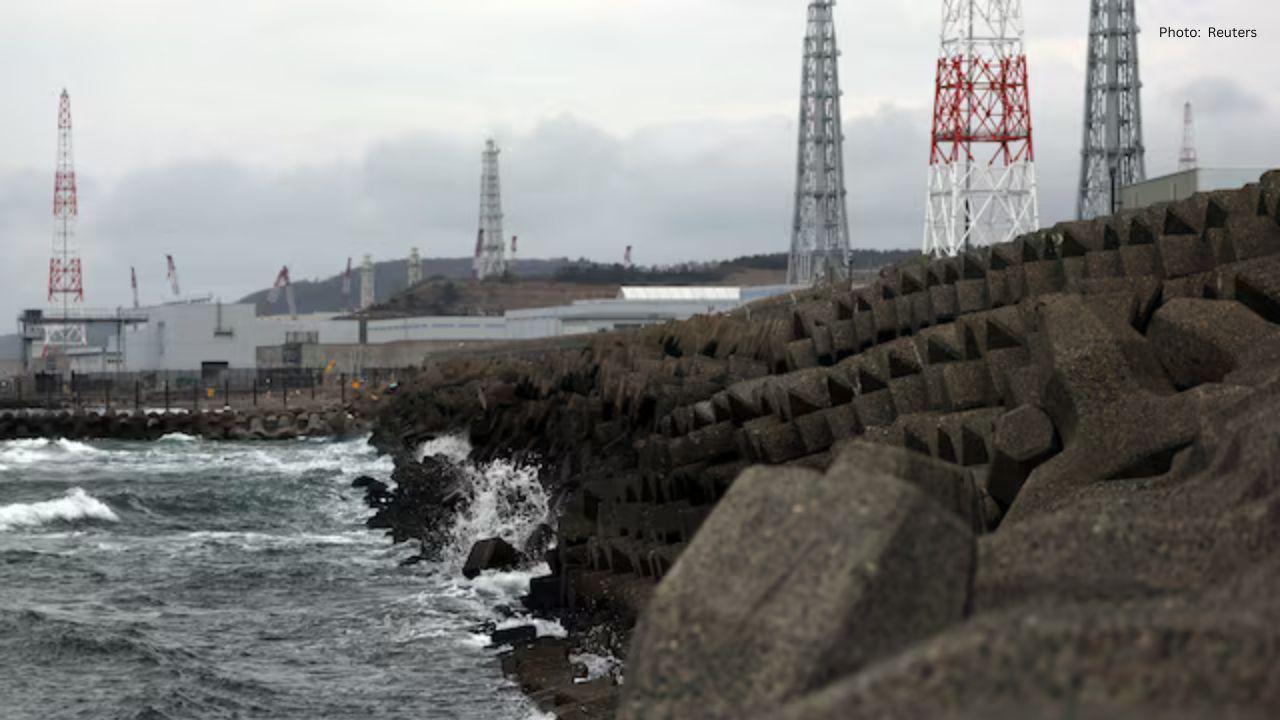
Japan is preparing to partially restart the world’s largest nuclear power plant, marking a major moment in the country’s energy policy more than a decade after the Fukushima nuclear disaster. Tokyo Electric Power Company, known as TEPCO, said it plans to restart the first unit of the Kashiwazaki-Kariwa nuclear power plant on January 20.
The Kashiwazaki-Kariwa plant is located in Niigata prefecture, about 220 kilometres northwest of Tokyo. With a total capacity of 8.2 gigawatts, it is capable of supplying electricity to millions of homes. The upcoming restart will bring one reactor unit with a capacity of 1.36 gigawatts back online, while another unit of the same size is planned to restart around 2030.
This decision follows approval from the Niigata prefectural assembly earlier this week, which gave the green light for a partial restart. It will be the first time TEPCO has restarted a nuclear reactor since the Fukushima Daiichi nuclear accident in 2011, when an earthquake and tsunami caused a meltdown and forced Japan to shut down most of its nuclear fleet.
TEPCO President Tomoaki Kobayakawa said the company is fully aware of its responsibility following the Fukushima disaster. He stressed that safety will remain the top priority and that lessons learned from the accident will guide every step of the restart process. The company said it will take a cautious approach and follow strict safety standards.
After the 2011 disaster, Japan shut down all 54 of its nuclear reactors. Since then, only 14 of the 33 reactors that are still considered operable have been restarted. Japan has relied heavily on imported fossil fuels to meet its energy needs, which has increased costs and carbon emissions.
In recent years, the government has been moving to bring nuclear power back into the energy mix. In November, Japan outlined plans for a public loan system to support nuclear power and said it aims to double the share of nuclear energy in its electricity supply. The restart of Kashiwazaki-Kariwa is seen as an important step toward that goal.
TEPCO has also said it may permanently shut down some of the plant’s remaining five reactors, depending on future safety reviews and energy demand. Public opinion on nuclear power remains divided in Japan, with strong concerns about safety still present among many citizens.
The planned restart signals a careful but clear shift in Japan’s energy strategy. As the country looks to secure stable power supplies and reduce dependence on imported fuels, the Kashiwazaki-Kariwa plant will play a key role in shaping Japan’s energy future.










Reopening of the Strait of Hormuz: New Regulations to Impact Global Trade
Iran reopens the strategic Strait of Hormuz with new regulations affecting oil transport and global

Top 10 Must-See Attractions in NYC for First-Time Explorers
Discover essential experiences for first-time visitors to NYC, including attractions, culture, and i

Starbucks Engages Boyu Capital for Major Chinese Expansion
Starbucks teams up with Boyu Capital, selling a majority stake to boost growth and adapt to the Chin

Three Individuals Charged in Massive Meth Trafficking Case in Malaysia
In Malaysia, a married couple and another suspect are charged with trafficking 510kg of meth, facing
Singapore Police Revisit Geylang Murder Scene with Suspect
In Geylang, police return a murder suspect to the scene of a crime involving the fatal stabbing of a