Post by : Saif Nasser
An Iranian lawmaker has warned that the country could face even larger protests if the government does not seriously address the problems troubling ordinary people. His comments come after more than two weeks of nationwide demonstrations driven by economic hardship and public frustration.
Mohammadreza Sabaghian, a member of Iran’s parliament from central Yazd province, said during a parliamentary session that people have real complaints that cannot be ignored. He warned that if officials in the government and parliament fail to act, the unrest could return with greater force. His remarks reflect growing concern inside Iran’s political system about the scale and persistence of the protests.
The demonstrations began in late December after the value of Iran’s currency sharply fell. What started as protests over rising prices and economic pressure soon grew into wider calls for change. Many protesters have openly challenged the authority of Iran’s clerical leadership, something rarely seen on such a large scale.
Authorities have responded with a heavy security crackdown. Human rights groups say hundreds of people have been killed and thousands arrested since the protests began. Iranian officials have not released an official death toll and have blamed the violence on foreign interference, particularly from the United States and Israel. State media has focused mainly on the deaths of security personnel.
The pressure on Iran has increased further after U.S. President Donald Trump announced new tariffs. He said that any country doing business with Iran would face a 25% tariff on exports to the United States. This move has drawn criticism from China, Iran’s largest oil buyer, which said it opposes unilateral sanctions and will protect its interests.
Iranian government spokesperson Fatemeh Mohajerani said the country is keeping communication channels open with Washington. She added that President Masoud Pezeshkian has ordered the formation of expert groups, including sociologists, to better understand why so many young people are angry. She said the government sees both protesters and security forces as its own people and claimed it is trying to listen to public concerns.
Despite the unrest, there are no clear signs of divisions within Iran’s top religious leadership, military, or security forces. Protesters also do not appear to have a single central leader, which makes the movement harder to organize but also harder to fully control.
International attention remains focused on Iran as the protests continue and global tensions rise. The warning from within Iran’s own parliament suggests that ignoring public anger may only deepen the crisis. Whether the government chooses reform, dialogue, or continued force may shape Iran’s future in the months ahead.


The Impact of Consistent Small Investments on Wealth Building
Discover how investing small amounts regularly can positively transform your financial future over t

7.5 Magnitude Earthquake Strikes Japan, Tsunami Alerts Issued
Japan experiences a hefty 7.5 quake, prompting tsunami alerts and safety measures. Stay updated on a
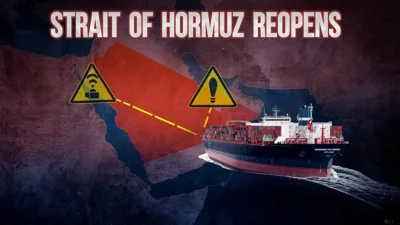
Reopening of the Strait of Hormuz: New Regulations to Impact Global Trade
Iran reopens the strategic Strait of Hormuz with new regulations affecting oil transport and global

Top 10 Must-See Attractions in NYC for First-Time Explorers
Discover essential experiences for first-time visitors to NYC, including attractions, culture, and i

Starbucks Engages Boyu Capital for Major Chinese Expansion
Starbucks teams up with Boyu Capital, selling a majority stake to boost growth and adapt to the Chin

Three Individuals Charged in Massive Meth Trafficking Case in Malaysia
In Malaysia, a married couple and another suspect are charged with trafficking 510kg of meth, facing