Post by : Saif Nasser
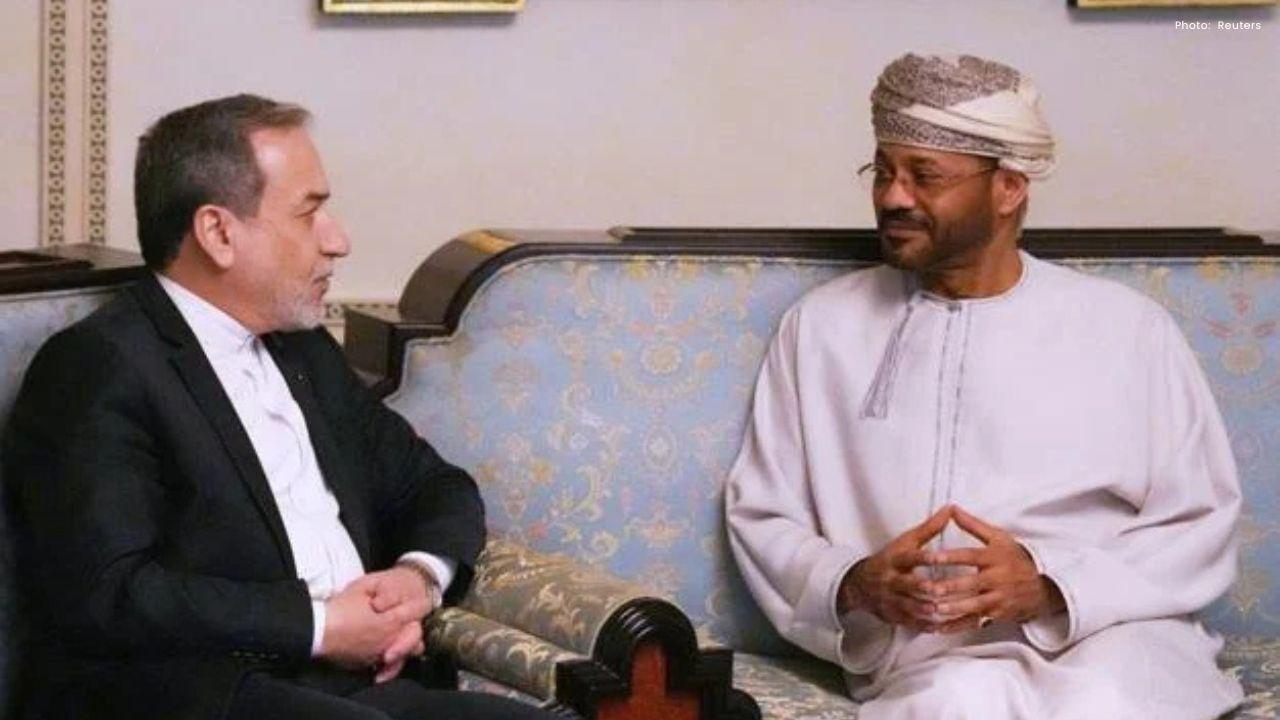
Indirect talks between Iran and the United States have taken place in Oman, opening a new chapter in a long and tense nuclear dispute. While both sides described the discussions as useful, the atmosphere around the meeting showed clear signs of pressure and mistrust. Diplomats spoke inside palace rooms in Muscat, but warships and military warnings stood close in the background.
This round of talks is important because it brings both countries back to the negotiating path after months of rising danger. It is also unusual because the United States included its top military commander for the Middle East in the process. His presence sent a strong signal that diplomacy and military readiness are now moving side by side.
The meeting was indirect, meaning Iranian and American officials did not sit face-to-face for full negotiations. Instead, Omani officials carried messages between the two sides. Oman has often played this quiet mediator role in the past, helping keep communication open when direct contact was difficult.
President Donald Trump described the talks as “very good” and said more meetings are planned soon. At the same time, he repeated a firm warning that if Iran does not agree to a nuclear deal, the consequences would be severe. That mix of open door and hard threat defines the current U.S. approach.
Iran’s Foreign Minister Abbas Araghchi also spoke after the talks. He sounded careful but somewhat positive. He said the discussions helped both sides better understand each other’s positions. However, he stressed that real progress requires a calm setting without threats or pressure. He pointed to deep mistrust between the two countries as the biggest barrier.
Trust is indeed the missing piece. Relations between Iran and the U.S. have been broken for decades. The situation became more complicated after the United States withdrew from the 2015 nuclear agreement in 2018. Since then, limits and inspections tied to that deal have weakened. Iran increased its uranium enrichment, and international inspectors reported reduced access to key sites.
Before the latest conflict period, Iran had enriched uranium to levels close to weapons-grade. That raised alarm among Western countries and nuclear watchdog groups. Iran says its program is for peaceful energy purposes. The U.S. and several allies fear it could be used to build a nuclear weapon.
The military backdrop to these talks is impossible to ignore. A U.S. aircraft carrier group is now operating near Iran in the Arabian Sea. American forces recently shot down an Iranian drone near the carrier, and Iran reportedly tried to stop a U.S.-flagged ship in a key shipping route. These events show how quickly tensions could turn into open conflict by accident or miscalculation.
Gulf countries are watching closely and nervously. They fear that any direct clash between Iran and the United States could spread across the region. Oil routes, trade, and civilian safety could all be affected. For them, even slow and difficult talks are better than sudden war.
There are also disagreements about what should be included in the negotiations. Iran says the talks should focus only on its nuclear program. The U.S. wants a broader agenda that also covers ballistic missiles and regional security behavior. Some reports say regional mediators suggested a temporary halt in enrichment and limits on missile use, but Iran has signaled that fully stopping enrichment or shipping out its uranium stockpile is not acceptable.
Right after the talks ended, the United States announced new sanctions on Iran’s energy sector. These measures target oil tankers, trading firms, and business figures accused of helping Iran avoid earlier sanctions. Washington also created a legal path for possible import taxes on countries that continue buying Iranian oil. This shows that even while talks continue, economic pressure remains active.
This two-track strategy — negotiate and pressure at the same time — is risky but common in hard security disputes. Supporters say pressure creates leverage and forces serious bargaining. Critics say it can poison the atmosphere and weaken moderate voices on the other side.
The Oman meeting did not produce a breakthrough. No deal was signed. No major promise was announced. But it did restart structured contact and outlined a path for more talks. In conflicts like this, even small steps matter.
Diplomacy with rivals is rarely smooth. It moves forward in short, uneven steps. What matters now is whether both sides keep talking, reduce risky actions, and slowly rebuild enough trust to make a limited agreement possible.


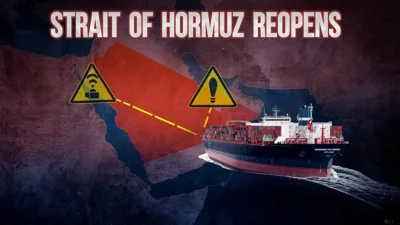
Reopening of the Strait of Hormuz: New Regulations to Impact Global Trade
Iran reopens the strategic Strait of Hormuz with new regulations affecting oil transport and global

Top 10 Must-See Attractions in NYC for First-Time Explorers
Discover essential experiences for first-time visitors to NYC, including attractions, culture, and i

Starbucks Engages Boyu Capital for Major Chinese Expansion
Starbucks teams up with Boyu Capital, selling a majority stake to boost growth and adapt to the Chin

Three Individuals Charged in Massive Meth Trafficking Case in Malaysia
In Malaysia, a married couple and another suspect are charged with trafficking 510kg of meth, facing

Singapore Police Revisit Geylang Murder Scene with Suspect
In Geylang, police return a murder suspect to the scene of a crime involving the fatal stabbing of a