Post by : Saif Nasser
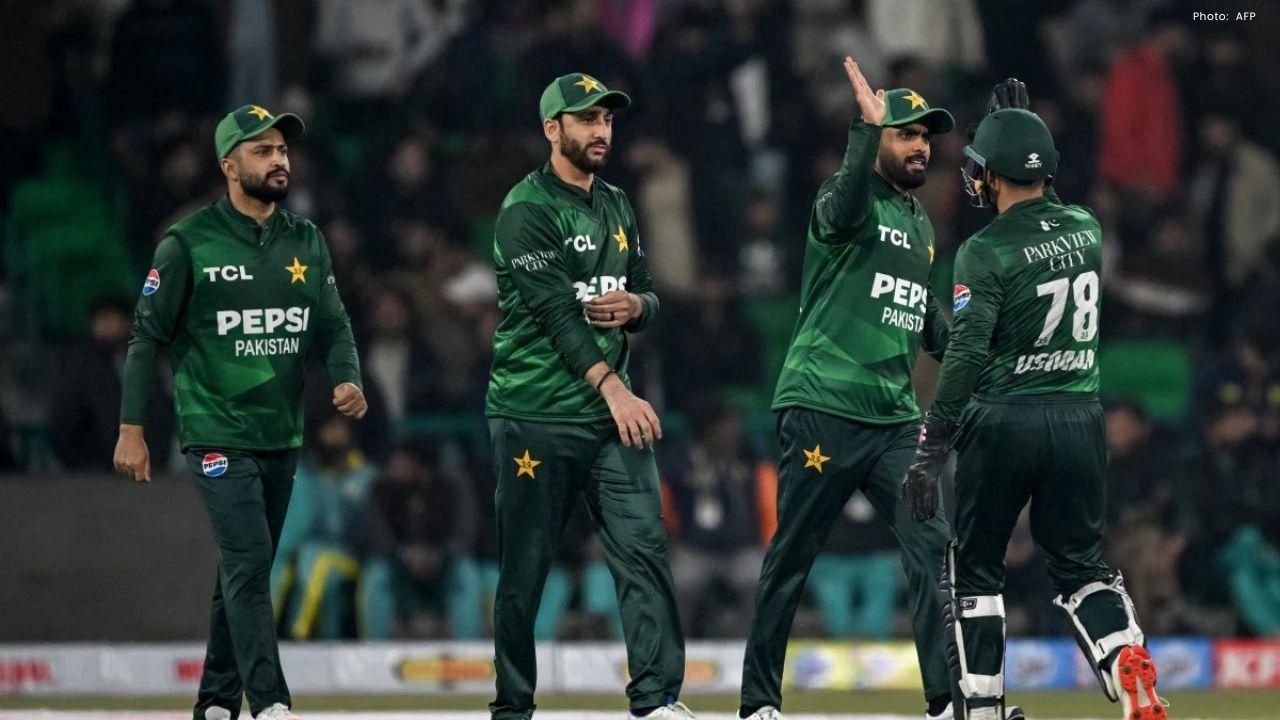
The International Cricket Council (ICC) has stepped in quietly to prevent a major dispute from hurting the T20 World Cup 2026. According to reports, the ICC has asked its deputy chairman, Imran Khwaja, to hold back-channel talks with the Pakistan Cricket Board (PCB) after Pakistan announced it would boycott its group-stage match against India.
Pakistan has said it will take part in the T20 World Cup but will not play the high-profile match against India scheduled for February 15 in Colombo. This decision, reportedly taken on instructions from the Pakistani government, has raised serious concerns within the ICC and among broadcasters.
The ICC has not yet received any official written notice from the PCB about the boycott. However, the situation is serious enough that Imran Khwaja, who represents the Singapore Cricket Association, has been asked to act as a mediator. His task is to convince Pakistan to play the match and avoid damage to the tournament.
The India-Pakistan match is one of the biggest attractions of any cricket event. Millions of fans around the world watch the game, and broadcasters pay large sums for the rights. Because of this, the ICC has warned the PCB that skipping the match could lead to legal action from the tournament’s official broadcasters, JioStar.
Sources say the ICC may also take financial steps if Pakistan does not change its position. Pakistan’s annual revenue share from the ICC is estimated at around 35 million US dollars. There is a possibility that this amount could be withheld and used to compensate broadcasters for losses.
PCB officials are aware of the risks. Although PCB chairman Mohsin Naqvi reportedly consulted legal experts before discussing the issue with Pakistan’s prime minister, the board understands that the consequences could be severe. Legal challenges, financial penalties, and strained relations with the ICC are all possible outcomes.
Another key issue is that Pakistan is already playing its matches at a neutral venue, Sri Lanka, instead of India. This arrangement was made to address security and political concerns. Because of this, ICC officials believe it may be difficult for Pakistan to justify refusing to play India at a neutral location.
In the past, India has played against Pakistan at neutral venues during ICC events, even when political tensions were high. This weakens Pakistan’s argument and strengthens the ICC’s position.
The ICC’s decision to use quiet diplomacy shows how sensitive the matter is. Public pressure could make the situation worse, so behind-the-scenes talks are seen as the best way forward. The goal is to protect the tournament, avoid legal battles, and ensure that cricket remains a platform for sport rather than conflict.
As the T20 World Cup approaches, all eyes will be on these negotiations. The outcome will not only affect Pakistan and India but could also set an important example for how international sports bodies handle political disputes in the future.








Mattel Revives Masters of the Universe Action Figures Ahead of Film Launch
Mattel is reintroducing Masters of the Universe figures in line with its upcoming film, tapping into

China Executes 11 Members of Criminal Clan Linked to Myanmar Scam
China has executed 11 criminals associated with the Ming family, known for major scams and human tra
US Issues Alarm to Iran as Military Forces Deploy in Gulf Region
With a significant military presence in the Gulf, Trump urges Iran to negotiate a nuclear deal or fa

Copper Prices Reach Unprecedented Highs Amid Geopolitical Turmoil
Copper prices soar to all-time highs as geopolitical tensions and a weakening dollar boost investor
New Zealand Secures First Win Against India, Triumph by 50 Runs
New Zealand won the 4th T20I against India by 50 runs in Vizag. Despite Dube's impressive 65, India