Post by : Saif Nasser
Several international aid organizations have turned to Israel’s Supreme Court in an urgent attempt to stop a government order that could block their operations in Gaza and the West Bank. The groups warn that if the ban takes effect, thousands of vulnerable people may lose access to essential services such as food, medical care, and shelter.
The dispute centers on new rules introduced by the Israeli government. These rules require foreign aid organizations to register with authorities and provide detailed information about their funding and local staff. Officials say the measures are needed to protect national security and ensure that aid is not misused.
However, many humanitarian groups argue that the requirements go too far. They say handing over personal information about Palestinian staff could put workers at risk, especially in areas where violence and tension remain high. Because of these concerns, some organizations refused to fully comply with the new rules.
As a result, the government announced that dozens of aid groups could lose permission to operate in Gaza, the West Bank, and East Jerusalem. The deadline for enforcement is approaching, which has increased anxiety among both aid workers and the communities they serve.
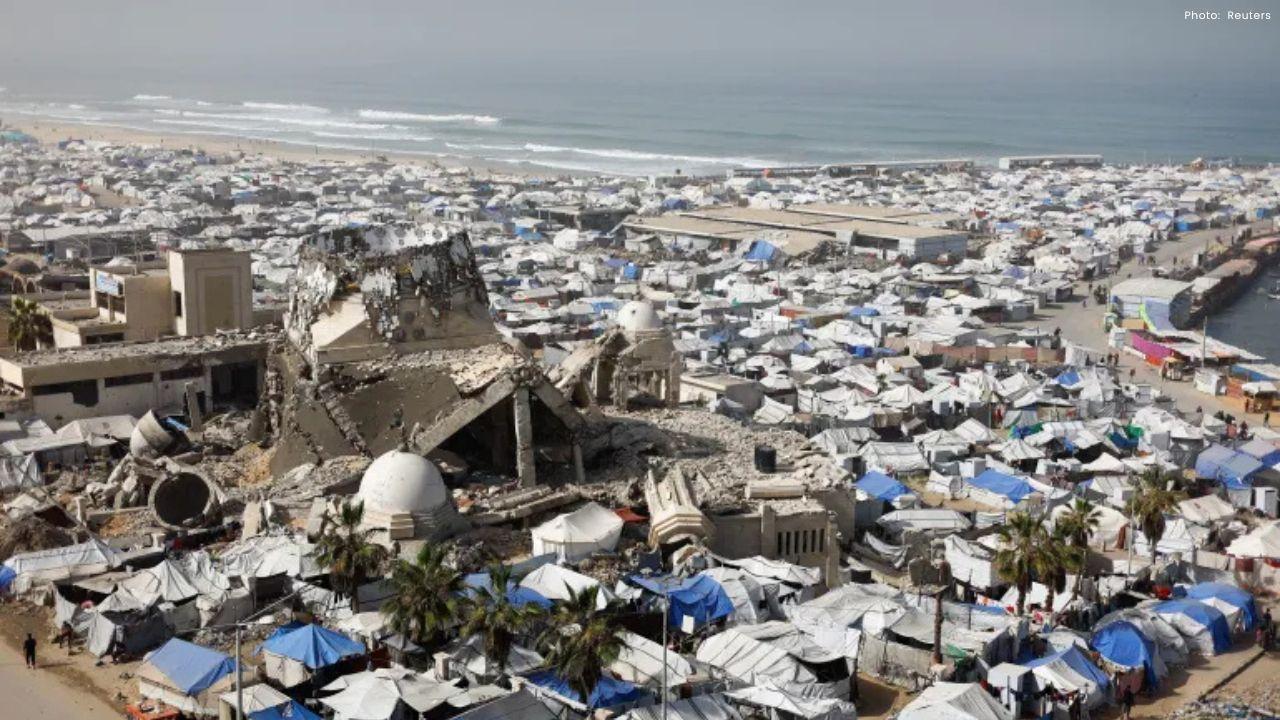
The organizations that filed the petition argue that stopping their work would cause serious harm. Gaza, in particular, depends heavily on international assistance. Years of conflict have damaged infrastructure and weakened the local economy. Many families rely on outside help for basic needs such as food, clean water, and medical treatment.
Aid groups also provide emergency care, mental health support, and protection for children and displaced families. Some operate clinics and mobile health units in areas where hospitals are overcrowded or damaged. Others distribute food and supplies to people who have lost their homes.
Supporters of the government’s position say that security concerns must come first. They argue that careful monitoring of aid organizations is important in a region where armed conflict has been ongoing. According to officials, organizations that follow the new registration process will be allowed to continue working.
Critics, however, warn that strict controls could limit humanitarian access and deepen the suffering of civilians. They believe that aid should remain neutral and independent from political disputes. Humanitarian principles are meant to protect both workers and those receiving help.
The case now rests with Israel’s Supreme Court. The court will review the petition and decide whether to temporarily block the ban while legal arguments continue. The outcome could shape the future of humanitarian operations in the region.
For many people living in Gaza and the West Bank, this legal battle is more than a political issue. It directly affects their daily survival. Food supplies, medical services, and support programs may depend on the court’s decision.
The situation highlights the delicate balance between security and humanitarian needs. Governments have the duty to protect their citizens, but aid groups stress that civilians caught in conflict must not be forgotten. The coming days will be crucial as the court weighs these concerns and determines the path forward.









Reopening of the Strait of Hormuz: New Regulations to Impact Global Trade
Iran reopens the strategic Strait of Hormuz with new regulations affecting oil transport and global

Top 10 Must-See Attractions in NYC for First-Time Explorers
Discover essential experiences for first-time visitors to NYC, including attractions, culture, and i

Starbucks Engages Boyu Capital for Major Chinese Expansion
Starbucks teams up with Boyu Capital, selling a majority stake to boost growth and adapt to the Chin

Three Individuals Charged in Massive Meth Trafficking Case in Malaysia
In Malaysia, a married couple and another suspect are charged with trafficking 510kg of meth, facing

Singapore Police Revisit Geylang Murder Scene with Suspect
In Geylang, police return a murder suspect to the scene of a crime involving the fatal stabbing of a