Post by : Saif Nasser
Hong Kong was once famous for its open and lively press. Journalists questioned leaders freely, newspapers exposed problems in government, and different opinions were easy to find. Today, that picture has changed sharply. Over the past 20 years, Hong Kong’s ranking in a global press freedom index has fallen from 18th place to around 140th. This drop shows how deeply the media environment has shifted.
One major reason for this decline is the closure of pro-democracy media outlets and the growing fear among journalists. Since 2020, when Beijing imposed a national security law on Hong Kong, many reporters say they now face clear limits on what they can write. The law was introduced after large protests in 2019, and authorities said it was needed to bring stability. Critics, however, say it has reduced basic freedoms, including press freedom.
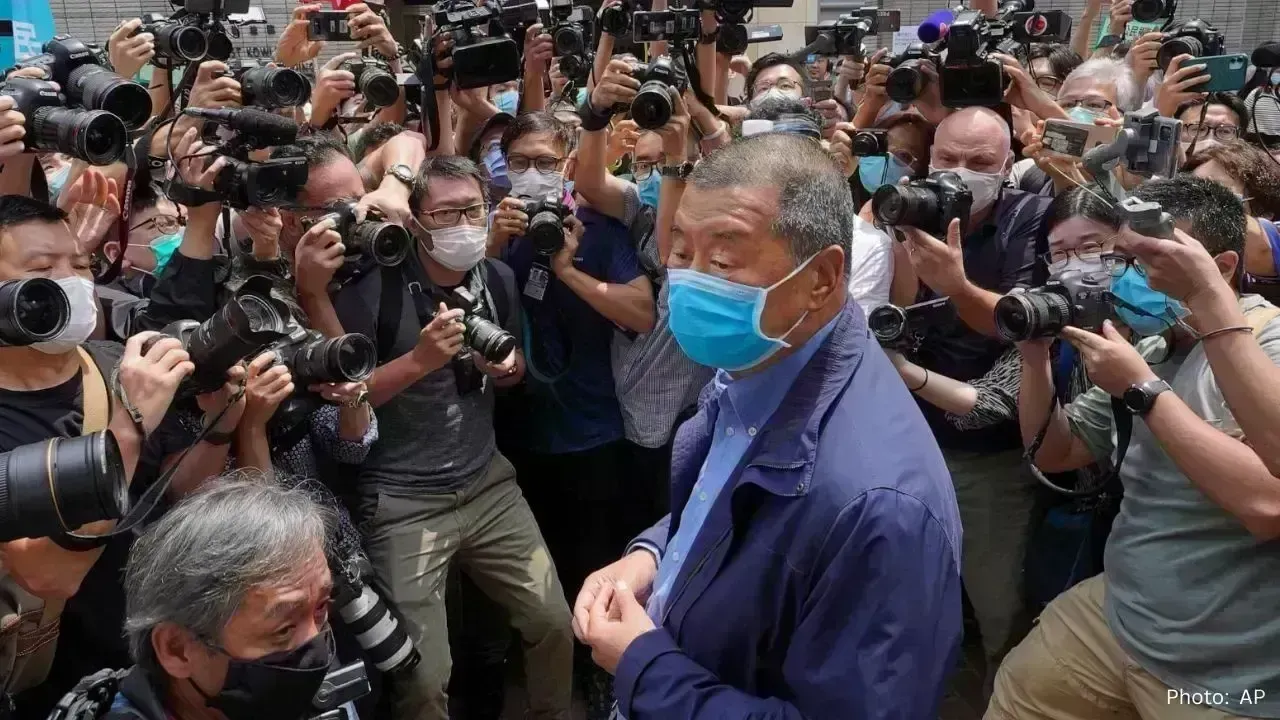
The case of Apple Daily is often seen as a turning point. The newspaper was known for its strong criticism of authorities. Its founder, Jimmy Lai, was arrested and later convicted under the national security law. He now faces the possibility of life in prison. His trial has drawn attention from foreign governments and media groups, who see it as a test of how free journalism still is in Hong Kong. The government says his case is about national security, not media work.
In 2021, Apple Daily was forced to shut down after police raids and the freezing of its assets. Around the same time, online outlet Stand News was also closed following arrests and asset freezes. These actions sent a strong message to the media industry. By 2022, Hong Kong’s press freedom ranking dropped sharply, reflecting growing concern worldwide.
In later years, journalists themselves became targets. In 2024, two Stand News editors were convicted of publishing seditious articles, the first such case against journalists since Hong Kong returned to Chinese rule in 1997. These cases showed that writing strong criticism, once common in the city, could now carry serious legal risks.
Media experts say this has led to rising self-censorship. Journalists avoid sensitive topics, use softer language, or decide not to publish certain stories at all. This caution is not only political. Many news outlets depend on advertising and large companies, some of which have close ties with mainland China. Upsetting these groups can threaten a media company’s survival.
Another challenge is finding people willing to speak. Many activists, politicians, and even ordinary citizens fear trouble if they share their views. As a result, reporters struggle to get voices for their stories. This silence makes it harder for the public to understand what is really happening.
A deadly apartment fire in late 2025 showed how the situation works in practice. Journalists quickly reported on the tragedy, interviewed victims, and asked questions about safety and government oversight. Soon after, warnings were issued, some people were arrested, and public discussion slowed. Planned news events were canceled, online posts disappeared, and people who had spoken out stopped talking.
Journalists’ groups say the pressure is often quiet and indirect. Some reporters face audits, legal stress, or harassment. These actions create fear without open bans, pushing people to censor themselves.
The Hong Kong government says rights and freedoms are protected by law and rejects claims of suppression. Still, many journalists say the cost of free reporting has become very high.
Even so, some media workers continue trying to report facts carefully and responsibly. While Hong Kong’s press freedom is far from what it once was, journalists are still finding ways to work within a much smaller space. The future of the city’s media will depend on how much room remains for honest reporting without fear.






The Impact of Consistent Small Investments on Wealth Building
Discover how investing small amounts regularly can positively transform your financial future over t

7.5 Magnitude Earthquake Strikes Japan, Tsunami Alerts Issued
Japan experiences a hefty 7.5 quake, prompting tsunami alerts and safety measures. Stay updated on a

Reopening of the Strait of Hormuz: New Regulations to Impact Global Trade
Iran reopens the strategic Strait of Hormuz with new regulations affecting oil transport and global
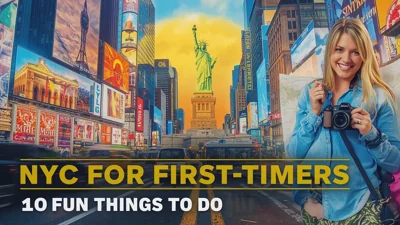
Top 10 Must-See Attractions in NYC for First-Time Explorers
Discover essential experiences for first-time visitors to NYC, including attractions, culture, and i

Starbucks Engages Boyu Capital for Major Chinese Expansion
Starbucks teams up with Boyu Capital, selling a majority stake to boost growth and adapt to the Chin
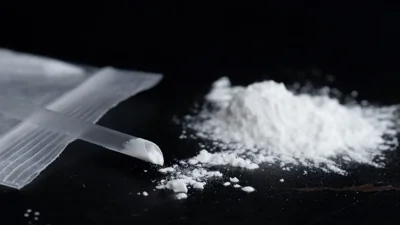
Three Individuals Charged in Massive Meth Trafficking Case in Malaysia
In Malaysia, a married couple and another suspect are charged with trafficking 510kg of meth, facing