Post by : Saif Nasser
Finance ministers from the world’s leading economies met in Washington to discuss how to reduce their growing dependence on rare earth minerals supplied by China. These minerals are essential for many modern industries, including defense, clean energy, electronics, and advanced technology. The meeting shows rising concern among major nations about supply risks and long-term security.
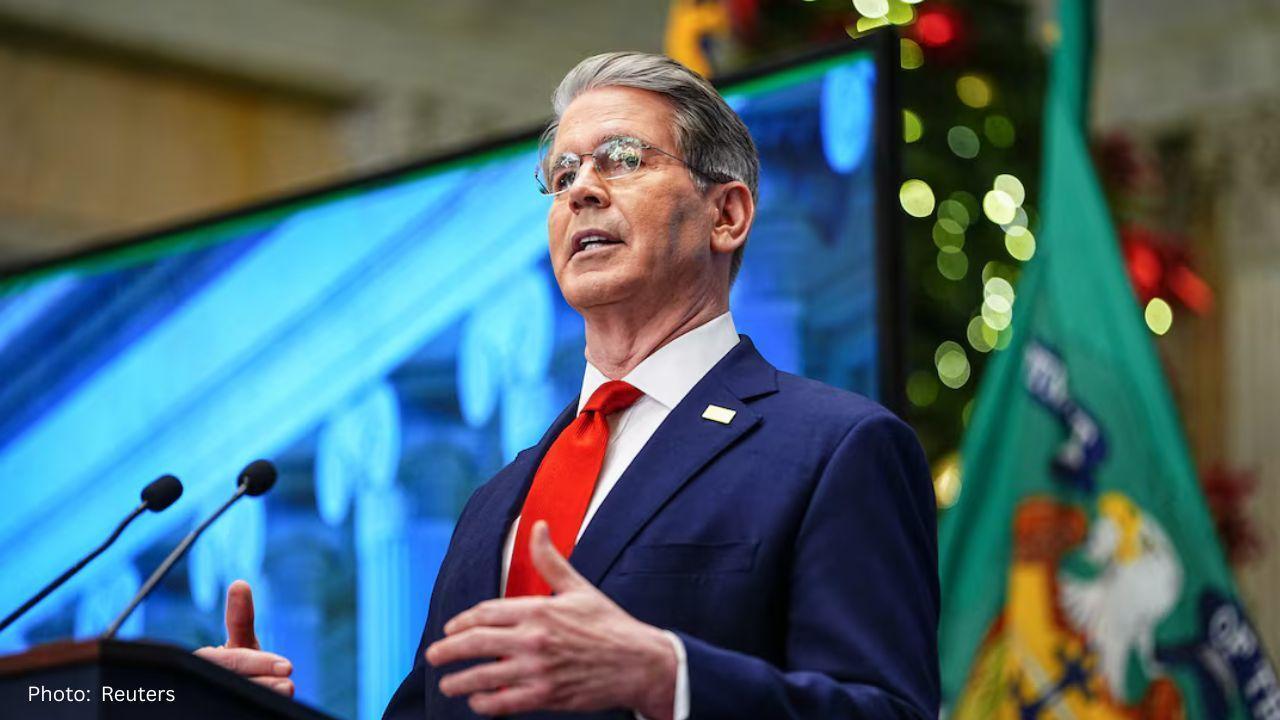
The discussion was led by U.S. Treasury Secretary Scott Bessent and included finance ministers from the G7 countries, which are the United States, Japan, Britain, France, Germany, Italy, and Canada. Officials from Australia, India, South Korea, and Mexico also joined the talks. Although no joint statement was released, officials said there was broad agreement on the need to act quickly.
Rare earth minerals are used in products such as electric vehicle batteries, wind turbines, smartphones, missiles, and computer chips. While demand comes from many countries, China controls a large part of the global supply chain. Experts say China refines most of the world’s rare earths and several other key minerals, giving it strong influence over global markets.
Concerns have increased after China imposed strict export controls on certain rare earth supplies, including limits affecting Japan. These steps raised fears that supply disruptions could harm industries and national security in other countries. U.S. officials said the goal of the meeting was not to completely cut ties with China, but to reduce risk by building alternative supply chains.
Japan’s finance minister said there was strong agreement among the countries present that reliance on China must be reduced. She explained that governments need to follow short-term, medium-term, and long-term plans to develop new sources of supply. These plans include supporting markets that respect labor rights, human rights, and environmental standards.
Several policy tools were discussed during the meeting. These include financial support from public institutions, tax incentives, trade measures, and even setting a minimum price for rare earth minerals to encourage new producers. Leaders believe these steps could help make mining and processing outside China more attractive to investors.
European leaders stressed that their region must move faster and rely more on its own efforts. Germany’s finance minister warned against waiting or complaining and said Europe must actively invest in raw materials and recycling. Recycling was highlighted as a strong option to reduce dependence and increase supply over time.
South Korea also emphasized the need to strengthen global supply chains through cooperation and recycling. Officials said partnerships between companies across countries could help make supply chains more stable. Canada and Australia showed interest in working with partners on technology and mineral processing.
The meeting made it clear that securing rare earth supplies will be a major global issue in the coming years. As demand for clean energy and advanced technology continues to grow, countries are now moving from concern to action. While many details still need to be worked out, the talks marked an important step toward a more balanced and secure global supply of critical minerals.









The Impact of Consistent Small Investments on Wealth Building
Discover how investing small amounts regularly can positively transform your financial future over t

7.5 Magnitude Earthquake Strikes Japan, Tsunami Alerts Issued
Japan experiences a hefty 7.5 quake, prompting tsunami alerts and safety measures. Stay updated on a

Reopening of the Strait of Hormuz: New Regulations to Impact Global Trade
Iran reopens the strategic Strait of Hormuz with new regulations affecting oil transport and global

Top 10 Must-See Attractions in NYC for First-Time Explorers
Discover essential experiences for first-time visitors to NYC, including attractions, culture, and i

Starbucks Engages Boyu Capital for Major Chinese Expansion
Starbucks teams up with Boyu Capital, selling a majority stake to boost growth and adapt to the Chin

Three Individuals Charged in Massive Meth Trafficking Case in Malaysia
In Malaysia, a married couple and another suspect are charged with trafficking 510kg of meth, facing