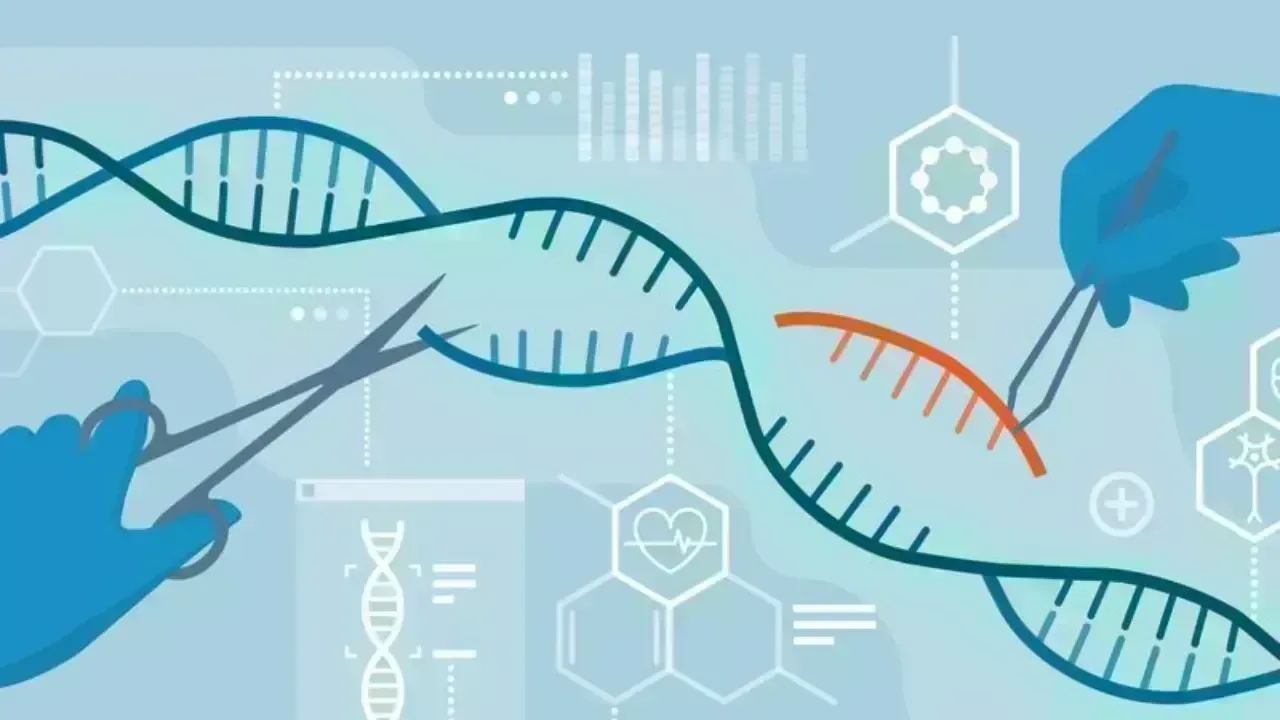
Post by : Anees Nasser
As 2025 progresses, the field of genetic editing finds itself at a pivotal intersection between groundbreaking scientific achievements and significant ethical dilemmas. What started as basic gene modifications years ago has now blossomed into a suite of sophisticated technologies capable of altering life’s very blueprint. Today, scientists can address genetic disorders before birth, cultivate crops resistant to disease, modify immune cells to combat cancers, and even delve into realms once thought to be pure fantasy.
Yet, with the expansion of genetic editing capabilities come pressing questions. How far should we venture? Who has the authority to determine which modifications are permissible? What happens if treatments for illness morph into methods of enhancement? These issues will define the direction of genome engineering in the coming years.
This article delves into the current landscape of genetic editing, from its technological breakthroughs to the ethical borders we must navigate.
CRISPR-Cas systems are recognized as the leading-edge instrument in genetic editing, allowing researchers to:
cut DNA at designated sites
eliminate harmful genetic sequences
insert corrected genetic sequences
activate or deactivate genes
The speed, cost-efficiency, and precision of CRISPR have rendered it the backbone of today’s genetic engineering initiatives.
While CRISPR focuses on cutting DNA strands, base and prime editing techniques facilitate modifications without the creation of double-strand breaks, thereby minimizing risks and inaccuracies.
Base Editing allows for single-base modifications, perfect for correcting genetic disorders caused by minor mutations.
Prime Editing functions like a highly precise molecular editor, substituting or adding larger segments of DNA with exceptional accuracy.
These cutting-edge tools are crucial in advancing therapies for complex and rare genetic disorders.
RNA editing involves altering gene expression without modifying the underlying DNA sequence, serving critical roles in:
therapeutic testing
regulating gene expression
addressing diseases where permanent alterations could pose risks
RNA tools afford researchers flexibility and the ability to explore genetic avenues safely.
By 2025, gene therapy has progressed to the point where some hereditary conditions can be resolved in utero. For diseases like spinal muscular atrophy, advanced genetic editing can avert irreversible consequences before birth.
This marks a revolutionary turn in medical practice, shifting focus from treatment to preventative measures at the earliest possible juncture.
Innovations in CAR-T cell therapy and other modified cellular treatments have made strides. Researchers can now:
engineer immune cells to identify and eliminate tumors
enhance natural immune responses
minimize risks of toxicity and rejection
Such personalized medical approaches offer renewed hope for patients facing previously untreatable cancers.
In 2025, innovations in genetic editing are enhancing food security, yielding:
crops resilient to drought
disease-resistant varieties
high-yield agricultural products
nutrient-rich food options
These technologies empower farmers to cultivate climate-resilient produce while significantly reducing dependence on pesticides and fertilizers.
Genetic advancements have led to significant progress in xenotransplantation — the transplantation of animal organs into humans. By eliminating detrimental genes and altering immune signatures, scientists are getting closer to creating organs from animals that can be accepted without severe rejection.
Preimplantation genetic editing enables parents carrying harmful genetic mutations to conceive children devoid of certain inherited health concerns. Although still contentious, these technologies are becoming technically viable and are slowly progressing toward medical regulation.
One of the most pressing debates in 2025 is whether genetic editing should solely serve medical purposes or if enhancements—like increased intelligence, improved eyesight, or enhanced physical capabilities—should be permissible.
Critics express concerns that enhancement editing could result in:
genetic disparity
the prevalence of designer babies
new discriminatory practices
unforeseen long-term biological ramifications
Conversely, advocates argue that enhancement is merely an extension of human evolution.Access and Equity: Who Benefits?
The high costs of advanced genetic editing treatments raise alarms that only the affluent will gain access to these innovations. This could exacerbate global health inequalities, providing privileged classes with biological advantages that remain inaccessible to others.
Achieving equitable access stands as a significant ethical hurdle.
Even with the latest precision technologies, genetic editing involves risks such as:
unintended mutations
long-term effects
unexpected gene interactions
traits modified for future generations
The long-term implications of germline editing — alterations affecting unborn children and their descendants — remain unpredictable.
Editing limited to the treated individual, known as somatic editing, is now broadly accepted for diseases with clear therapeutic outcomes. Numerous nations are establishing frameworks for clinical trials and controlled treatment modalities.
This includes:
gene modifications targeting cancers
treatments for blood ailments
interventions for metabolic disorders
therapies addressing immune deficiencies
Somatic editing is regarded as the safest and most ethically sound form of genetic intervention.
Alterations impacting embryos, sperm, or eggs— which could affect future generations— remain highly regulated or prohibited across numerous nations. Authorities are concerned about:
genetic unpredictability
heritable mutations
ethical infringements
potential misuse for enhancements
Scientific institutions worldwide urge caution in proceeding until long-term safety data is accessible.
While scientific progress is swift, global regulations tend to lag, creating discrepancies in national policies regarding acceptable practices. This inconsistent framework complicates research and raises concerns over “genetic tourism,” where individuals seek procedures in jurisdictions with lax regulations.
Despite significant progress, challenges persist in 2025:
Diseases that are influenced by multiple genes—such as diabetes, heart ailments, Alzheimer’s, and autism—remain challenging to tackle purely through genetic modifications, owing to their multifaceted gene-environment interactions that are not yet fully comprehended.
A primary obstacle in genetic editing rests in the effective delivery of genetic edits to the intended tissues. Current methods, such as viral vectors and lipid nanoparticles, show promise but still fall short.
Innovators are exploring:
targeted nanoparticles
enhanced viral vectors
non-viral delivery techniques
next-generation molecular carriers
Although small genetic edits can be performed with high accuracy, the challenges in integrating or rearranging large DNA segments remain substantial and risky.
Future developments may enable entirely personalized genetic profiles, allowing not just for treatments of present conditions but also for optimizing health from infancy.
Genetic editing could facilitate:
repair of damaged DNA
restoration of cellular youthfulness
slowing or even reversing signs of aging
While such advancements remain in early development, they hold significant promise.
Scientists are envisaging the editing of human genes to foster immunity against lethal viruses, aiming to mitigate the spread and effects of pandemics.
Research is underway in creating artificial gene frameworks and synthetic chromosomes, potentially leading to new biological capabilities previously unseen in nature.
Techniques such as gene drives hold the promise for regulating mosquito populations, conserving endangered species, or curtailing invasive organisms, though they necessitate meticulous ecological evaluation.
In 2025, genetic editing stands poised at a new threshold of unprecedented opportunities coupled with immense responsibilities. The potential to cure hitherto incurable diseases, revolutionize agriculture, and redefine our understanding of biology is at hand. Nevertheless, the accompanying ethical, social, and biological implications merit careful consideration.
The limits of our advancements depend not only on the capabilities of science but also on society’s willingness to accept and embrace them. The upcoming years will be crucial in determining whether genetic editing serves as a catalyst for equitable global progress or as a mechanism that exacerbates existing inequalities.
One clear truth endures: the future of life has begun to be rewritten, one gene at a time.
Disclaimer: This text provides a non-technical overview of advancements in genetic editing and associated ethical concerns and should not be construed as scientific, medical, or legal guidance.










Anticipated Dates for UAE Eid Al Adha 2026 Unveiled by Astronomical Experts
Experts predict Eid Al Adha 2026 in the UAE to start on May 27, prompting early holiday planning amo

DAE Achieves Remarkable Growth in Q1 2026 With Record Revenue
Dubai Aerospace Enterprise announces impressive financial results for Q1 2026, reflecting a surge in

Price Increase for Sony PS5 in Southeast Asia Effective May 1
Sony announces a price increase for the PS5 across Southeast Asia starting May 1, 2026, impacting ga

Potential ‘Super El Niño’ in 2026: Understanding the Climate Risks
Could a Super El Niño emerge in 2026? Discover its implications and potential global climate impacts

Global Energy Crisis Intensifies: Markets React to Oil Supply Challenges
Markets are on edge as oil disruptions escalate, influencing prices and economic stability. Explore

Must-See Tourist Spots in London You Can't Overlook
Explore London's essential attractions, from royal landmarks to vibrant markets, ensuring an unforge




