Post by : Saif Nasser
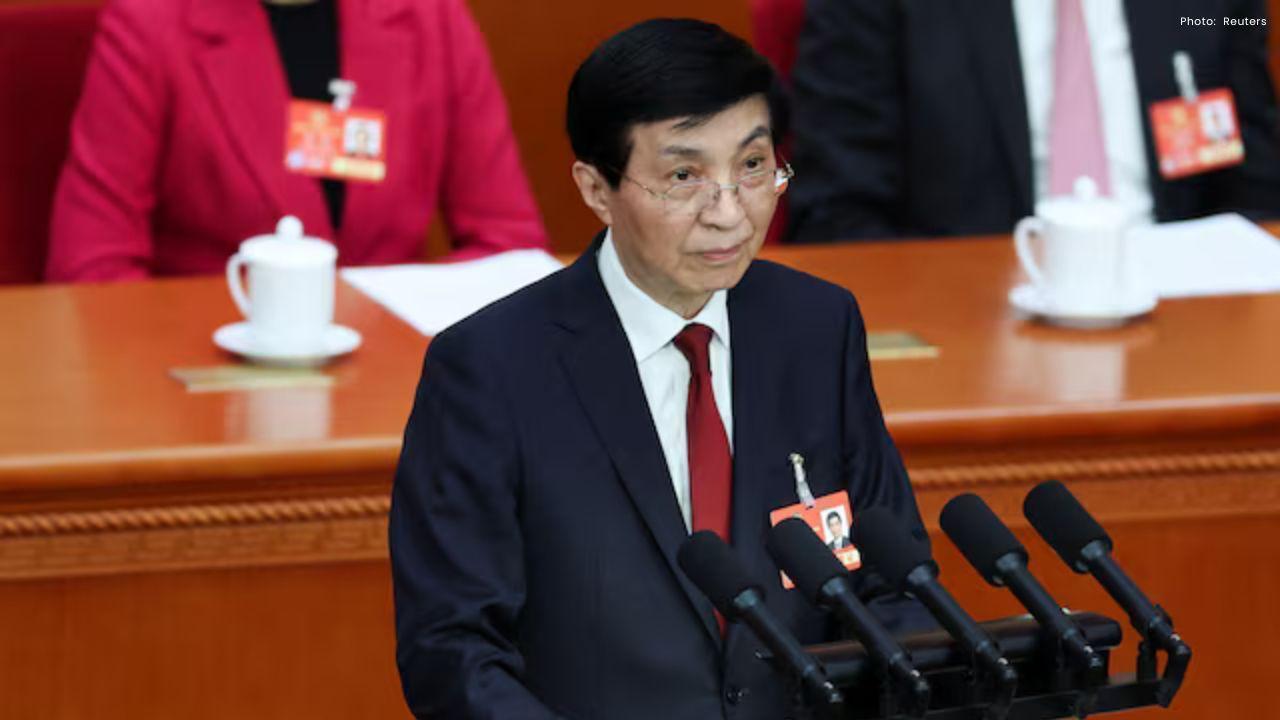
China has announced that it will increase support for what it calls “pro-reunification forces” in Taiwan and take firm action against groups it describes as separatists. The message came from a senior Chinese leader during an annual policy meeting focused on Taiwan. The statement shows that tensions between Beijing and Taipei remain high and may grow stronger in the coming months.
At the meeting, a top Chinese official said the country must continue to work toward what it calls national reunification. China considers Taiwan part of its territory, even though Taiwan has its own government, military, and elections. Taiwan’s leaders strongly reject Beijing’s claim and say only the people of Taiwan can decide their future. This basic disagreement has been at the center of cross-strait tensions for many years.
Chinese state media reported that officials were told to support groups and individuals inside Taiwan who favor closer ties or unification with mainland China. At the same time, Beijing promised strict action against movements that support formal Taiwan independence. Chinese officials also warned against what they called foreign interference in the Taiwan issue, a phrase often used to criticize the United States and its allies for their support of Taiwan.
China’s defense ministry added a sharper military warning. A spokesperson said that if Taiwan’s armed forces move toward independence or trigger conflict, they would face severe consequences. While China did not announce any immediate military action, such language increases pressure and raises concern in the region. China has not ruled out the use of force in the long-running dispute.
Taiwan’s government continues to reject Beijing’s sovereignty claims. Taiwanese leaders say their system is democratic and separate, and they point to Hong Kong as an example of why they do not trust Beijing’s promises. China once offered Taiwan a “one country, two systems” model, similar to what was used in Hong Kong. But most major political parties in Taiwan oppose this idea. They argue that freedoms in Hong Kong have been reduced under national security laws, making the model unattractive and risky.
The Taiwan issue is also a major point of tension between China and the United States. Washington does not officially recognize Taiwan as an independent country, but it maintains close ties and sells defensive weapons to the island. Beijing strongly opposes these arms sales and says Taiwan is an internal matter. Chinese leaders have recently repeated that Taiwan is the most sensitive topic in U.S.–China relations.
Political signals are mixed in some areas. Chinese officials recently met a delegation from Taiwan’s main opposition party, the Kuomintang, which generally supports more engagement with Beijing. According to people involved in the visit, the talks focused on practical topics such as tourism and technology, not political status. Even so, such meetings show that some communication channels remain open despite rising tension.
From an editorial point of view, the latest statements from Beijing show a strategy that mixes political outreach with strong warnings. Support for friendly groups, pressure on opponents, and military messaging are all being used at the same time. This approach may strengthen China’s position with its supporters, but it also risks increasing fear and mistrust in Taiwan.
Peace and stability in the Taiwan Strait are important not only for the people on both sides, but also for global trade and security. Many of the world’s most advanced computer chips are made in Taiwan, and any conflict could affect supply chains worldwide. That is why global powers are watching every statement and move very closely.
The situation calls for careful diplomacy, steady communication, and restraint from all sides. Strong words may send a message, but long-term stability usually depends on dialogue and trust-building steps, not threats alone.






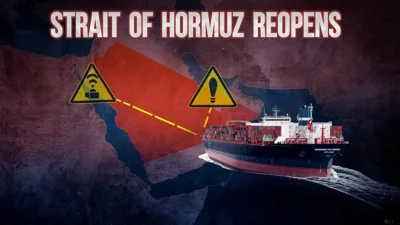
Reopening of the Strait of Hormuz: New Regulations to Impact Global Trade
Iran reopens the strategic Strait of Hormuz with new regulations affecting oil transport and global

Top 10 Must-See Attractions in NYC for First-Time Explorers
Discover essential experiences for first-time visitors to NYC, including attractions, culture, and i

Starbucks Engages Boyu Capital for Major Chinese Expansion
Starbucks teams up with Boyu Capital, selling a majority stake to boost growth and adapt to the Chin

Three Individuals Charged in Massive Meth Trafficking Case in Malaysia
In Malaysia, a married couple and another suspect are charged with trafficking 510kg of meth, facing
Singapore Police Revisit Geylang Murder Scene with Suspect
In Geylang, police return a murder suspect to the scene of a crime involving the fatal stabbing of a