Post by : Saif Nasser
A new investigation has raised serious concerns about the growing danger of the Sudan civil war spreading beyond its borders. According to findings based on satellite images, official notes, and multiple sources, a secret training camp is believed to be operating in western Ethiopia near the Sudan border. The camp is said to be training fighters linked to Sudan’s Rapid Support Forces, also known as the RSF. If these claims are correct, it could mark a major shift in the conflict and increase the risk of wider regional instability.
Sudan’s civil war began in 2023 after a power struggle between the national army and the RSF. What started as a political and military dispute quickly turned into a brutal conflict. Cities were destroyed, thousands of civilians were killed, and millions were forced to flee their homes. Hunger and disease followed. Neighboring countries are already dealing with refugee flows and border pressure. Any new cross-border military activity could make the crisis even more dangerous.
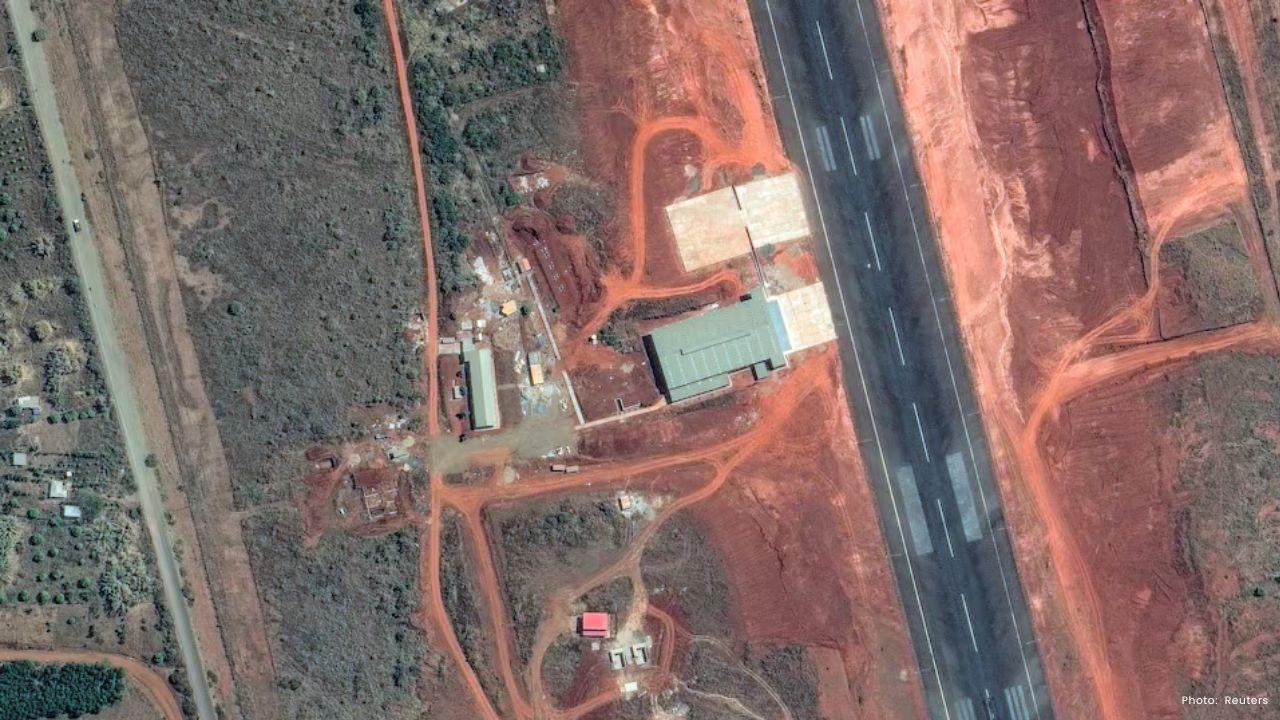
The investigation describes a camp built in Ethiopia’s Benishangul-Gumuz region, close to Sudan and South Sudan. Satellite pictures show that forest land was cleared and large groups of tents and metal-roof buildings were set up over several months. Heavy trucks, earth-moving machines, and shipping containers were also seen in the images. Analysts who reviewed the pictures said the layout looks like a large training and staging ground that could hold thousands of people. Reports from sources say that activity at the site increased late last year and continues to grow.
Sources also say that nearby Asosa airport has been expanded and upgraded. Satellite images show new hangars, paved areas, and equipment that experts believe could support drone operations. Similar setups exist at other known drone bases. Some security experts believe the airport could be used to support operations near the Sudan border. This adds another layer of concern because drone warfare can quickly change the balance in local conflicts.
Another sensitive part of the report involves possible foreign support. Several sources claimed that the United Arab Emirates helped finance the camp and provided trainers and logistics support. Some documents reviewed by reporters reportedly support this claim. However, the UAE has clearly denied any role in Sudan’s war or in supporting armed groups there. Officials said the country is not involved in the fighting in any way. Because direct proof has not been made public, this part of the story remains disputed.
There has been limited public response from other parties named in the findings. Ethiopian government offices, military representatives, and RSF spokespeople did not give detailed answers to questions about the camp. A Sudanese rebel group mentioned by some sources denied that its members were present there. In conflict zones, silence and denial are common, especially when military matters are involved. Independent access to the area is very difficult, which makes full verification harder.
The location of the reported camp adds to the concern. It is not far from the Grand Ethiopian Renaissance Dam, one of Africa’s most important power projects. Some diplomats and regional observers worry that if fighting spreads, key infrastructure could be threatened. Even rumors of military buildup near such sites can raise tensions between countries that already have fragile relations.
The larger issue is what this means for the future of the Sudan conflict. Wars often grow when outside support, cross-border training, and hidden supply lines become involved. Such actions can give armed groups more strength and reduce the chances of successful peace talks. Proxy involvement — when countries support forces without open admission — has a long history of extending wars and increasing civilian suffering.
The people paying the highest price are ordinary Sudanese families. Many already face hunger, fear, and displacement. Children have lost access to school and healthcare. Aid groups struggle to reach those in need. Any move that adds more fighters and weapons into the conflict zone is likely to deepen this human tragedy.
This situation shows why openness and accountability matter. Governments in the region should clearly explain their actions and allow neutral observers where security permits. Regional organizations and international bodies should push harder for verified facts and renewed peace efforts. Quiet military moves and secret projects only increase mistrust and make solutions harder to reach.
Peace in Sudan will not come through hidden camps and expanding battle lines. It will only come through negotiation, pressure for ceasefire, and honest regional cooperation.









Reopening of the Strait of Hormuz: New Regulations to Impact Global Trade
Iran reopens the strategic Strait of Hormuz with new regulations affecting oil transport and global

Top 10 Must-See Attractions in NYC for First-Time Explorers
Discover essential experiences for first-time visitors to NYC, including attractions, culture, and i

Starbucks Engages Boyu Capital for Major Chinese Expansion
Starbucks teams up with Boyu Capital, selling a majority stake to boost growth and adapt to the Chin

Three Individuals Charged in Massive Meth Trafficking Case in Malaysia
In Malaysia, a married couple and another suspect are charged with trafficking 510kg of meth, facing

Singapore Police Revisit Geylang Murder Scene with Suspect
In Geylang, police return a murder suspect to the scene of a crime involving the fatal stabbing of a