Post by : Saif Nasser
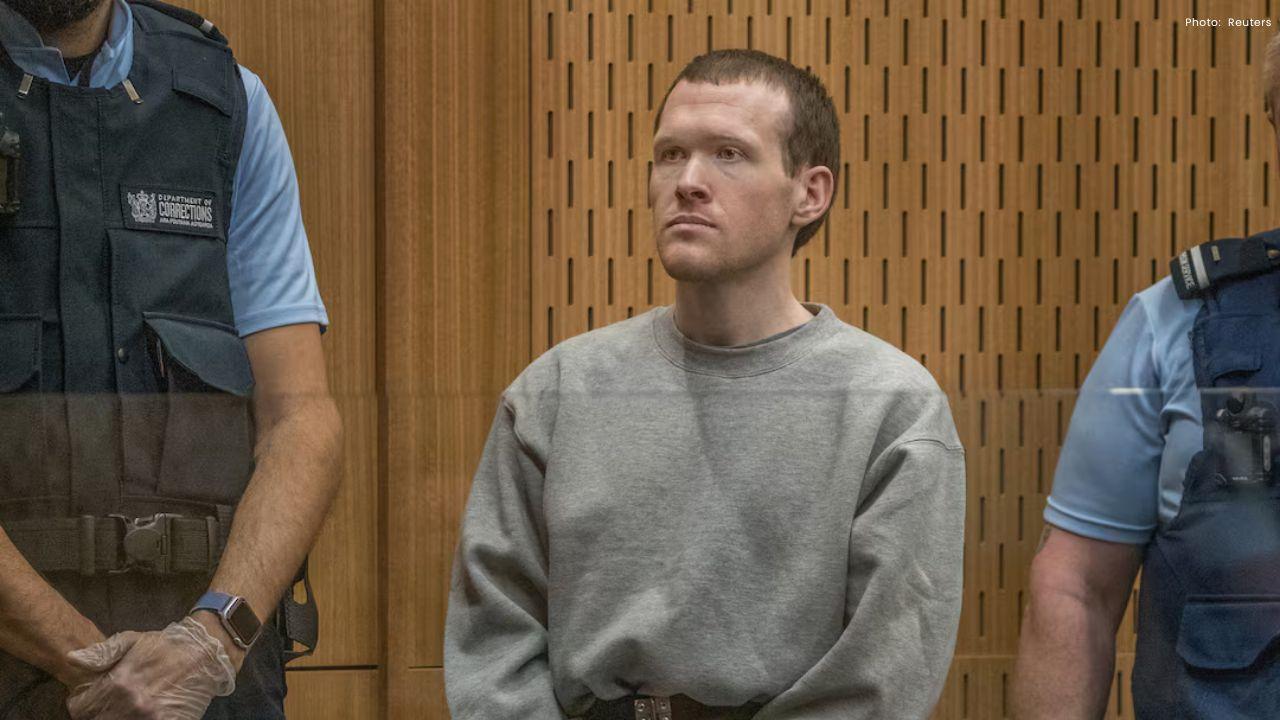
New details have come out in a New Zealand appeal court about the mental condition of the man convicted in the Christchurch mosque attacks. His former lawyers told judges that while he showed signs of anxiety during his earlier court process, he did not appear depressed or mentally unfit when he decided to plead guilty.
The attacker is serving life in prison without parole for the 2019 shootings at two mosques in Christchurch, where 51 Muslim worshippers were killed and many others were injured. The attack deeply shocked New Zealand and led to strict new gun control laws and stronger action against violent extremism.
Years after his conviction, the case is back in court because he is trying to overturn his guilty plea and get a new trial. He claims that very strict prison conditions at the time hurt his mental health and influenced his decision to admit guilt.
During the appeal hearing, two lawyers who represented him in the early stage of the case shared their observations. They said he complained about his treatment in custody, including tight security steps and protective clothing used for inmates seen as a risk to themselves. But they also said he appeared to settle into the routine after some weeks.
The lawyers told the court that mental health experts examined him during that period and found him fit to enter a plea. According to their statements, the reports showed he understood the charges and the court process. They said he was tense and worried, but not depressed and not confused about what he was doing.
One lawyer also said the accused accepted — and even welcomed — being charged under terrorism laws. This suggests he understood the seriousness and meaning of the charges against him at that time.
Appeal judges must now decide whether his guilty plea was truly voluntary and informed. In law, a guilty plea is valid only if a person clearly understands the consequences and is mentally able to decide. Changing a conviction after a plea requires strong proof that the process was unfair or flawed.
This case again raises a difficult legal question: how should courts judge claims that prison conditions affected a defendant’s mental state? Prisons can be stressful places, especially in high-security cases. But stress alone is usually not enough to cancel a guilty plea unless it clearly breaks a person’s ability to think and choose.
The Christchurch attacks still hold deep emotional weight in New Zealand and around the world. Families of victims have often said they want the legal outcome to remain firm and final. At the same time, courts are required to review appeals carefully, even in the most serious crimes, to make sure justice was done properly.
The appeal hearing is set to continue for several days. Judges will study medical reports, lawyer testimony, and prison records before giving their decision.
The outcome will not change the history of the attack, but it will test how the justice system handles mental health claims, prisoner rights, and the rules around guilty pleas in major criminal cases.










Reopening of the Strait of Hormuz: New Regulations to Impact Global Trade
Iran reopens the strategic Strait of Hormuz with new regulations affecting oil transport and global

Top 10 Must-See Attractions in NYC for First-Time Explorers
Discover essential experiences for first-time visitors to NYC, including attractions, culture, and i

Starbucks Engages Boyu Capital for Major Chinese Expansion
Starbucks teams up with Boyu Capital, selling a majority stake to boost growth and adapt to the Chin

Three Individuals Charged in Massive Meth Trafficking Case in Malaysia
In Malaysia, a married couple and another suspect are charged with trafficking 510kg of meth, facing

Singapore Police Revisit Geylang Murder Scene with Suspect
In Geylang, police return a murder suspect to the scene of a crime involving the fatal stabbing of a