Post by : Shweta
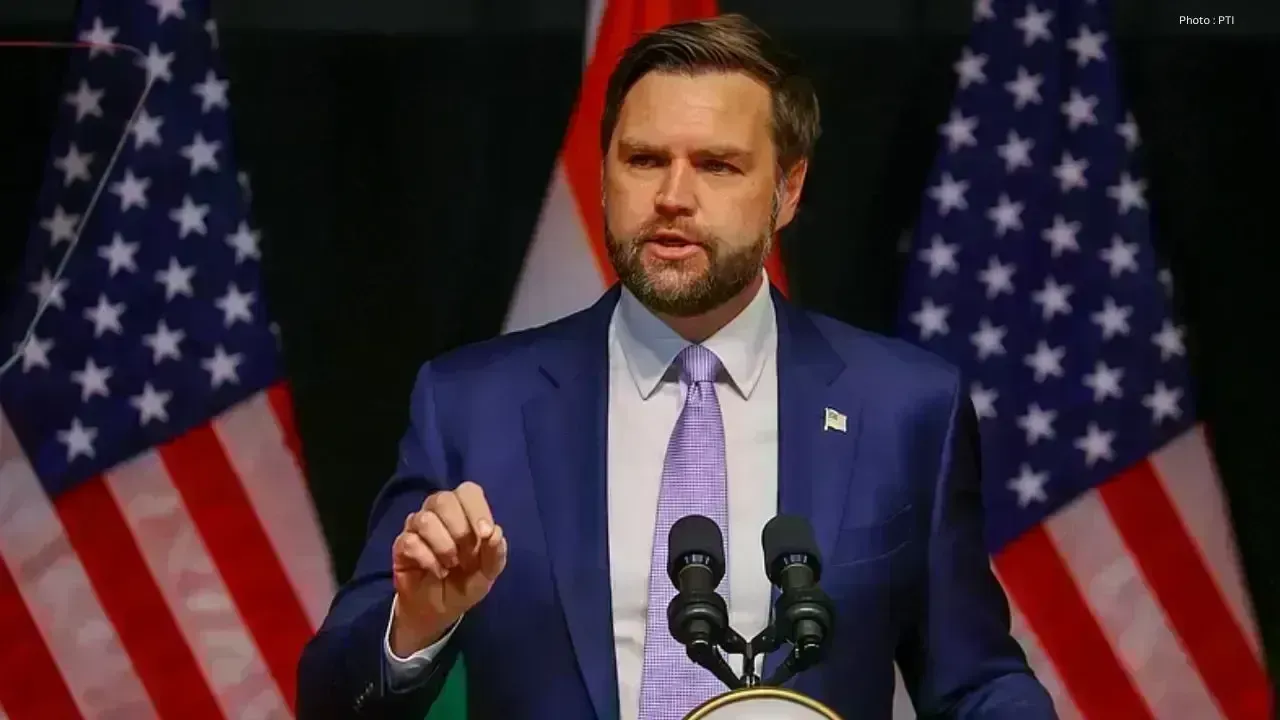
United States Vice President JD Vance is scheduled to visit Pakistan on Tuesday to spearhead pivotal discussions with Iran, focusing on extending or finalising a tenuous ceasefire. The talks are set to take place in Islamabad and may extend beyond a single day.
This visit comes at a crucial juncture, with the existing ceasefire related to the ongoing U.S.-Iran conflict nearing expiration. Officials believe that these talks are vital for averting further escalation and fostering a semblance of stability.
Leading the U.S. delegation alongside Vance are prominent figures like Steve Witkoff and Jared Kushner, underscoring the gravity of the negotiations and the U.S. administration's commitment to achieving a diplomatic resolution.
Initially, there was uncertainty surrounding Vance's attendance, as former President Donald J. Trump suggested that security issues related to the abrupt scheduling might prevent him from participating. However, the White House later confirmed that Vance will indeed lead the delegation.
This marks the second set of direct discussions between the U.S. and Iran hosted in Islamabad, following a previous round earlier this month that extended over 21 hours but lacked a conclusive agreement. Despite the absence of a breakthrough, both parties have expressed a willingness to persist with negotiations.
Pakistan has emerged as a crucial mediator, serving as a conduit for talks between Washington and Tehran. Authorities in Islamabad have indicated their readiness to support extended dialogues and are collaborating closely with both sides to ensure diplomatic channels remain open.
Tensions remain elevated, particularly as Iran has reportedly exhibited reluctance to engage in immediate negotiations while also exerting pressure in strategic locations like the Strait of Hormuz. Concurrently, President Trump has cautioned that a failure to secure an agreement could provoke renewed military actions targeting Iranian infrastructure.
The stakes of these discussions are perceived as high. A successful resolution could alleviate tensions and circumvent escalating hostilities in the region. Conversely, a stalemate could trigger significant escalation, potentially affecting global energy supplies and regional stability.
In summary, the upcoming negotiations in Islamabad represent a critical window for diplomacy amidst heightened tensions and an escalating risk of conflict.








7.5 Magnitude Earthquake Strikes Japan, Tsunami Alerts Issued
Japan experiences a hefty 7.5 quake, prompting tsunami alerts and safety measures. Stay updated on a
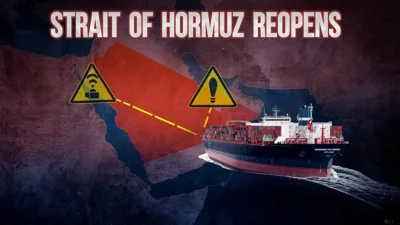
Reopening of the Strait of Hormuz: New Regulations to Impact Global Trade
Iran reopens the strategic Strait of Hormuz with new regulations affecting oil transport and global

Top 10 Must-See Attractions in NYC for First-Time Explorers
Discover essential experiences for first-time visitors to NYC, including attractions, culture, and i

Starbucks Engages Boyu Capital for Major Chinese Expansion
Starbucks teams up with Boyu Capital, selling a majority stake to boost growth and adapt to the Chin

Three Individuals Charged in Massive Meth Trafficking Case in Malaysia
In Malaysia, a married couple and another suspect are charged with trafficking 510kg of meth, facing