Post by : Saif Nasser
The United States will stop collecting certain import tariffs after the Supreme Court ruled that they were illegal. The move is expected to affect billions of dollars in trade revenue and could lead to refund claims from businesses.
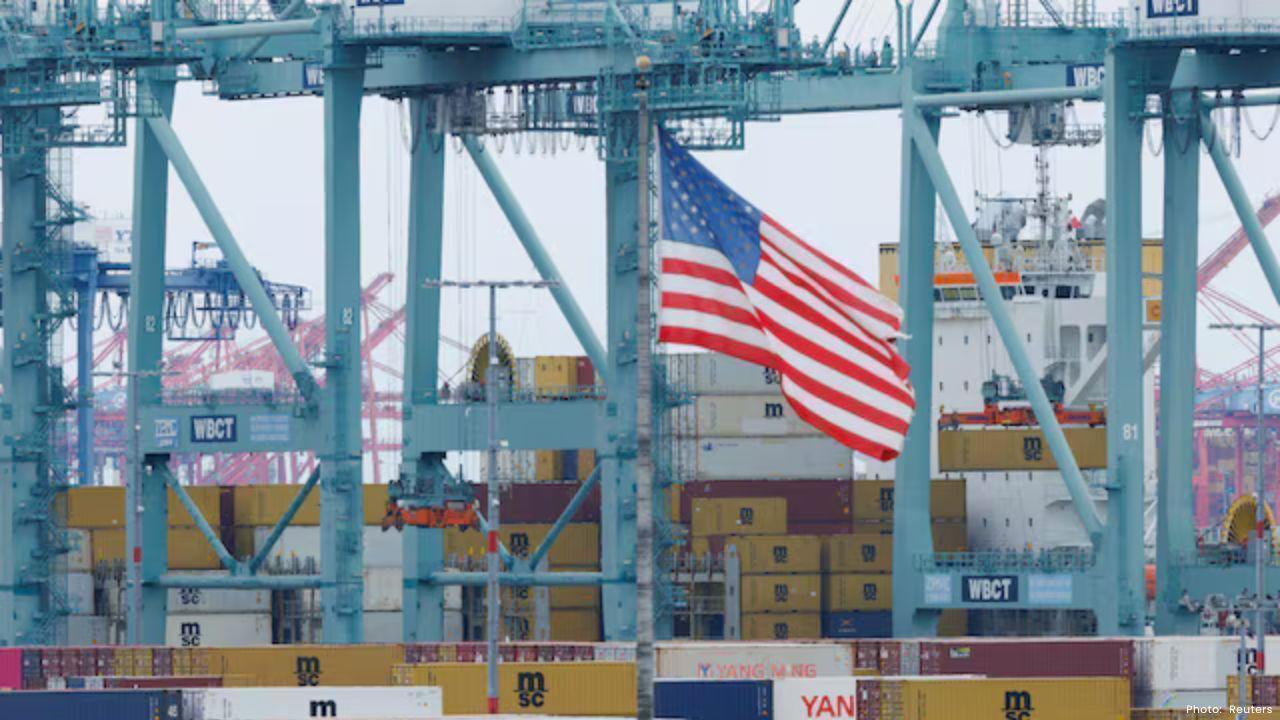
U.S. Customs and Border Protection (CBP) announced that it will stop collecting tariffs imposed under the International Emergency Economic Powers Act (IEEPA) starting at 12:01 a.m. EST on Tuesday. The decision comes several days after the Supreme Court declared the tariffs unlawful.
In a notice sent to shipping companies, CBP said it would deactivate all tariff codes linked to earlier IEEPA-related orders issued by former President Donald Trump. These tariffs had been applied to certain imported goods as part of trade policy measures.
The agency did not explain why it continued collecting the tariffs for days after the court ruling. It also did not provide clear information about whether companies that already paid the duties will receive refunds.
At the same time, President Trump has introduced a new 15% global tariff under a different legal authority. This new tariff replaces the IEEPA-based tariffs but relies on separate laws. Other trade measures, such as tariffs under Section 232 for national security reasons and Section 301 for unfair trade practices, remain unchanged.
Experts say the financial impact could be significant. According to economists from the Penn-Wharton Budget Model, the IEEPA tariffs had generated more than $175 billion in revenue for the U.S. Treasury. They estimated that these tariffs were bringing in over $500 million per day.
If refunds are required, the government could face large repayment claims from companies that paid the duties. However, no official refund plan has yet been announced.
Tariffs are taxes placed on goods imported from other countries. Governments use them to protect local industries or to respond to trade disputes. However, such actions must follow legal rules set by Congress. When the Supreme Court declares a tariff illegal, the government must comply with the ruling.
This case highlights the balance of power in the U.S. system. While the president has authority to take action in trade matters, those actions must stay within the limits of the law. The judiciary plays a key role in reviewing and checking executive decisions.
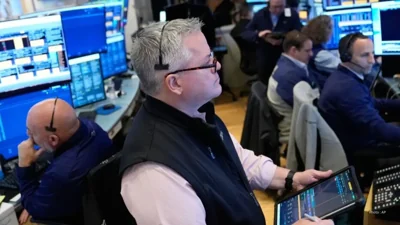
For businesses that depend on imports, the halt in tariff collection may bring short-term relief. However, the new 15% global tariff could continue to raise costs. Companies will need to adjust their plans as trade policies shift.
The situation also creates uncertainty. Businesses want clear rules so they can plan pricing, supply chains, and contracts. Changes in tariffs can affect consumer prices, company profits, and international trade relationships.
CBP has said it will provide further updates to the trade community through official messages. For now, companies are waiting for more details about refunds and how the new tariff structure will work.
The Supreme Court’s ruling is a reminder that even major economic policies must follow legal standards. As the United States adjusts its trade measures, the impact will likely be felt by businesses, consumers, and trading partners around the world.






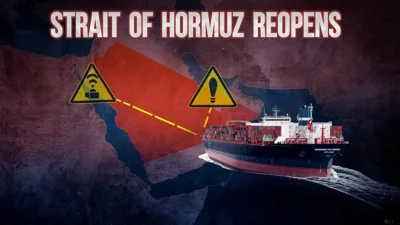
Reopening of the Strait of Hormuz: New Regulations to Impact Global Trade
Iran reopens the strategic Strait of Hormuz with new regulations affecting oil transport and global

Top 10 Must-See Attractions in NYC for First-Time Explorers
Discover essential experiences for first-time visitors to NYC, including attractions, culture, and i

Starbucks Engages Boyu Capital for Major Chinese Expansion
Starbucks teams up with Boyu Capital, selling a majority stake to boost growth and adapt to the Chin

Three Individuals Charged in Massive Meth Trafficking Case in Malaysia
In Malaysia, a married couple and another suspect are charged with trafficking 510kg of meth, facing

Singapore Police Revisit Geylang Murder Scene with Suspect
In Geylang, police return a murder suspect to the scene of a crime involving the fatal stabbing of a