Post by : Priya
Photo:Reuters
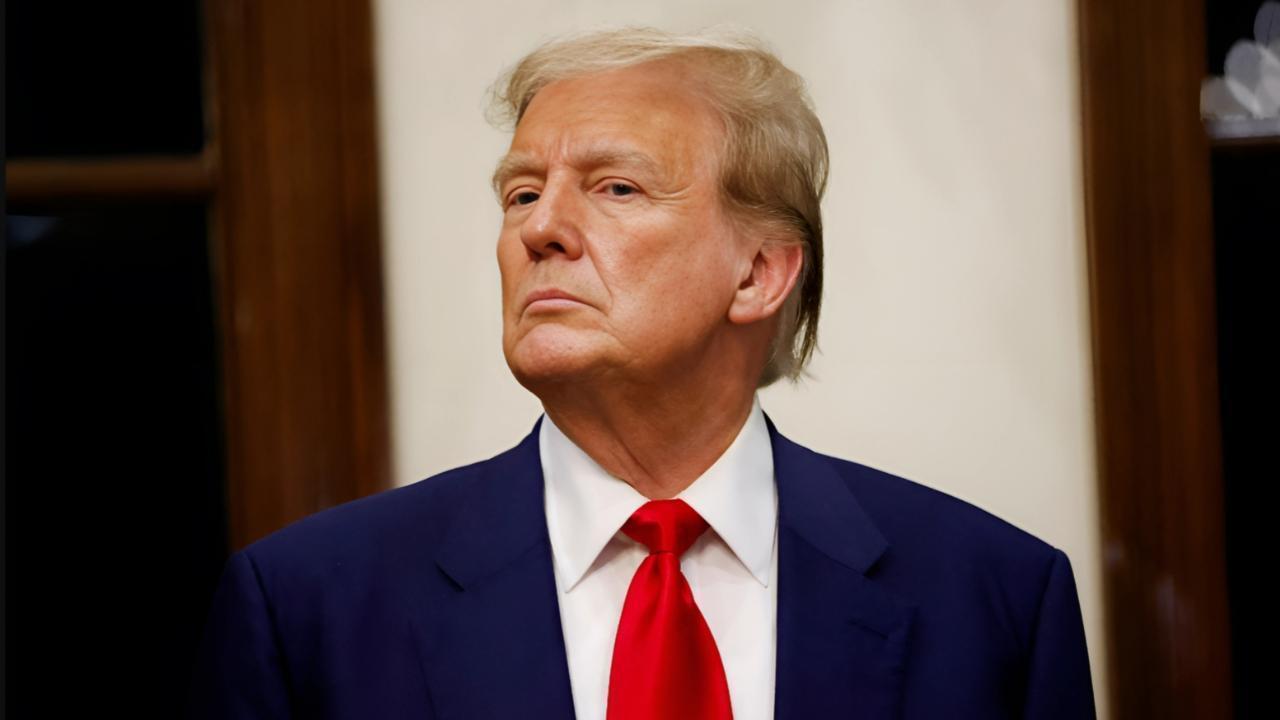
In a significant move that has caught the world’s attention, U.S. President Donald Trump has signed an executive order imposing fresh tariffs on goods imported from 69 countries and the European Union. These tariffs, set to take effect from August 7, 2025, range from 10% to as high as 41%, depending on the country. This sweeping action is part of the Trump administration’s ongoing strategy to reshape global trade relationships, which it describes as seeking “fair and reciprocal” trade terms.
What Are These Tariffs?
The new tariffs impose tax rates on imports from a large number of countries. The highest tariffs hit Syria at 41%, followed by Laos and Myanmar at 40%, Switzerland at 39%, and Iraq and Serbia at 35%. Countries like India, Taiwan, and Vietnam face tariffs in the range of 20% to 25%. For countries not specifically listed in the order, a default tariff rate of 10% will apply.
Significantly, Canada faces a 35% tariff, Brazil 10%, and countries such as Libya and Algeria will endure a 30% duty. The European Union negotiated a partial exemption: goods already taxed above 15% will be spared additional tariffs, while others will face new levies.
Mexico, a major U.S. trading partner, avoided an immediate tariff increase after a phone call between President Trump and Mexican President Claudia Sheinbaum. Mexico received a 90-day reprieve to negotiate a long-term trade deal. Existing tariffs of 25% on automobiles and 50% on metals remain in place.
Why Did the U.S. Impose These Tariffs?
The administration justifies this move as a push to correct what it views as unfair trade practices and to protect American businesses and workers. The tariffs target countries that, according to the White House, have failed to offer “meaningful trade and security commitments” or engage sufficiently in trade talks during the recent pause on country-specific tariffs.
For example, Trump explicitly linked the tariff on India—set at 25%—to concerns about India’s market access for U.S. agriculture products and its energy imports from Russia. Trump expressed bluntly that he was unconcerned about India’s relationship with Russia.
Reactions in Global Markets
The announcement of these tariffs sent global stock markets into a downward spiral. European markets, including the STOXX 600 index, fell by about 1%, its worst weekly decline since April 2025. U.S. stock futures also dropped, signaling expected market weakness at opening, while Asian markets followed suit with losses.
Experts note that while markets are somewhat acclimated to tariffs after earlier rounds in 2025, the sheer scale and breadth of this announcement underscore persistent market uncertainty. Industries dependent on exports to the U.S., such as textiles, automobiles, pharmaceuticals, and wine production, are bracing for negative impacts, including potential job losses and reduced business investments.
Impact on Trade Relationships
Countries affected by these tariffs are scrambling to negotiate new agreements or adjustments to ease the financial impacts. Australia’s trade minister highlighted a minimum tariff rate of 10%, which could provide a competitive edge in the U.S. market despite the broader tariffs’ challenges.
Mexico’s government hailed its 90-day reprieve as a victory and an opportunity to engage in constructive dialogue, while India braces for the tariffs despite ongoing trade talks scheduled for later in August.
The tariffs heighten tensions in global trade, signaling a challenging period ahead for international relations. Many economists warn that these measures may slow global growth and could lead to retaliatory actions, further complicating trade dynamics.
Trade Policy and National Security
President Trump’s executive order cites concerns over national security and economic imbalances as major motives for the new tariffs. The administration is using what it calls “emergency powers” to impose these duties, framing them as necessary steps to protect American industries from unfair foreign competition and to address trade deficits.
While the outcome hinges on upcoming negotiations, the message from Washington is clear: countries must agree to terms more favorable to the U.S. or face tariffs that will increase costs on their goods.





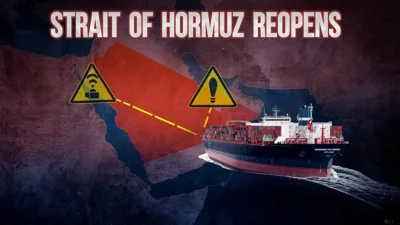
Reopening of the Strait of Hormuz: New Regulations to Impact Global Trade
Iran reopens the strategic Strait of Hormuz with new regulations affecting oil transport and global

Top 10 Must-See Attractions in NYC for First-Time Explorers
Discover essential experiences for first-time visitors to NYC, including attractions, culture, and i

Starbucks Engages Boyu Capital for Major Chinese Expansion
Starbucks teams up with Boyu Capital, selling a majority stake to boost growth and adapt to the Chin

Three Individuals Charged in Massive Meth Trafficking Case in Malaysia
In Malaysia, a married couple and another suspect are charged with trafficking 510kg of meth, facing

Singapore Police Revisit Geylang Murder Scene with Suspect
In Geylang, police return a murder suspect to the scene of a crime involving the fatal stabbing of a