Post by : Saif Nasser
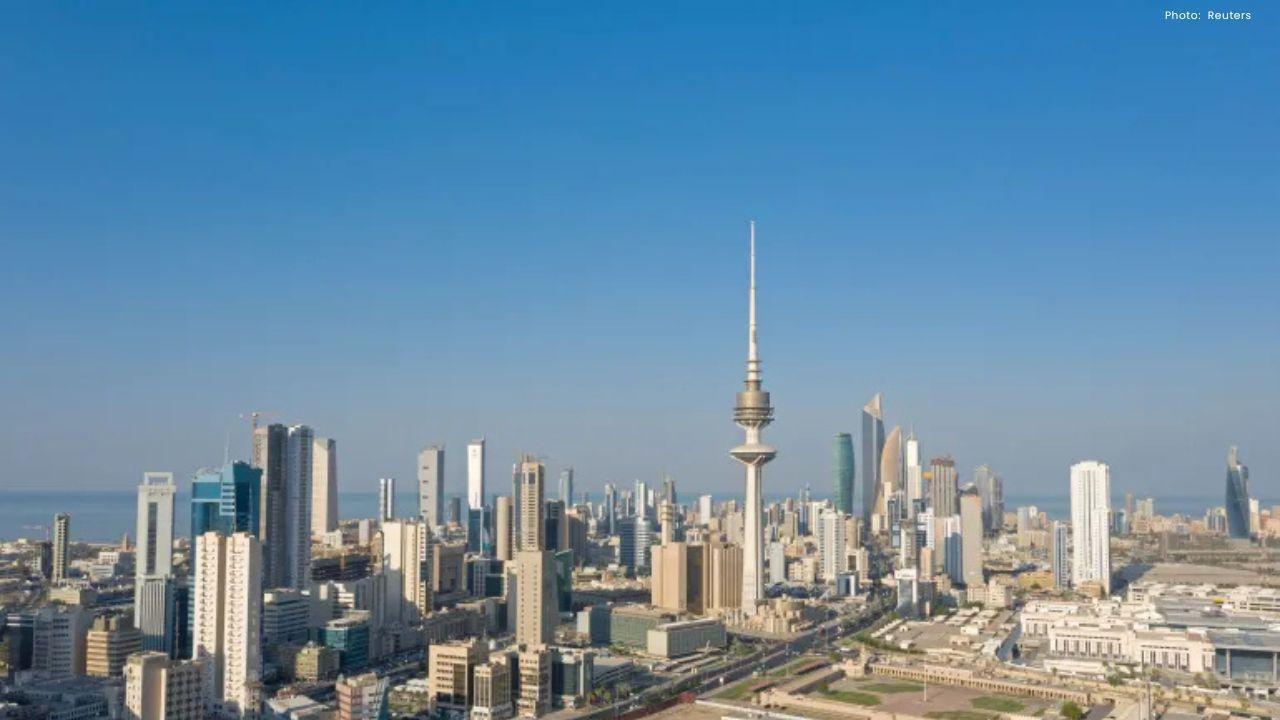
Gulf countries have voiced strong support for Kuwait after Iraq submitted new maritime boundary coordinates to the United Nations. Kuwait said that Iraq’s action threatened its control over parts of its maritime waters in the Persian Gulf, prompting a diplomatic dispute in the region.
The controversy began when Iraq sent a list of geographic coordinates and a map to the UN, outlining its claimed maritime zones. Kuwait protested, saying that the new coordinates included areas that have always belonged to Kuwait and were not disputed. These include small islands and marine features such as Fasht Al-Qaid and Fasht Al-Aij. Kuwait’s government argued that Iraq’s submission violated its sovereignty over these waters.
In response, several member states of the Gulf Cooperation Council — including Saudi Arabia, Qatar, the United Arab Emirates, Bahrain, and Oman — issued statements backing Kuwait’s position. They condemned Iraq’s action and urged all parties to respect Kuwait’s sovereign rights. The Gulf states also called for the matter to be addressed through dialogue and diplomatic channels, and in line with international law, especially the United Nations Convention on the Law of the Sea (UNCLOS) of 1982.
Saudi Arabia expressed serious concern that Iraq’s coordinates extended into an area known as the Saudi-Kuwaiti divided zone, where both Riyadh and Kuwait share natural resources under existing agreements. Saudi officials emphasized that any claims by another country to rights in that submerged area were unacceptable and that Kuwait’s territorial integrity must be upheld.
Qatar and the UAE also reaffirmed their support for Kuwait’s position. Qatar’s foreign ministry stressed that Iraq’s submission infringed on Kuwait’s sovereign rights over its maritime zones. The UAE called for discussions to proceed responsibly and to consider historical ties between Kuwait and Iraq, as well as principles of good neighborliness. Bahrain echoed these views, urging Baghdad to respect Kuwait’s rights and the history of cooperation between the two nations.
Oman’s foreign ministry added its voice, affirming its solidarity with Kuwait and urging Iraq to show respect for the historical and friendly relations between their peoples. Oman also called on all sides to follow international law and agreements when dealing with the boundary issue.
Iraq, for its part, defended its actions by saying the maritime coordinates were based on international law and accurately defined its jurisdiction at sea. Iraqi officials pointed out that Kuwait had also filed its own map with the UN years earlier, without consulting Baghdad. They emphasized their commitment to resolving any disputes through negotiation and respect for sovereignty.
The maritime boundary between Iraq and Kuwait has been a sensitive issue for many years, going back to the 1990-91 Gulf War when Iraq invaded Kuwait. Land borders were formally defined by a United Nations Security Council resolution in 1993, but maritime borders were left to be agreed between the two countries. Previous agreements, such as a 2012 deal on waterway navigation, were later challenged and even invalidated in Iraqi courts, adding to the complexity of the dispute.
The recent diplomatic push by Kuwait and the backing from fellow Gulf states highlight how territorial issues in the region can quickly gain broader support from neighboring countries. For Kuwait, the backing of the Gulf Cooperation Council reinforces its position and underscores the value of regional unity when facing challenges to its sovereignty.
As talks continue and both sides maintain their positions, resolving this maritime dispute peacefully and through legal means will be important for stability in the Gulf region.









DAE Achieves Remarkable Growth in Q1 2026 With Record Revenue
Dubai Aerospace Enterprise announces impressive financial results for Q1 2026, reflecting a surge in

Price Increase for Sony PS5 in Southeast Asia Effective May 1
Sony announces a price increase for the PS5 across Southeast Asia starting May 1, 2026, impacting ga

Potential ‘Super El Niño’ in 2026: Understanding the Climate Risks
Could a Super El Niño emerge in 2026? Discover its implications and potential global climate impacts

Global Energy Crisis Intensifies: Markets React to Oil Supply Challenges
Markets are on edge as oil disruptions escalate, influencing prices and economic stability. Explore

Must-See Tourist Spots in London You Can't Overlook
Explore London's essential attractions, from royal landmarks to vibrant markets, ensuring an unforge

Ultimate Guide to Snagging Cheap Flights in 2026
Unlock the secrets to booking affordable flights in 2026 with insightful tips and strategies tailore




