Post by : Saif Nasser
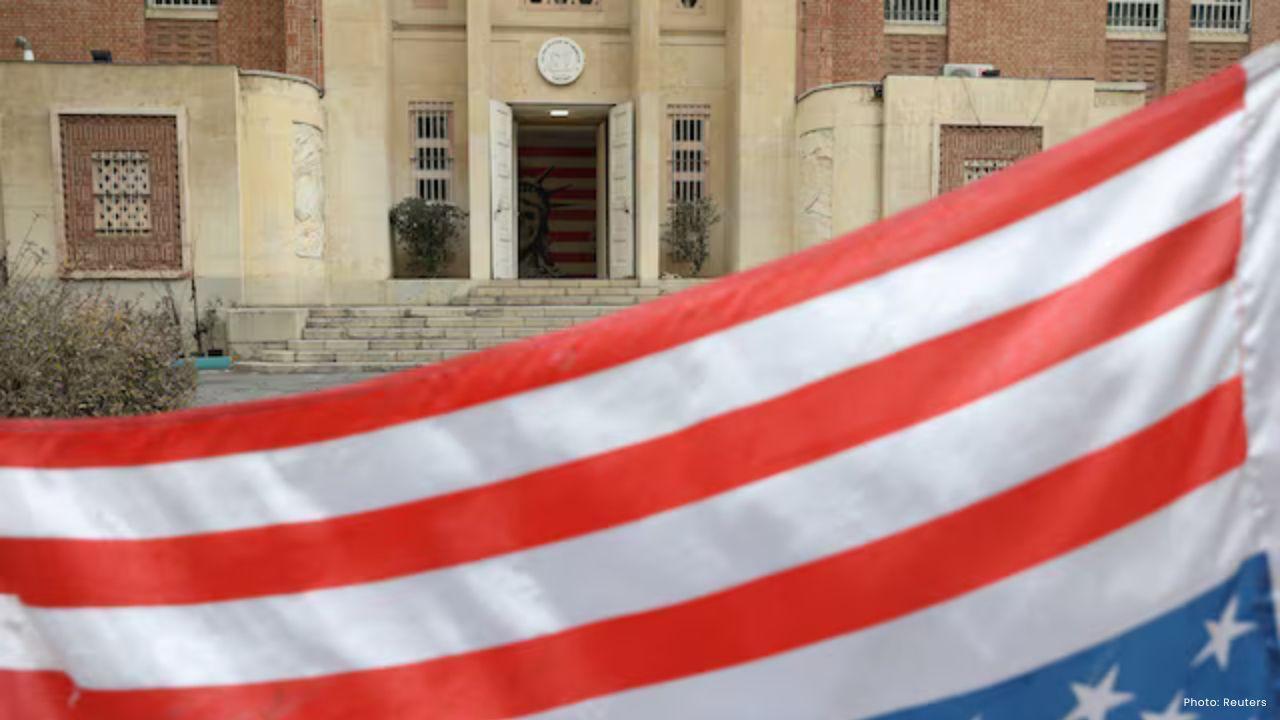
The United States military is preparing for the possibility of extended military operations against Iran if ordered by the president, according to reports from American officials. These preparations suggest that any future action may not be a short, one-time strike but could continue for several weeks. Such a campaign would carry serious risks for US forces and could increase the danger of a wider conflict across the Middle East.
Officials familiar with the planning say the preparations are more detailed than earlier strike missions. Military teams are studying scenarios that include repeated attacks, defensive responses, and protection of American bases in the region. This kind of planning usually includes troop movement, supply support, air cover, naval strength, and missile defense readiness.
At the same time, diplomatic efforts between Washington and Tehran are still active. Talks have taken place through regional partners in recent days, with the goal of restarting some form of nuclear understanding. However, progress has been slow and uncertain. Leaders on both sides continue to speak carefully, but also keep pressure high.
Recent military movements show that the United States is strengthening its presence in the Middle East. Additional naval forces, fighter aircraft, and support units are being positioned closer to possible conflict zones. Reports say another aircraft carrier group is being sent, along with guided-missile destroyers and thousands of extra troops. These forces can be used for both offensive strikes and defensive protection.
Government spokespeople say all options remain open. The president has stated publicly that reaching a deal with Iran has been difficult and that strong pressure may be required. The White House position is that national security decisions will be based on what leaders believe is best for the country, after hearing different views from advisers.
Defense officials have not released full details of the planning. However, sources say this time the plans are broader than last year’s limited strike on Iranian nuclear facilities. That earlier action was short and targeted. The new planning considers a longer period of operations and a wider set of possible targets connected to state and security infrastructure.
One major concern is retaliation. US officials say they fully expect Iran to respond if attacked. Iran has a large missile force and has warned that any strike on its territory would bring counterattacks on American military sites. The United States operates bases in several Middle Eastern countries, which increases exposure if conflict spreads.
Security experts warn that a longer campaign raises the risk level for everyone involved. Repeated strikes and counterstrikes can grow quickly and become harder to control. There is also danger to shipping routes, energy supplies, and civilian air travel in the region. Oil markets could react sharply, affecting prices worldwide.
Iran’s position remains firm on key points. Iranian leaders say they are ready to discuss limits on nuclear activity if economic sanctions are reduced or removed. But they have rejected linking those talks to their missile program. This disagreement continues to block a full agreement and keeps mistrust high.
Regional partners are also deeply involved. Close US allies want any future deal to include strong safety guarantees. They worry that partial agreements may not remove long-term threats. Because of this, diplomatic talks now carry not only two-country pressure but also regional expectations.
A drawn-out military operation would be very different from a single strike. It would cost more, last longer, and create more uncertainty. History shows that once a cycle of retaliation begins, it is difficult to stop quickly. Each side answers the other, and the conflict can widen step by step.
For now, both tracks — diplomacy and military readiness — are moving at the same time. Negotiators continue to talk, while armed forces prepare for worst-case outcomes. The direction taken in the coming weeks will shape security across the Middle East and influence global stability.







Reopening of the Strait of Hormuz: New Regulations to Impact Global Trade
Iran reopens the strategic Strait of Hormuz with new regulations affecting oil transport and global

Top 10 Must-See Attractions in NYC for First-Time Explorers
Discover essential experiences for first-time visitors to NYC, including attractions, culture, and i

Starbucks Engages Boyu Capital for Major Chinese Expansion
Starbucks teams up with Boyu Capital, selling a majority stake to boost growth and adapt to the Chin

Three Individuals Charged in Massive Meth Trafficking Case in Malaysia
In Malaysia, a married couple and another suspect are charged with trafficking 510kg of meth, facing

Singapore Police Revisit Geylang Murder Scene with Suspect
In Geylang, police return a murder suspect to the scene of a crime involving the fatal stabbing of a